


Twenty months after the dismantling of USAID, a new analysis documents what the international development agency’s disappearance has meant for conservation projects around the world.
Projects have stalled or collapsed in countries from Kenya to Bangladesh, reports Ashoka Mukpo. Wildlife patrols, forest monitoring, community conservation programs and environmental policy work have all been hit.
The report draws on interviews and surveys involving 150 people familiar with the agency’s work in Bangladesh, Peru, Kenya, Colombia and Vietnam. It was produced by One Earth Partners, a consultancy founded by former senior USAID officials Monica Bansal and Hadas Kushnir.
U.S. President Donald Trump’s dismantlement of USAID removed nearly $1 billion from global conservation and environment funding. USAID spent $366 million on biodiversity conservation and $257 million on climate adaptation in fiscal year 2024, plus hundreds of millions more on clean energy, natural climate solutions, ocean plastics and pollution.
The report traces what happened to some of that work after the agency was dismantled. USAID had trained officials in Colombia and Peru to use satellite data to monitor Amazon deforestation. It was a major supporter of anti-poaching and wildlife law enforcement at Mozambique’s Gorongosa National Park. In Bangladesh, nearly two decades of work had gone into helping communities develop nature-based tourism and negotiate revenue-sharing arrangements around protected areas.
Kenya was particularly hard hit. Daniel Sopia, who heads the Maasai Mara Wildlife Conservancies Association, told Mongabay that his organization lost a five-year, $6.5 million grant. He laid off 10 staff members and cut its budget by 72%. Plans for new conservancies that would have protected wildlife corridors were put on hold.
USAID had its critics, including conservation groups concerned about bureaucracy, high overhead costs and the demands placed on local partners. Some organizations have managed to replace the lost money with funding from other government sources and private philanthropy.
Others are still looking. One Earth Partners published a list of 100 former USAID-supported projects seeking new funders.
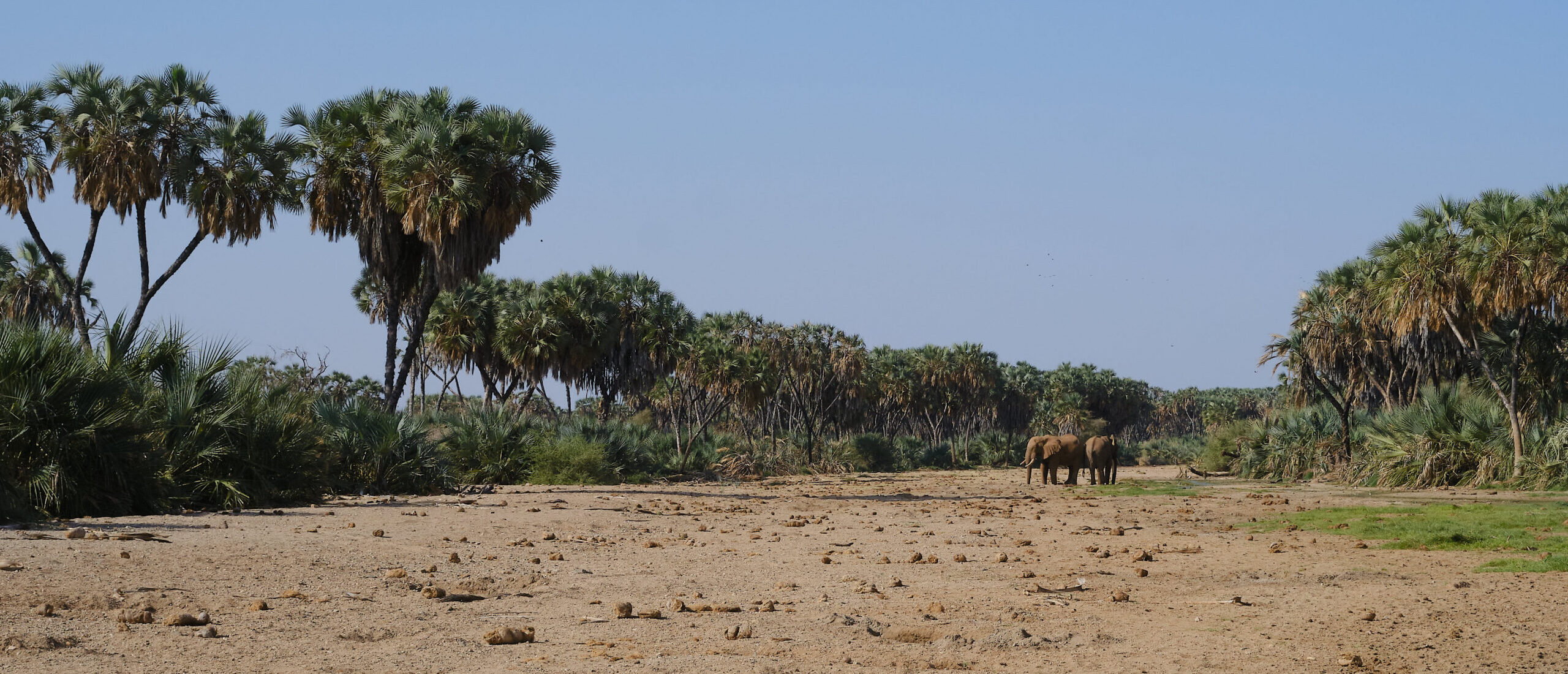
Banner image: Savannah elephants in the Biliquo Bulesa conservancy in northern Kenya. Image by Ashoka Mukpo/Mongabay.

