


H5N1 avian influenza is spreading rapidly across southeastern Australia owing to infected wild bird species, including little penguins, magpies, crested terns and pelicans.
Bird aggregations during breeding seasons will likely accelerate transmission to mammals, said Victoria’s chief biodiversity officer James Todd.
In late August, H5N1 jumped to a mammal, a red fox (Vulpes vulpes), in Adelaide, South Australia.
Acting chief veterinary officer Cameron Bell said that while wild foxes generally do not spread the virus directly, scavenging pests risk moving infected carcasses across habitats, according to media reports.
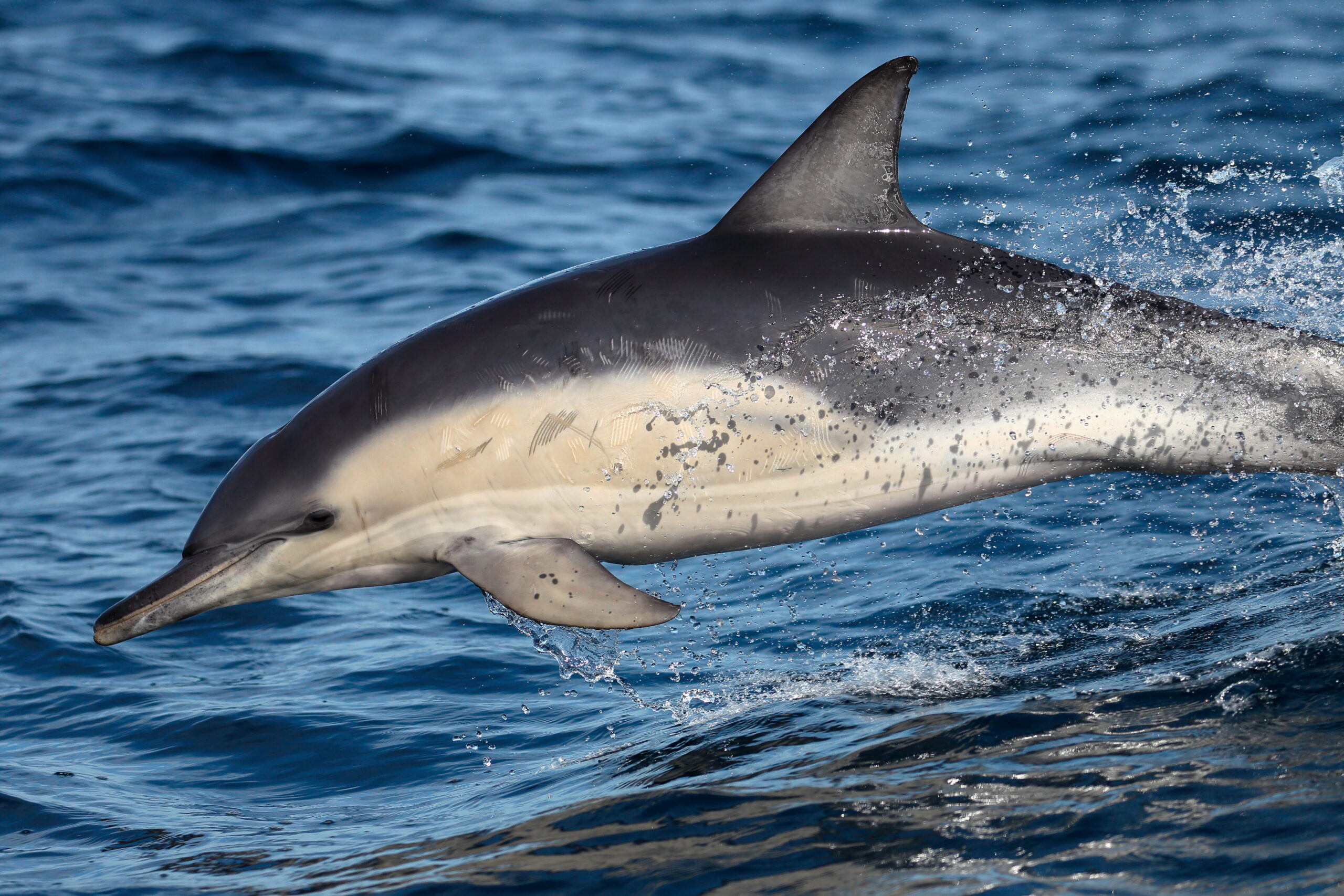
In September, state authorities confirmed H5N1 in an Australian sea lion (Neophoca cinerea) and a common dolphin (Delphinus delphis). South Australian Environment Minister Emily Bourke said that the sea lion — a critically endangered species currently declining by 2% a year — was recovering from a shark attack when it succumbed to the virus, reports ABC Australia.
Cetacean researcher Mike Bossley is concerned about how quickly a dolphin contracted the disease. In a news report, he called it both “shocking … and very worrying.”
Bourke added that South Australia has recorded bird flu in another mammal species, long-nosed fur seals (Arctocephalus forsteri) and confirmed the nation’s first pelican case on the Yorke Peninsula.
“The first confirmed H5N1 death recorded for [the Australian sea lion] in Australia marks a significant and worrying moment for Australian wildlife,” Bill Bateman, associate professor of behavioral ecology at Curtin University, Australia, wrote in The Conversation. He added that the evolving H5N1 strain can invade a mammal’s central nervous system, causing severe brain inflammation.
The way marine mammals contract the virus is likely from birds, Bateman wrote. Sick or dead seabirds can infect coastal breeding grounds, he added, either when animals eat them or come into contact with bodily fluids or contaminated water and substrate.
While there’s no “real way” to stop the spread of H5N1 now that it’s here, Bateman noted that there are ways to reduce its impact. There is a way to limit exposure, he said. “Removing carcasses safely is crucial, as it removes these viral reservoirs, and stops it getting into Australia’s many scavenging animals.”
Along South Australia’s Fleurieu Peninsula, volunteers with the Victor Harbor Dolphin Watch Group are on the lookout for dolphins exhibiting abnormal swimming or neurological symptoms.
Bateman said the burden of the bird flu will reach far beyond birds, “This strain of the virus is a wide-ranging threat able to affect entire ecosystems. We must do what we can to protect them.”
Banner image of a common dolphin (Delphinus delphis) spotted off a port in the state of Victoria. Image courtesy of Ed Dunens via Wikimedia Commons (CC BY 2.0).
