


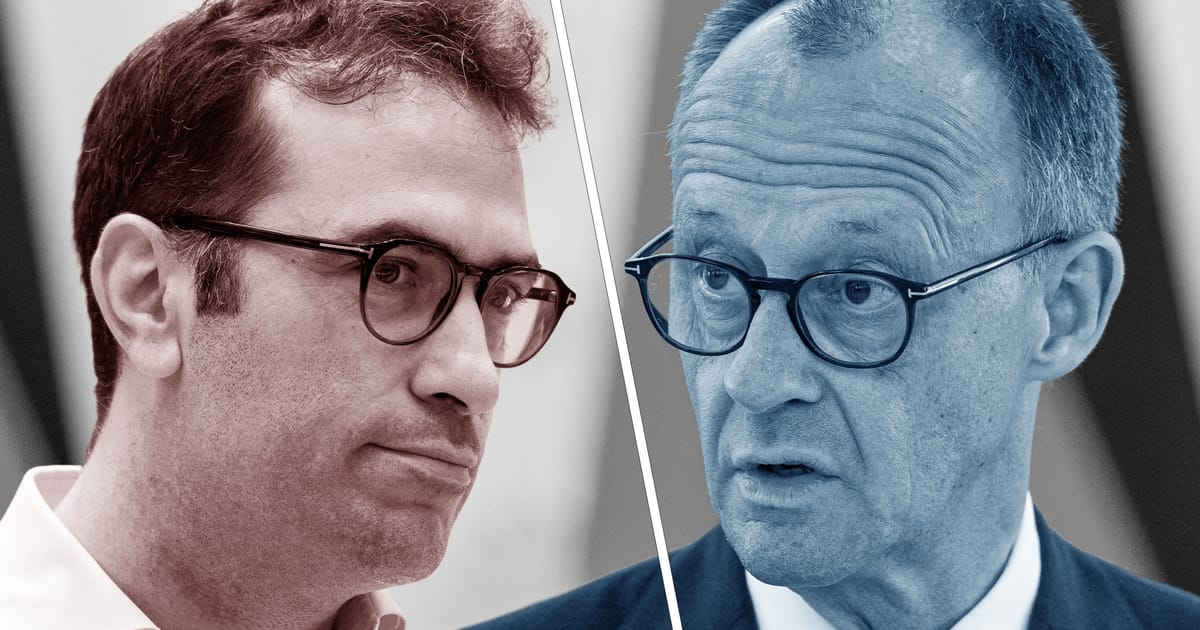
They are pressuring Ireland, in its position at the helm of the six-month rotating presidency of the Council of the EU, which is steering the talks, to cut hundreds of billions of euros in their next negotiating document due in October.
Officials involved in the negotiations who spoke to POLITICO and were granted anonymity because the discussions are confidential see more moderate cuts as the most likely outcome.
Debt time bomb
The EU’s seven-year budget, the multiannual financial framework, which governs EU spending from farmers’ subsidies to student exchange programs, is the subject of some of the fiercest negotiations in Brussels and pits different groups of countries against one another.
To try to bring their positions closer together, European Council President António Costa toured 25 EU countries in the past month to sound out leaders on the most sensitive questions facing the negotiations. He continued the trip in Dublin on Thursday.
In his bid to free up more budget funding, Cuerpo said he wants to delay repayment of joint debt issued in 2021 to tackle the economic fallout from the Covid-19 pandemic.
Around €300 billion must be repaid from 2028 to 2058. While interest repayments are set in stone, governments have more leeway to set the timeline for repaying the principal.
The current plan compels EU governments to front-load repayments and cough up €25 billion a year over the next budget cycle. Critics say this limits the funds available for other areas of spending and further constrains negotiations.
