


- More than 100 organizations have signed the Nairobi Flyways Declaration, pledging to integrate conservation of migratory birds’ intercontinental routes into development planning and finance.
- The declaration marked the end of the Global Flyways Summit, organized by BirdLife International in Nairobi from Sept. 8-11, with the organization’s CEO saying pledges from multilateral finance institutions signal a shift toward incorporating biodiversity into the mainstream of development decisions.
- BirdLife also presented the latest edition of its quadrennial “State of the World’s Birds” report at the summit, reporting that 45% of migratory bird species are declining, while about one in nine faces the threat of extinction.
NAIROBI — The decline of many migratory bird populations is a red flag that ecosystems around the world are under increasing pressure, conservation experts warn, adding it’s time for governments to come together and coordinate conservation efforts across national borders.
Representatives from governments, conservation agencies, NGOs, financial institutions, and donors gathered in Nairobi from Sept. 8-11 for the Global Flyways Summit, hosted by BirdLife International in collaboration with Nature Kenya to address the growing threats facing migratory birds and the habitats they depend on.
BirdLife presented the latest edition of its quadrennial “State of the World’s Birds” report, which reported that 45% of migratory bird species are declining, while about one in nine faces the threat of extinction. Shorebirds and seabirds were identified as among the groups experiencing particularly severe declines.

The conservation organization said the main pressures include loss of habitat, agriculture, hunting, pollution, and climate change.
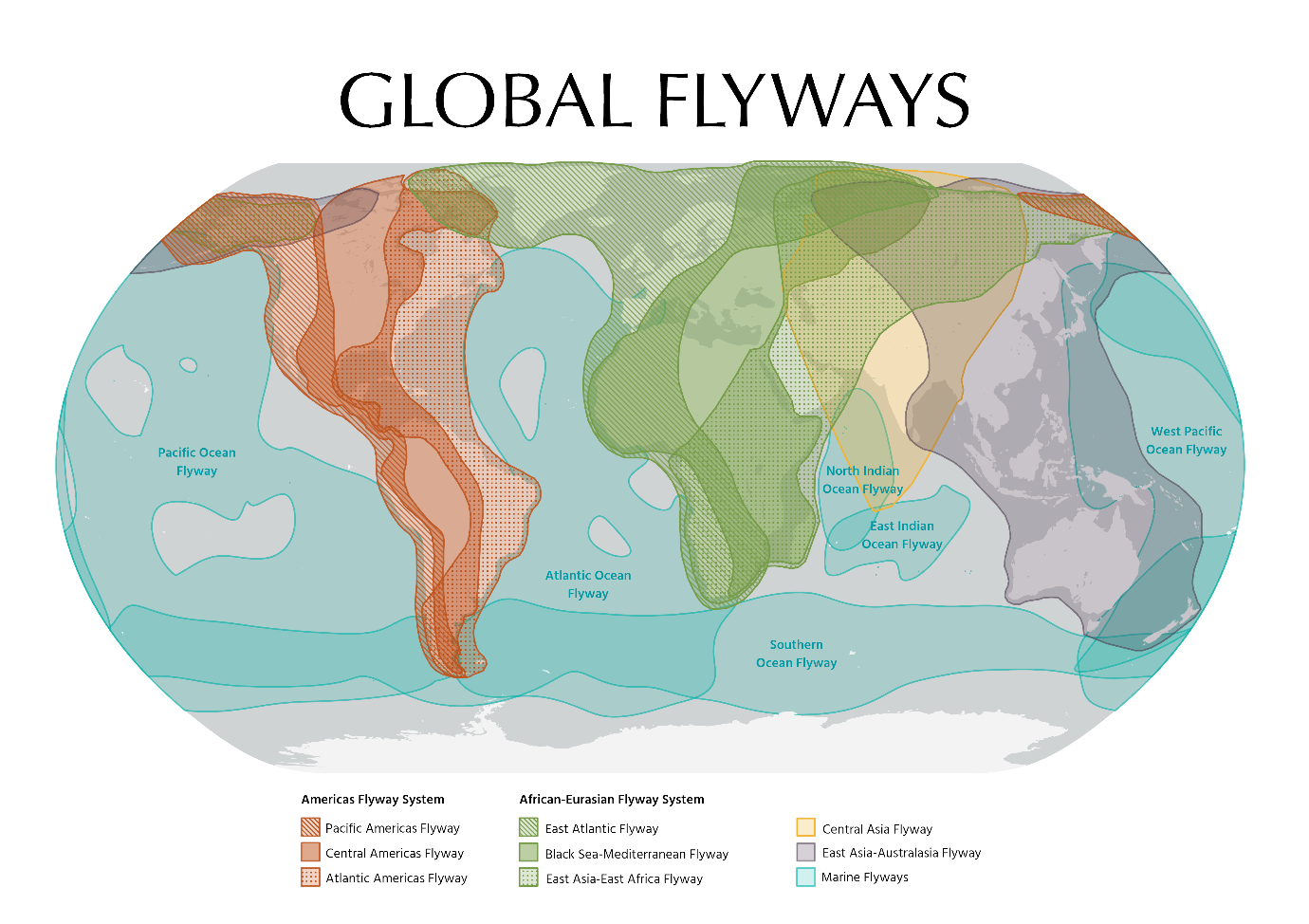
Stuart Butchart, BirdLife International’s chief scientist, said these threats cannot be addressed effectively in individual countries because migrating birds depend on interconnected habitats that span countries and continents. A bird may breed in one country, but spend the nonbreeding season thousands of kilometers away, depending on several stopover sites during its annual journeys between sites.
“Migratory birds are sentinels, and their declines reveal growing pressure on the natural systems that sustain us,” Butchart told the summit. “But the science is equally clear: conservation works, with coordinated action preventing extinctions and helping populations recover. The solutions exist: what is needed now is their implementation at flyway scale.”
As the summit concluded, more than 100 organizations signed the Nairobi Flyways Declaration, pledging to integrate flyway conservation into development planning and finance.
The Asian Development Bank has committed to mobilizing $3 billion over the next decade to protect at least 50 priority wetlands along the East Asian–Australasian Flyway, benefiting ecosystems on which nearly 200 million people depend. In the Americas, the Development Bank of Latin America and the Caribbean said it would raise between $3 billion and $5 billion through 2050 to safeguard more than 30 landscapes and seascapes. The World Bank and BirdLife are also working to mobilize several billion dollars across Africa, Europe, and Asia.
“We’re very interested in flyways because the global value of international birding as part of the tourism sector is worth $70 billion,” Valerie Hickey, the World Bank’s director for environment, told Mongabay in an interview. “And we want to make sure that the men and women, the families, who call places home that are also home to some of these migrating birds can take advantage of that tourism economy.”
She said just 5% of international tourist arrivals are in Africa currently, and less than 1% of global tourist spend. “We think it can be much more, in particular in wildlife-based tourism, nature-based tourism. And that includes people who want to come spend a lot of money watching birds.”

BirdLife International’s CEO, Martin Harper, said the new “State of the World’s Birds” report highlighted the scale of the challenge, but added he’s encouraged by the fact that more than 100 organizations signed on to the flyways declaration.
“It takes a huge global community to deliver this wild ambition of a network of sites, well protected, across each of the great flyways of the world, so that our migratory birds can fly free from harm,” he told Mongabay in an interview. “So that show of commitment from a hundred organizations, representing a hundred countries, I think, shows that we’re building a movement which will hopefully turn things around.”
He also pointed to the work that multilateral development banks are doing to mobilize and direct investment to protect flyways around the world. “They’re not necessarily new commitments, but what we heard today was about the progress that each of them are making. They were talking about real projects where they’re moving money into places to transform them for people and for nature.”
Harper said the involvement of development banks marks an important shift from treating bird conservation as a narrowly environmental issue to incorporating biodiversity into mainstream economic and development decisions.
The summit ultimately underscored a broader message: protecting migratory birds is not only about conserving individual species. It requires coordinated action across borders to protect the interconnected ecosystems that sustain wildlife, communities, and economies.
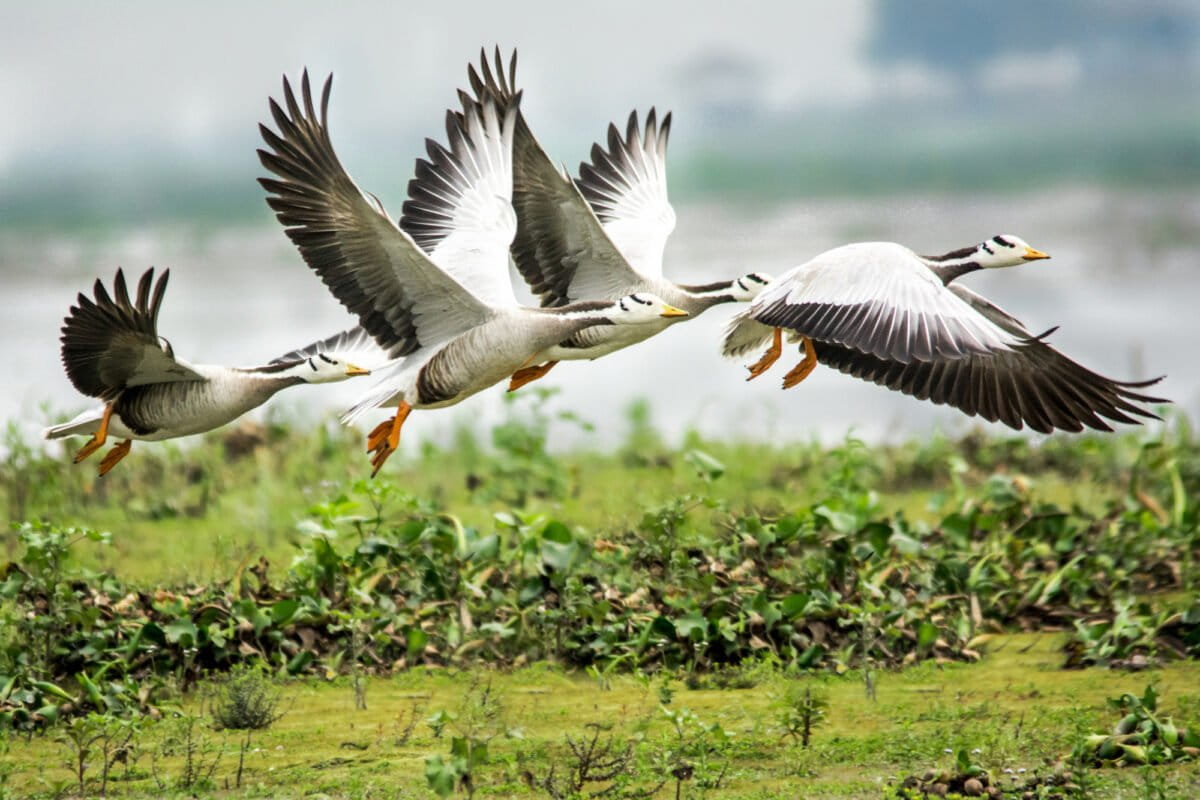
Banner image: Bar-headed geese (Anser indicus) migrate between Mongolia and Central Asia, and non-breeding sites in India and Bangladesh. While the IUCN currently deems the species of least concern, BirdLife notes that its population is shrinking rapidly due to over-hunting, unsustainable levels of egg collecting and loss of habitat. Image © Nejib Ahmed/Shutterstock.
Reconnecting the skies: Linking flyways for migratory seabirds across continents
World Heritage status for South Sudan parks will be a boon for the birds
‘Trophies’ shared on social media reveal scale of mass bird slaughter in Lebanon
Feedback: Use this form to send a message to the author of this post. If you want to post a public comment, you can do that at the bottom of the page.

