


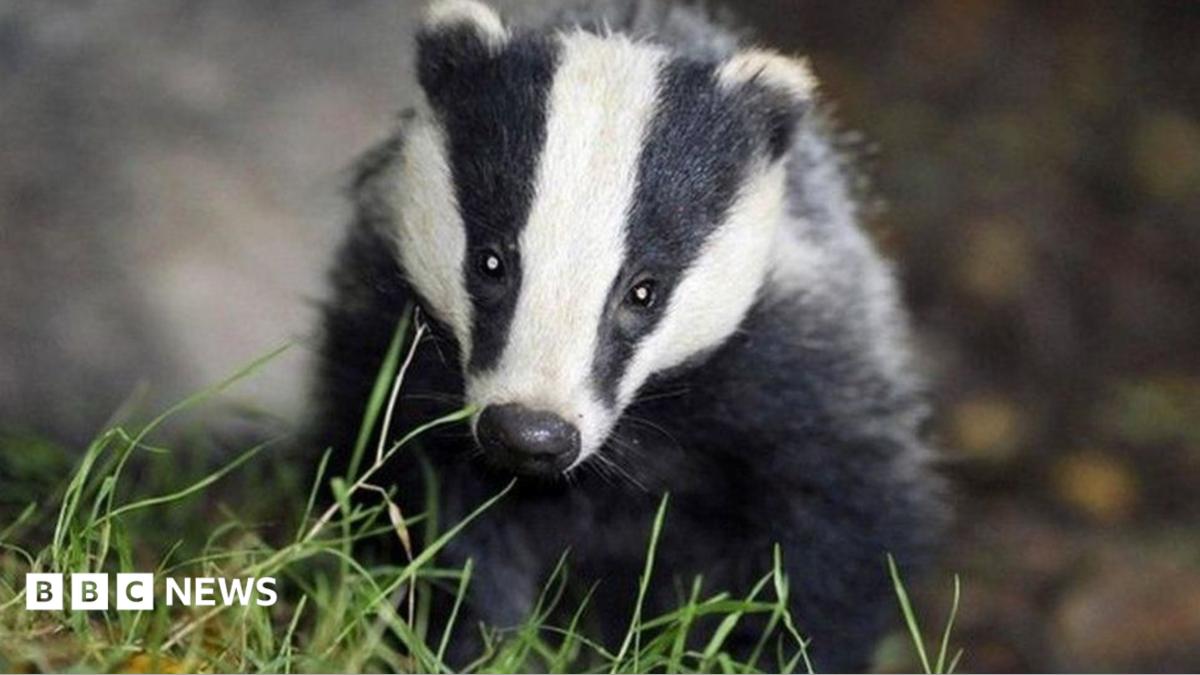
The call for more monitoring comes in a new policy briefing by researchers.
They are calling for increased monitoring of the vaccination’s impact, a review of the evidence, and collaboration with farmers “to ensure the greatest possible impact” from the programmes.
In their policy briefing, they say “major questions remain about how many badgers are being vaccinated, what impact vaccinating badgers is having on disease levels in cattle, and how confidence in vaccination can be improved among farmers and veterinary professionals”.
Dr Niall McKeown, a lecturer in the department of life sciences at Aberystwyth University and vice-chair of the British Ecological Society’s Wales policy group, said the infection “remains one of the biggest animal health challenges facing Wales”.
“Badger vaccination should not be presented as a stand-alone route to eradicating bovine tuberculosis,” said McKeown.
“There is strong evidence that BCG vaccination protects badgers, but evidence that operational vaccination programmes reduce disease in cattle remains limited.
“Any cattle-level benefit is likely to depend on sustained and sufficiently extensive vaccination coverage alongside effective cattle controls.”
He emphasised it was not simply more vaccination that was needed “but vaccination that is better targeted, measured and evaluated”.
“By combining non-invasive genetic monitoring with sett surveys, camera traps and movement data, we can estimate local badger numbers, check the proportion of the population reached and identify significant gaps,” he added.
