


- The Cali Fund, established to channel companies’ contributions from the use of digital genetic data back to the countries and communities of origin, has received just $6,000 from two companies since its launch in February 2025 — far short of the $1 billion a year it was expected to raise.
- “Nobody knows about the fund,” said Astrid Schomaker, executive secretary of the U.N. Convention on Biological Diversity, citing low awareness, a limited operational framework, and the reluctance of large companies to make the first move.
- Experts also flagged limited recognition of the fund’s compliance certificates by countries, and concerns over a memorandum of understanding that uses “donor” language.
- Governments are expected to address these issues at the next U.N. biodiversity summit, in Yerevan, Armenia, in October.
NAIROBI — On Nov. 19, 2025, a small U.K.-based artificial intelligence startup called TierraViva AI transferred $1,000 to a United Nations trust account. It was the first payment ever received by the Cali Fund, a mechanism created at the U.N. biodiversity summit a year earlier in Cali, Colombia.
The fund’s objective appears straightforward: to get companies that benefit from “digital sequence information” — the policy term for digitized genetic information from biodiversity from around the world — to share some of those benefits with the countries that host that biodiversity and the Indigenous peoples and local communities who protect it.
The Cali Fund formally opened for contributions on Feb. 25, 2025. As of August, this year, it had two confirmed contributions totaling $6,000. That’s far short of the $1 billion a year that the fund was expected to mobilize.
TierraViva’s chief executive told Carbon Brief that the payment was an “ice-breaker,” intended to encourage other companies “who may be hesitating.” A second company, U.S. biotech firm Ginkgo Bioworks, had announced its intention to contribute earlier in the year but had not yet transferred any money. In July, another U,K-based company, biotech firm Prozomix, contributed $5,000 to the fund (though per current rules, it did not have to).
“Nobody knows about the fund,” Astrid Schomaker, executive secretary of the U.N. Convention on Biological Diversity (CBD), told Mongabay in an interview at the U.N. Environment Programme headquarters in Nairobi, where negotiators gathered in late July and August for preparatory meetings ahead of this year’s biodiversity summit in Armenia in October.
“There’s a really big novelty challenge, because it’s a fascinating new mechanism, but it’s a brand-new instrument, and hardly anybody heard about it,” Schomaker said.
The Cali Fund was established to address a problem that had stalled biodiversity negotiations for years. Companies in the pharmaceuticals, cosmetics, agriculture, and biotechnology industries have routinely use digital sequence information, or DSI, the genetic code of plants, animals and microbes, downloaded from public databases.
Genetic sequence data is typically uploaded to these databases without information about the national laws of the country where the organism was collected.
At the Cali biodiversity summit in 2024, a proposal was passed under which companies meeting certain size thresholds — at least $20 million in assets, $50 million in sales, or $5 million in profit — would contribute at an indicative rate of 0.1% of revenue or 1% of profit.
At least half of the money raised would go toward Indigenous peoples and local communities. The proposal, known as Decision 16/2, also left open the possibility of direct payments through institutions chosen by the communities themselves, rather than requiring funds to flow only through governments.
Schomaker pointed to several reasons for the slow start: The CBD Secretariat is running the fund’s interim operations without dedicated staff. Governments were invited, but not required, to promote the mechanism. And large companies have been reluctant to become the first major contributors.
“If you are the first contributor, you go to your shareholders and say, ‘There’s this new Cali Fund, I want to invest 20 million,’” she said. “And your shareholders say, ‘20 million? Where’s the money going to go?’ I cannot say, because there are so many things that are open.”
Schomaker described the current contributors as small startups outside the fund’s intended scope of large companies. She said she expects a “snowball effect” once bigger firms begin contributing.
“The fund opened in February 2025. If you look at comparable financial instruments, the first year, the first two, sometimes the first three years, all these funds were slow before they took off,” she said.
For some people involved in designing the mechanism, however, the problem is about more than just awareness. Aleksei Tsykarev, an Indigenous peoples’ representative on the Cali Fund’s Steering Committee, described an institution that’s still building much of its own architecture nearly two years after governments agreed to create it.
An operations manual, terms of reference, a review methodology, and a certification system for contributing companies are still being drafted.
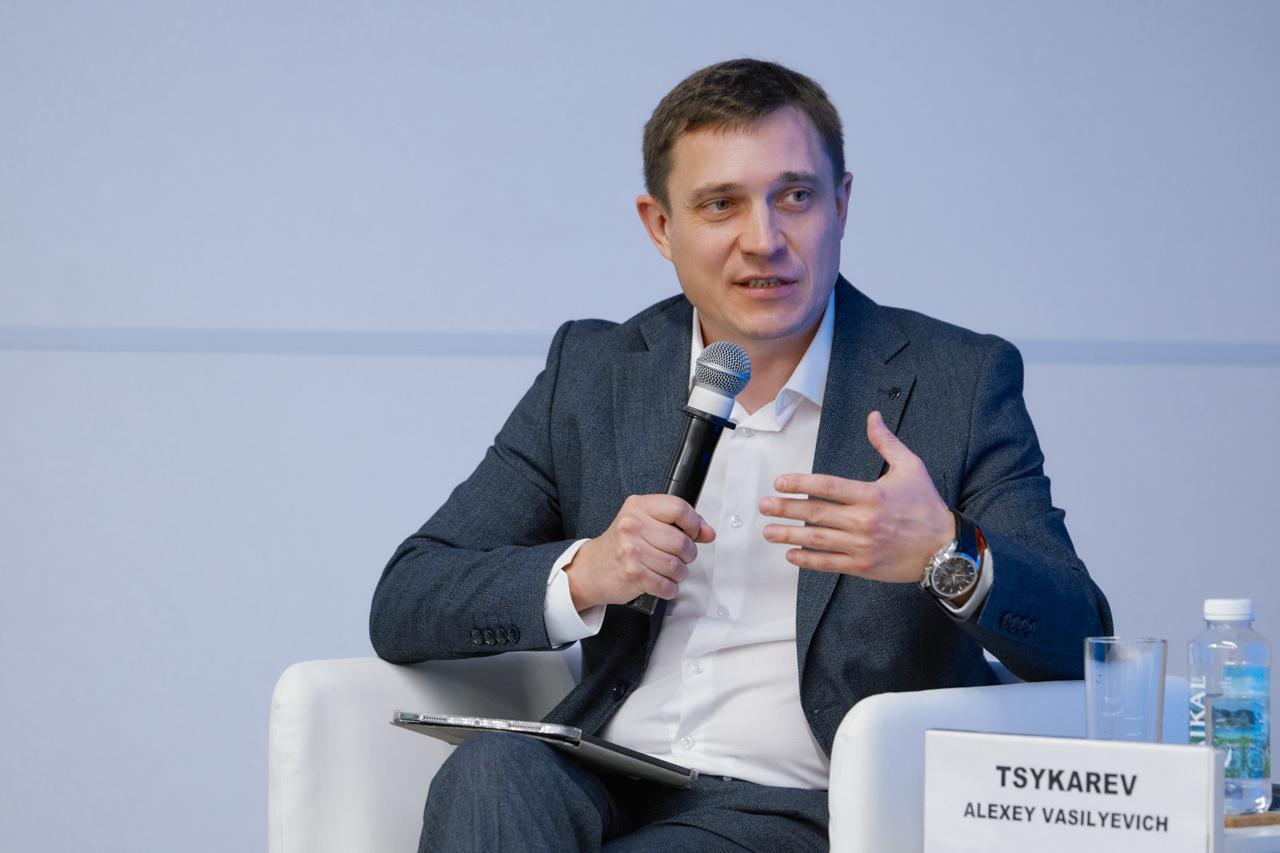
“There is still a lack of information about the Cali Fund, the DSI, benefit sharing in general,” Tsykarev said. Companies “do not have the clarity how these contributions would actually make a difference in terms of implementation of the convention.”
Trust needs to be built on both sides, he said.
Companies want to know what they receive in return for contributing. Indigenous peoples and beneficiary countries want assurances that the fund will not be shaped by politics.
“We need to build trust among the industries, we need to build trust among other stakeholders and rights holders, and then, little by little, when we receive more and more contributions, the critical mass of companies will believe in this fund,” Tsykarev said.
In some cases, countries are working through bilateral agreements and seeking more than just monetary recompense for the extraction of genetic data from within their national borders.
Authorities in Malawi, for example, partnered with Basecamp Research, a U.K.-based AI and biotech company that’s creating a genomic database to discover new drugs and develop treatments. The company’s agreement with Malawi includes nonfinancial rewards from use of genetic resources. Announced in June 2025, the partnership includes the Malawi Environment Protection Authority (MEPA), the Department of National Parks and Wildlife, and the Malawi University of Science and Technology.
Speaking at a biodiversity meeting in Nairobi, Davies Chogawana, a biodiversity conservation manager at MEPA, said Malawi’s approach to access and benefit-sharing prioritizes technology transfer, scientific training and collaborative research over traditional financial payouts.
Chogawana linked the country’s experience to the broader DSI debate, noting that the rise of digital genetic data is changing how resources are accessed and commercialized, challenging benefit-sharing systems to keep pace.
Tsykarev, for his part, highlighted another way the Cali Fund could help in changing the status quo. “Many countries, including in the Global South, consider contributions to the fund as a prerequisite for working with these companies on their markets,” he said. That could turn a voluntary payment into an unofficial condition of market access even before the rules are resolved at the upcoming biodiversity summit in Armenia.
Nithin Ramakrishnan, a senior researcher at the Third World Network who has closely examined the fund’s governing documents, identified another structural problem.
Companies that contribute to the fund receive a certificate intended to demonstrate compliance with national access and benefit-sharing laws. But almost no country has passed legislation recognizing such a certificate.

“If countries and governments have not so far made a national legislation or a notification that they recognize the Cali Fund certificate, there is no guarantee to the company that putting money into the fund gives them this exemption,” Ramakrishnan said.
Governments for their part appear to be wary of recognizing Cali Fund certificates. “Countries are afraid that if we start recognizing the Cali Fund, their citizens will question whether they are actually regularizing this illegal export of data extraction from their country,” Ramakrishnan said.
He also raised concerns about a memorandum of understanding signed by the fund’s administrative partners — the Multi-Partner Trust Fund Office, the CBD Secretariat, UNEP, and the U.N. Development Programme — after the Cali decision was adopted. He said the document uses the term “donor” in ways that the original Decision 16/2 deliberately avoided. Governments in Cali had explicitly rejected framing company payments as donations.
Ramakrishnan warned that large companies with “significant, powerful legal teams” could use donor language to claim oversight rights over how the fund spends its money, including access to audit records. He called for the memorandum to be amended before the Armenia meeting to close that opening.
Anita de Horde, executive director of the Finance for Biodiversity Foundation and an observer on the Cali Fund’s Steering Committee, offered a less alarmed assessment.
She said many companies her organization works with, which includes some large pharmaceutical and biotechnology companies that would qualify as contributors to the Cali Fund, support the goals of the Kunming-Montreal Global Biodiversity Framework but simply have not heard of the Cali Fund. The framework is an agreement reached in 2022 under the CBD that aims to stop and reverse nature loss by 2030. One of its goals is the “fair and equitable” sharing of benefits that result from the use of genetic resources.
“We see it as a transition period,” de Horde wrote in an email to Mongabay, “rather than framing the issue as a lack of commitment.”
Her foundation is preparing investor guidance on digital sequence information, due to launch around the time of the Armenia summit. The guidance is intended to help investors press companies in their portfolios to engage with the mechanism

“Continued efforts to strengthen transparency, communicate the fund’s impact, and provide clarity on expectations can help build confidence among potential contributors.”
But de Horde also warned that limited contributions could become a problem in their own right. If contributions remain limited, she said, “the fund’s ability to mobilize resources and demonstrate its potential impact could be constrained.”
That could weaken the broader case that investors and companies need to make for further private finance for nature.
For June Rubis, an Indigenous peoples’ representative from Asia involved in the negotiations, the shortfall has a more direct significance. Decision 16/2 commits at least half of the fund’s resources to the self-identified priorities of Indigenous peoples and local communities.
Rubis described that provision as a shift toward genuine agency rather than simply providing funding. “The 50% commitment only becomes meaningful when there are sufficient resources to share,” Rubis said. “So, the slow pace of contributions is a real concern.”
She cautioned, however, against judging the fund only by its current balance. The institutional arrangements needed to make direct access to communities work, rather than routing money only through governments, are still being developed.
“Institutional development cannot become a substitute for capitalization. We need both,” Rubis said, adding the eventual test will be how the money moves and who gets to decide how it’s spent.
“If that happens, then the fund will be doing more than transferring finance. It will be helping to shift who gets to decide.”
Schomaker was careful not to set a numeric target for the Armenia summit, known as COP17, which opens on Oct. 19 in Yerevan. She said what she wants instead is for companies to engage with the process.
“It’s frankly not good enough for a company to say, ‘We have many questions,’ and [then] just sit there and wait,” she said. “Maybe if you think it’s too new for you, make a gesture and start paying, and increase over time.”
Governments will use the Yerevan meeting to try to resolve several outstanding issues.
These include the indicative contribution rates, an allocation methodology that would allow companies to explain to shareholders where their money goes, and potentially new arrangements for companies that use genetic data for only part of their business.
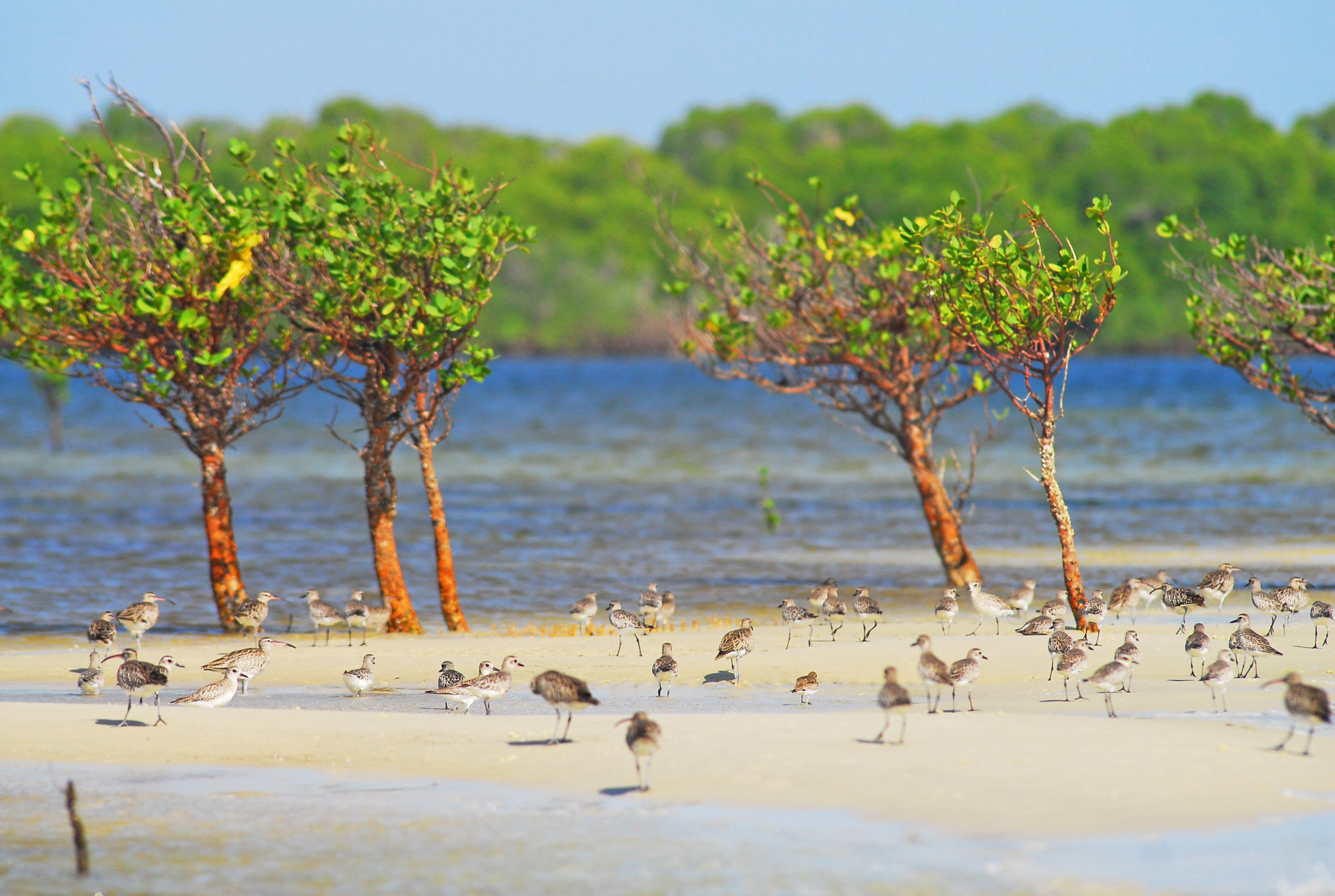
Banner image: Mangroves and shorebirds in the Lamu area of Kenya. Image by GRID-Arendal/Peter Prokosch via Flickr (CC BY-NC-SA 2.0).
Thermal drones deployed in Kenya’s Amboseli Park to tackle human-elephant conflict
Feedback: Use this form to send a message to the author of this post. If you want to post a public comment, you can do that at the bottom of the page.
Cite this article
Mactilda Mbenywe (2026). UN fund for sharing biodiversity benefits struggles for attention — and money. Mongabay Conservation news. DOI: https://doi.org/10.66709/news-328108

