

Close Menu
NCIJ Network NCIJ Network
    What's Hot

    How to tell if your AI platforms’ accounts have been hacked

    August 15, 2026

    Tokenized Stocks Reach 1.3M Holders as Volume Surges

    August 15, 2026

    When gut microbes run low on fiber, they may start eating you

    August 15, 2026
    Facebook X (Twitter) Instagram
    Trending
    • How to tell if your AI platforms’ accounts have been hacked
    • Tokenized Stocks Reach 1.3M Holders as Volume Surges
    • When gut microbes run low on fiber, they may start eating you
    • ‘A Transição Energética Não Pode Se Tornar Uma Nova Forma de Violência Colonial,’ Dizem Lideranças Indígenas Brasileiras Às Nações Unidas
    • Erdogan says Egypt could join Turkiye-Saudi-Pakistan defence pact | Al Jazeera News
    • I used OpenFactory to build my own Linux distro overnight – this AI tool is going to be big
    • Bitcoin $1M By 2030 Is ‘Mathematically Impossible’ Says Markus Thielen
    • John Salehe helped shape Tanzania’s community conservation movement
    • About
      • Our Team
      • Editorial Policy
      • Editorial Independence
      • International Support
    • Trust & Standards
      • AI Usage Policy
      • Conflict of Interest Policy
      • Corrections Policy
      • Ethics Policy
      • Fact-Checking Policy
      • Source Protection
    • Get Involved
      • Guide for Sources
      • Support Independent Journalism
    • Legal
      • Cookie Policy
      • Privacy Policy
      • Terms of Use
    Facebook X (Twitter) Instagram
    NCIJ Network NCIJ Network
    Saturday, August 15
    • Home
    • World
    • Ai
    • Business
    • Politics
    • Health
    • Crypto
    • Science
    • Technology
    • Cybersecurity
    • Defense & Security
    • Economy
    • Energy
    • Europe
    • More
      • Fact Check
      • Investigations
      • Opinion & Analysis
      • Environment
    NCIJ Network NCIJ Network
    Home»Environment

    John Salehe helped shape Tanzania’s community conservation movement

    NCIJ NETWNCIJ NETWORKBy NCIJ NETWNCIJ NETWORKAugust 15, 2026 Environment No Comments3 Mins Read
    Share
    Facebook Twitter LinkedIn Pinterest Email

    For wildlife moving between Lake Manyara and Tarangire, a line on a map was never enough. Elephants, wildebeest, and other animals crossed land used by pastoralists and farmers, where roads, cultivation, and settlements were expanding. Keeping such routes open meant persuading people who lived there that wildlife had a place in their future. It meant dealing with livestock killed by predators, arguments over revenue, and the tedious business of local institutions.

    John Gospel Yonazi Salehe, who died on June 19th aged 71, spent much of his working life on such problems. A Tanzanian forester by training, he worked for the government, FAO, UNDP, WWF, and, eventually, the African Wildlife Foundation, where he became Tanzania country director. His career stretched for more than four decades and across forests, wildlife areas, and development projects in East Africa.

    Salehe’s conservation was practical and strongly social. In the Maasai Steppe he worked to protect wildlife corridors and strengthen community-run Wildlife Management Areas. He wanted the benefits from conservation to reach households, and supported measures such as predator-proof livestock enclosures and compensation for losses to wildlife. Communities were not an audience for conservation after the important decisions had been made. They were part of how it was supposed to work.

    The same thinking shaped his work on forests. In central Tanzania, where charcoal production and farming put pressure on woodland, he argued that restrictions had to be accompanied by viable livelihoods. Higher agricultural productivity, land-use planning, and secure tenure could reduce pressure on forests, he believed. Researchers who later examined one REDD project in Kondoa challenged some of its claims of success. Salehe’s underlying proposition was clear enough: conservation would endure only if it made economic and institutional sense to the people living with it.

    This required patience. Wildlife Management Areas brought disagreements over money, investors, expectations, and authority. The work was administrative as much as ecological, and progress could depend on arrangements few outsiders ever saw. Salehe seems to have been unusually comfortable in that territory. His approach rested on partnerships among communities, government, businesses, NGOs, and donors. A filmmaker who interviewed him in 2014 found him “incredibly accommodating” and “quite the character.” Colleagues later recalled his integrity, humor, humility, and willingness to mentor younger conservationists.

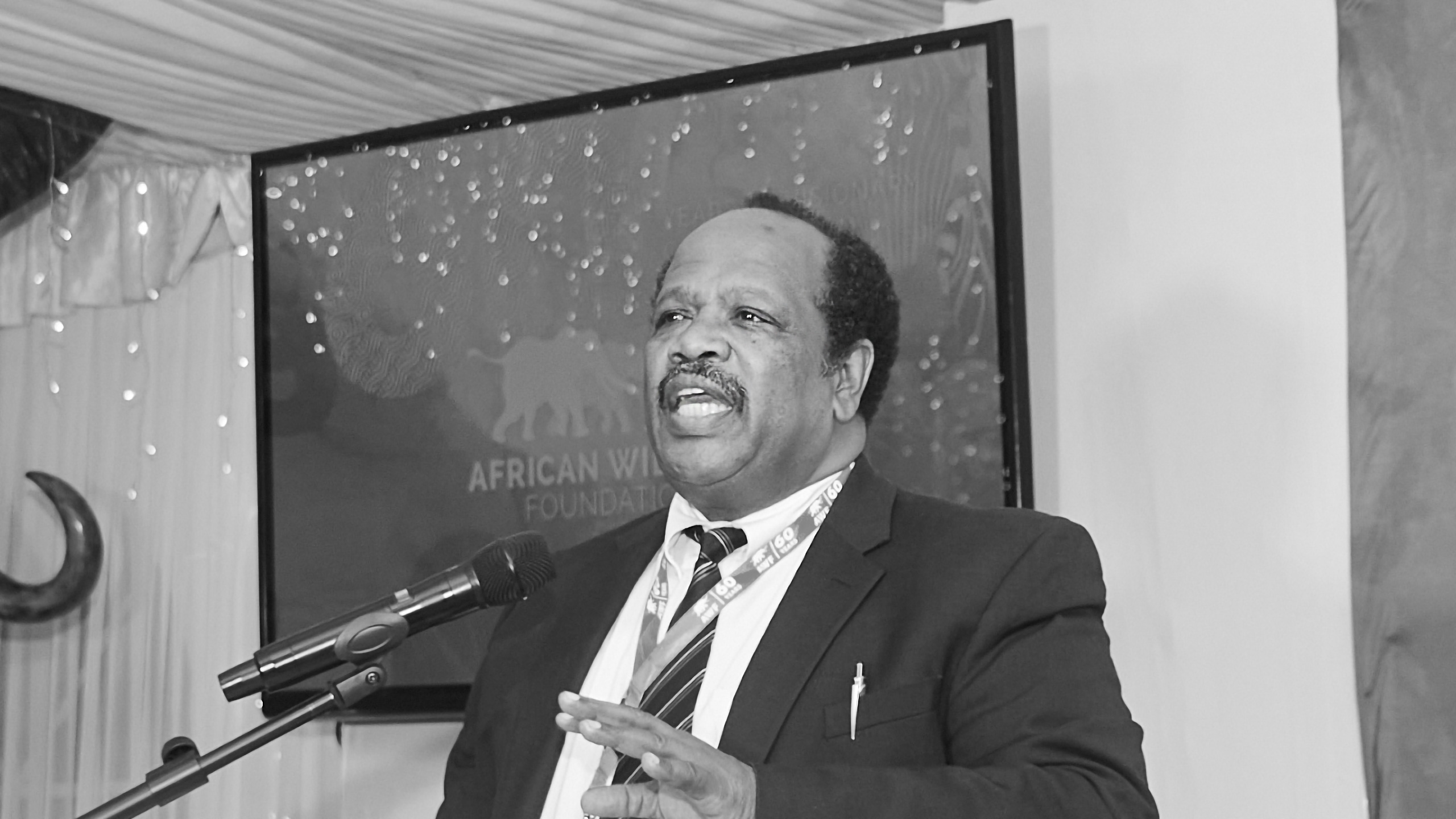
    John Salehe. Photo © Nature Tanzania

    He had begun working in conservation in the 1970s. Long after formal employment ended, he kept chairing organizations and advising others. He had joined the Tanzania Forest Conservation Group in 1994 and chaired it from 2012. He also chaired the Tanzania Association of Foresters and the Community Wildlife Management Area Consortium, and helped found Nature Tanzania. There, birds became another route into the same larger question: how to protect habitats while giving Tanzanians a reason and a means to protect them themselves.

    Salehe believed, Nature Tanzania recalled, that conservation belonged to the people. The phrase could sound grander than the man’s working methods. Those were meetings, land-use plans, budgets, negotiations, and years spent keeping alliances together. In the landscapes where he worked, that was often what conservation required.

    Header image: Courtesy of AWF


    community Conservation helped John movement Salehe shape Tanzanias
    NCIJ NETWNCIJ NETWORK
    • Website

    Keep Reading

    ‘A Transição Energética Não Pode Se Tornar Uma Nova Forma de Violência Colonial,’ Dizem Lideranças Indígenas Brasileiras Às Nações Unidas

    Nepal enlists AI to help fight against crop-raiding macaques

    Six African countries now support precautionary pause on deep-seabed mining

    ‘The Energy Transition Cannot Become A New Form Of Colonial Violence,’ Brazilian Indigenous Leaders Tell UN Conference

    Myanmar junta pushes to restart Myitsone Dam project

    The king of the Andes: How a village learned to coexist with condors

    Add A Comment
    Leave A Reply Cancel Reply

    Editors Picks

    How to tell if your AI platforms’ accounts have been hacked

    August 15, 2026

    Tokenized Stocks Reach 1.3M Holders as Volume Surges

    August 15, 2026

    When gut microbes run low on fiber, they may start eating you

    August 15, 2026

    ‘A Transição Energética Não Pode Se Tornar Uma Nova Forma de Violência Colonial,’ Dizem Lideranças Indígenas Brasileiras Às Nações Unidas

    August 15, 2026
    Latest Posts

    Why two public companies quietly liquidated 511 Bitcoin in 24 hours to escape $31.7 million in debt

    July 26, 2026

    TechCrunch Mobility: Uber bets on its former CEO

    July 26, 2026

    Ed Miliband indicates development and climate will be at heart of UK foreign policy | World Bank

    July 26, 2026

    Subscribe to News

    Get the latest sports news from NewsSite about world, sports and politics.

    NCIJ Network is an independent digital news platform delivering trusted investigative journalism, European and global news, in-depth analysis, and fact-based reporting with accuracy, transparency, and integrity.

    Facebook X (Twitter) Instagram Pinterest YouTube

    How to tell if your AI platforms’ accounts have been hacked

    August 15, 2026

    Tokenized Stocks Reach 1.3M Holders as Volume Surges

    August 15, 2026

    When gut microbes run low on fiber, they may start eating you

    August 15, 2026

    Subscribe to Updates

    Get the latest creative news from FooBar about art, design and business.

    Type above and press Enter to search. Press Esc to cancel.