


- In tropical cities, urban heat islands (UHIs) exacerbate an already challenging hot-humid heat burden for residents. UHIs are formed by urban artificial surfaces like concrete and asphalt that retain heat by day and slowly release it at night, never giving cities a chance to cool.
- Natural and infrastructure solutions can be implemented to combat the UHI effect and cool cities. These include creating shade by planting trees or extending roofs; inducing wind to blow down urban streets; constructing green roofs and walls; painting roofs light colors; and changing social practices to avoid midday heat.
- But sufficient funding is needed to implement many of these changes. Wealthy cities, like Singapore, have an advantage over cities with less funding. Many tropical mega-cities, including Lagos, Mumbai, Manila, Jakarta and São Paulo, are working to reduce UHI effects, but struggle to afford full implementation.
- The 2026-2027 El Niño is now growing in strength and expected to bring record temperatures to the tropics. These extreme temperatures, combined with UHI effects and urban poverty, could prove deadly for vulnerable residents, which include the poor, young, old, those with disabilities, and those working outdoors.
Urban heat islands pose a growing global health threat. But in tropical cities, the peril is surging. Already burdened by hot-humid equatorial weather, global warming, intense poverty, rapid urbanization, and a lack of cooling infrastructure, tropical city officials now face a powerful 2026-2027 El Niño that could put millions of vulnerable urban dwellers at risk.
Heat islands form because artificial surfaces, like roads and rooftops, trap heat by day and release it by night, never giving highly-urbanized spaces time to cool. When climate change-induced heat domes stall over cities, temperatures can soar for weeks into the triple digits.
Every “city has a rhythm, it has a metabolism,” Matthias Roth, a National University of Singapore researcher, told Mongabay in a video interview. “The metabolism of each city — especially how incoming solar energy is divided between heating surfaces, warming the air, evaporating water, and being stored in the ground and buildings — influences how much energy heats up buildings, surfaces, and air. The prevalence of concrete and asphalt and the absence of vegetation creates a heat island.”
But not all tropical urban heat islands (UHIs) are created equally, with the severity of their heat burdens dependent on innovative city planning and the financial clout to keep pace with global warming.
In wealthy Singapore (which has devoted high levels of funding to curb UHI effects), air temperatures can still swell; compact high-rise building complexes there can see outdoor temperatures 4.3° Celsius (7.9° Fahrenheit) above rural areas. But in poorer cities, like Lagos, Nigeria, the difference can be far more extreme, with a 2024 study finding average land surface temperatures of 8.3°C (14.9°F) in its urban center above those in the vegetated periphery.
This stark difference is largely due to Lagos being unable to release its daily heat burden due to vast urban artificial surfaces that absorb sunlight, compact street layouts that restrict airflow, few cooling green spaces, and heat-emitting industry and transportation run with fossil fuels.
UHI health risks are intensified by humidity
Unabated tropical heat island exposure can be deadly. Prolonged excessive temperatures can cause severe dehydration, heatstroke, and raise the risk of heart attack, and kidney failure, while worsening existing health problems like asthma and COPD, as well as mental health issues.
An estimated 489,000 heat-related deaths occurred worldwide each year from 2000 to 2019, with much of that mortality centered in cities. A 2023 study of U.S. metro areas found that high-intensity urban heat island areas accounted for 35% of total heat-related cardiovascular disease burden, while low-intensity UHI areas accounted for 4% of such effects. The U.S. saw a “117% increase in the number of heat-related deaths” from 1999 to 2023.
Rising temperatures are just part of the UHI problem. Increasing humidity also plays a key role, especially because a globally “warmed atmosphere holds more moisture” — about 7% more for every rise of 1°C (1.8°F).
Other factors contribute to risk. “In the end, it’s thermal comfort we have to talk about, not just air temperature,” Roth says. Thermal comfort is measured by combining “dry-bulb temperature, humidity, radiant temperature, and air movement;” it’s also influenced by an individual’s activity level and clothing, all of which taken together results in a human-oriented approach to gauging heat, humidity and health effects.
As complex as these factors are, Alexandre Lefevre, a researcher at the University of Reunion Island, found in a 2025 study that most research doesn’t evaluate thermal comfort. In 100 UHI studies published between 2000 and 2024, Lefevre and his colleagues determined most focused on land surface temperature alone, rather than human heat exposure. But in cities “where humidity rarely drops below 70% and vegetation persists year-round, [measuring] surface temperatures alone often underestimate human heat exposure,” the authors wrote.
Likewise, UHI tropical research has emphasized the physical measurement of heat, with UHI human health impacts remaining understudied. Rohinton Emmanuel, a sustainable design and construction professor at Glasgow Caledonian University in Scotland, says that more studies are needed on heat-related illnesses, such as COPD, and are imperative to finding UHI solutions. “The problem is that [heat harm] is confounded by poverty,” and lack of heat island mitigation funding, so it’s difficult to pinpoint causes and solutions, Emmanuel says.

UHI: A question of economic inequality
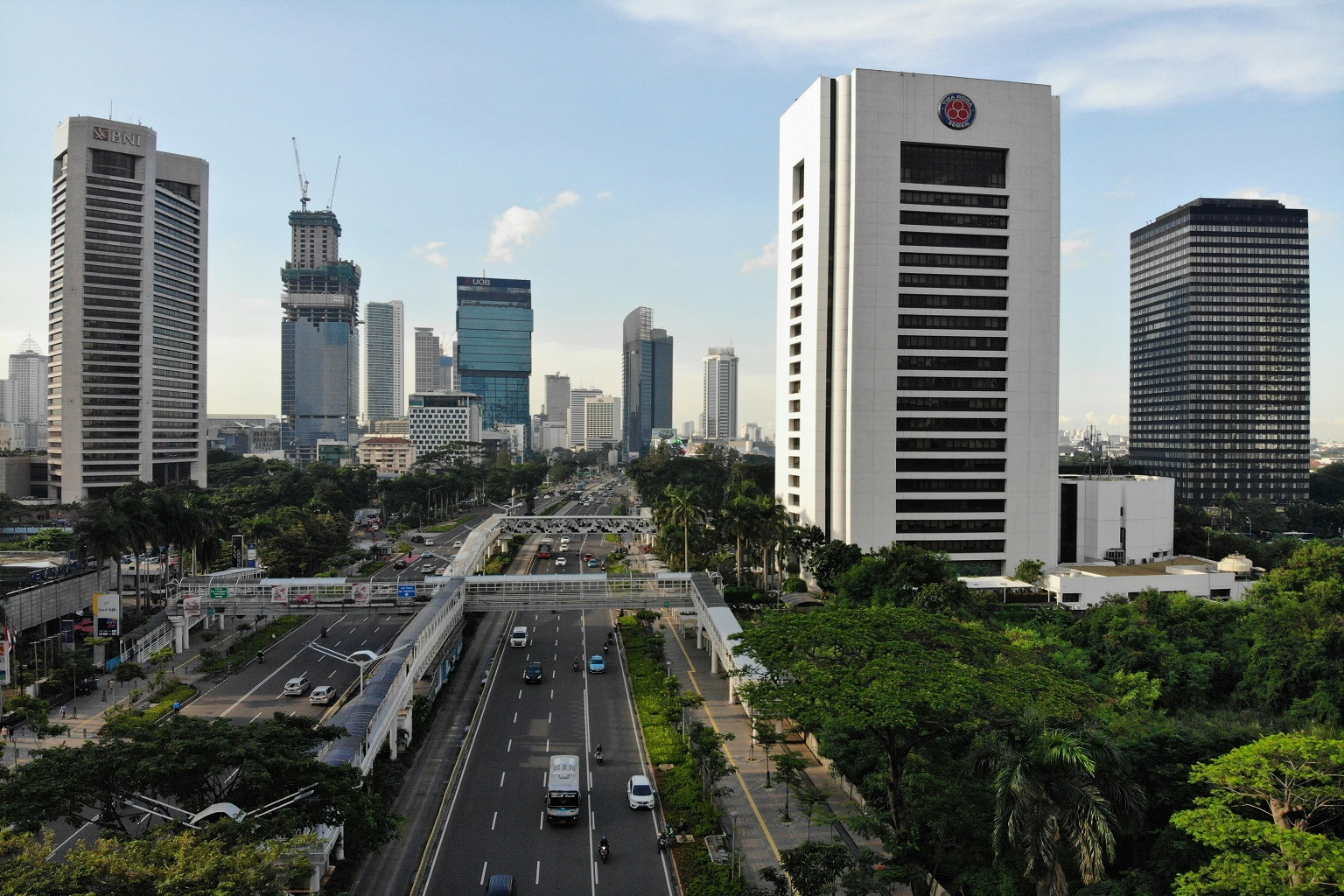
Gauging the seriousness of a tropical city’s UHI intensity often links to demographics: “About 2.5 billion people live in tropical settlements,” with some of the “world’s largest and fastest-expanding” mega-cities among them, including Lagos, Mumbai, Manila, Jakarta and São Paulo — cities known for soaring influxes of people emigrating from rural areas and often living in unplanned informal settlements.
As of 2018, 47% of the world’s tropical population lived in urban settings. Of that, “roughly 37% lived in slum conditions,” where air conditioning is rare. By 2050, “the global urban population is expected to grow to 6.3 billion with almost 60%” of that growth forecast for tropical nations.
Among tropical cities, Singapore is one of the best prepared for escalating UHI effects, with its well-funded government proactively implementing heat island solutions. This city state serves as the “it-point” of tropical UHI research, Lefevre says.
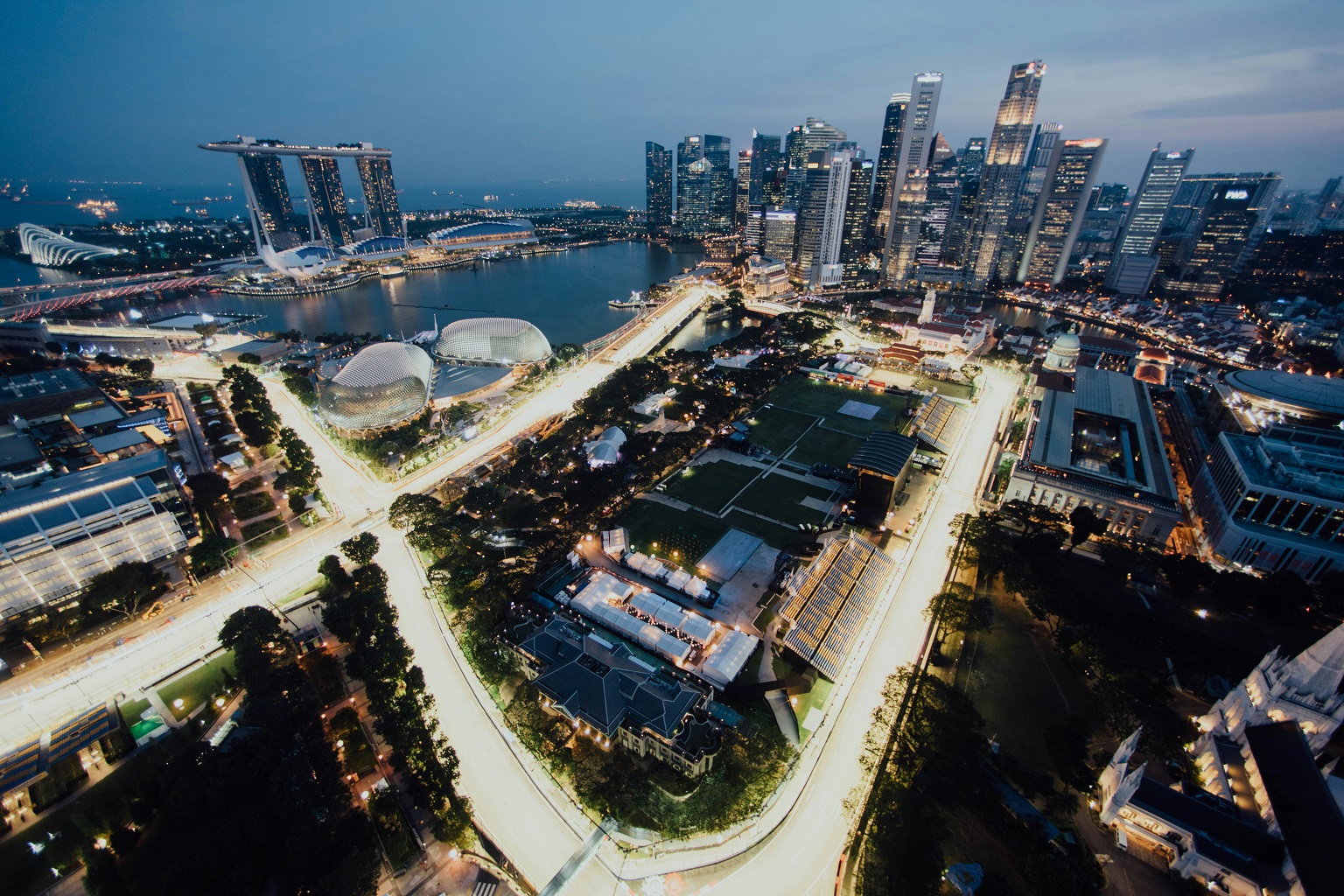
Urban greening projects and years of environmentally-sustainable development have generated a sprawling network of cooling ventilation and shade across the city. Air conditioning is a staple in many Singapore households, according to Roth.
Other tropical cities aren’t doing as well. Lefevre’s study found that both wet and tropical monsoon regions, while urbanizing rapidly, remain severely underexamined by UHI research, as vulnerable residents suffer worsening heat effects. “The most represented areas [in UHI studies] are Singapore and Southeast Asia, and the least represented are definitely in Africa,” he says.
The Singapore and Lagos UHI difference largely boils down to economics: Singapore’s GDP per capita is $100,000-plus, an economic status that helps keep its 5.9 million people cool. Nigeria’s GDP is between $1,200 to $1,600 per capita, allowing for only limited government heat management projects, and leaving many of Lagos’ 12.8 million citizens unprotected from UHI impacts. Such disparity, experts say, is an environmental justice issue, with the world’s richest (and best air conditioned nations) generating the most warming gases, while the world’s poorest citizens endure the worst UHI effects.
Heat island solutions
In a globally warming tropical world, UHI effects will likely worsen where weak economies can’t guard against them. The good news: Heat island solutions abound, with the best being the reintroduction to city interiors of natural phenomena, including shade, wind, evaporation and water.
Planting trees is one obvious solution. In the tropics, vegetation grows quickly and is a more immediate, less expensive, fix than architectural redesign which may take years to accomplish. A city’s tree canopy and the shade it offers can drastically lower urban temperatures, with trees also beneficial to biodiversity and enhanced mental well-being.
But there are caveats: In coastal cities, planting trees can be counterproductive if not placed strategically to avoid blocking cooling ocean winds, Lefevre says. Just as important as shade is ventilation, Roth adds: An onshore sea breeze has nowhere to go when impeded by lines of tall coastal high rises or improperly placed trees. City planners need to allow prevailing winds to flow down main streets and be diverted into side streets, relieving residential heat burden.
In Hong Kong (GDP per capita $59,983), Emmanuel says major developments are required to assess airflow impacts and ensure new construction doesn’t impede wind circulation or obstruct ventilation. For non-coastal cities, “we have to induce wind,” he added. “Fortunately, the tropics have monsoons, so we know which [prevailing] direction [wind] comes from,” and planners can redesign streets to align with monsoonal breezes.
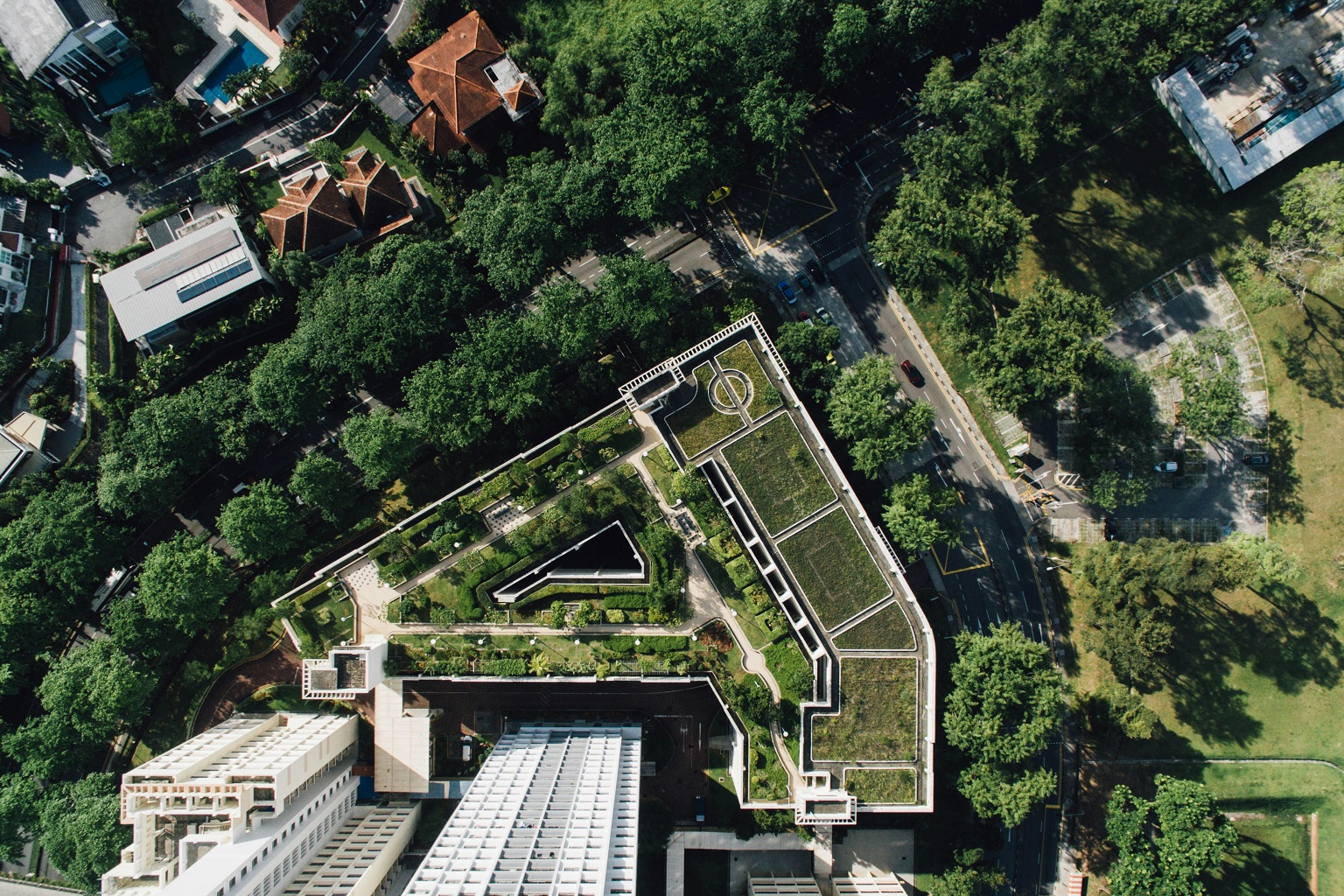
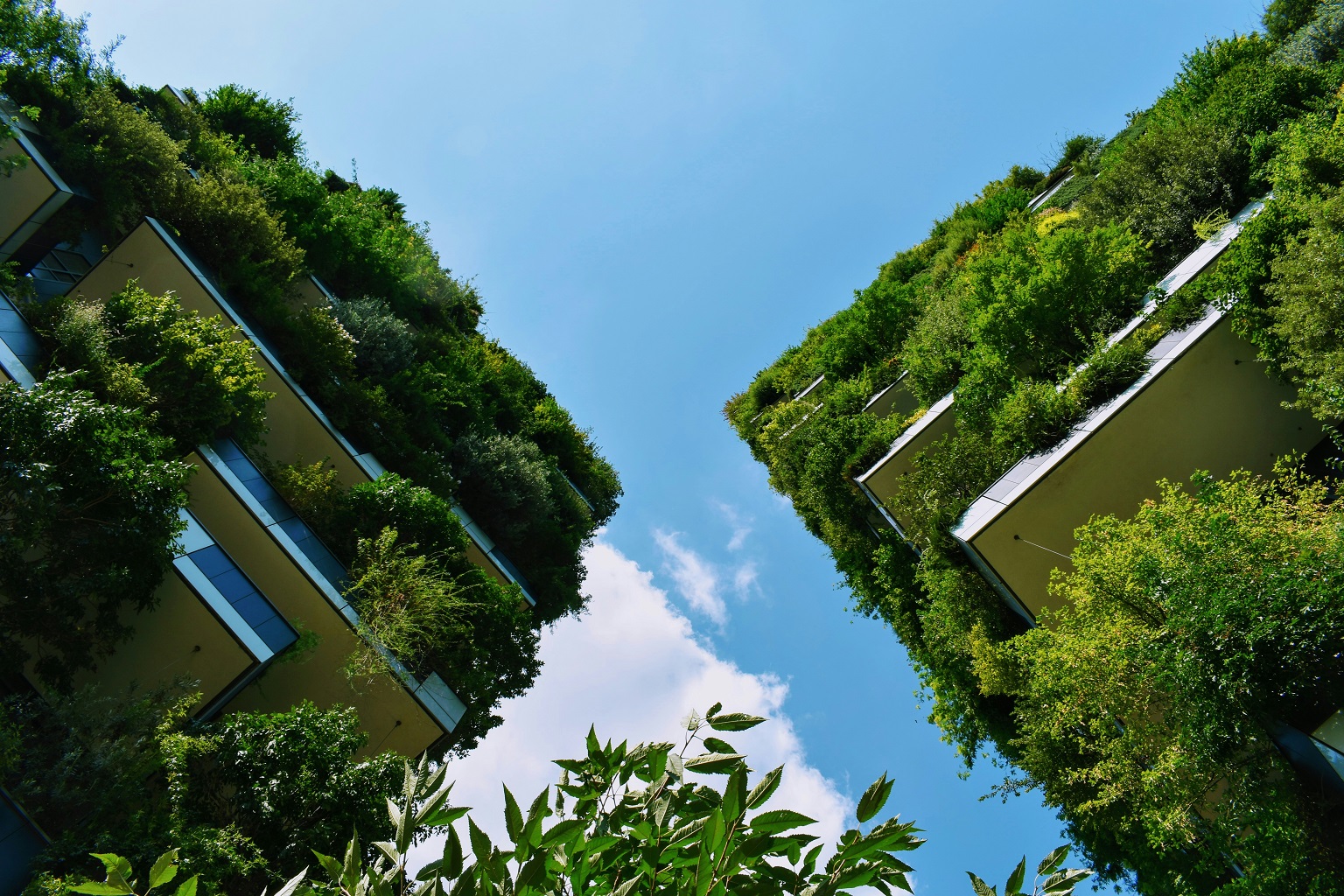
Another UHI solution: Reclaim artificial space (e.g. sidewalks, roofs, buildings) with green alternatives that reflect or harvest the sun’s energy. Green roofs and vertical gardens counter dark, non-reflective heat-absorbing building materials. Vacant lots can be replaced by parks. And artificial drainageways can be swapped for vegetated green swales that absorb rainwater and solar energy.
These solutions aren’t a cure-all. For cities with limited budgets, tree planting and maintenance can be too costly and an overhaul of street layouts can be impossible without major disruption to crowded neighborhoods, while building green infrastructure can be financially out of reach.
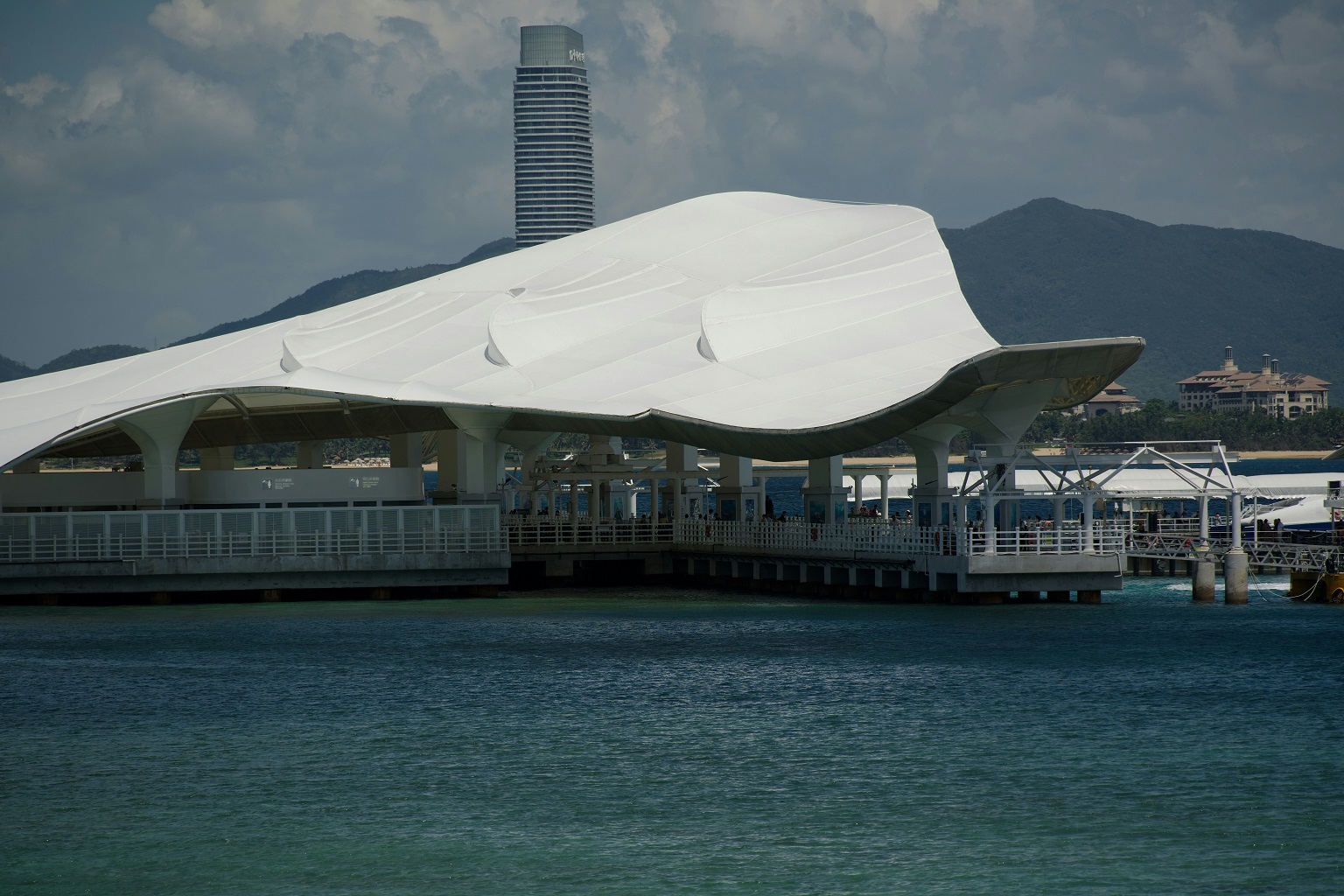
Alternatives to tree planting, Roth says, are low-cost passive cooling techniques, such as creating artificial shade, which can lower indoor temperatures without relying on mechanical air conditioning. “If you look at [tropical] vernacular and traditional architecture, they usually don’t have windows that are directly, completely exposed to incoming solar radiation,” Roth says. Integrating eaves and extending roofs beyond housing perimeter walls prevents the sun from generating an indoor greenhouse effect. Traditional building materials, like adobe, also provide cooling. A less costly alternative to vegetated roofs is painting them in reflective colors.
Timing urban lifestyles to stay cool
Environmental design is just one line of UHI defense. Restructuring daily urban life to avoid peak heat exposure is critical, Emmanuel says. “We probably have to rethink how activities are formed …Why should the tropics also have nine-to-five activity?” He points to cities in Spain and India, where residents avoid the outdoors when the heat index is highest. “There’s not a soul around during the daytime, but at 5 p.m., everybody comes out and the streets are full of life.”
Emmanuel also points to the economic and incentive disparity between homeowners and renters. “People who rent don’t have any rationale to invest [in UHI solutions], because the land isn’t theirs; they can be kicked out at any time … Give people tenancy to the land and they will invest” more in cooling. Urban officials also need to offer incentives to landlords and renters to improve rental property ventilation and structural materials, he says.
Weather prediction is also key. According to Lefevre’s research, heat island studies rarely address short-term forecasting: “Tropical cities increasingly face frequent and severe extreme heat events, exacerbated by UHI effects and limited infrastructure,” his research finds. “Early warning systems at neighborhood scale, supported by high-resolution thermal and health data, could help authorities issue timely alerts and deploy cooling measures, especially for vulnerable populations in informal settlements or areas with low green cover.”
Facing El Niño and a globally heated future
Addressing UHI proactively is especially urgent now, as the world rushes into what could be an historic El Niño. This natural climate phenomenon, occurring every 2-7 years, supercharges global average temperatures, and forecasters say the 2026-2027 event could be the most powerful ever recorded. Impacts will be especially severe in the tropics where hotter El Niño temperatures are often accompanied by severe drought, deluge and wildfires.
Cities are rushing to respond. In June, Lagos officials announced their alignment with the U.N. Environment Programme’s “50 @ 50” global campaign to combat extreme heat; the Nigerian mega-city’s theme: “Lagos Rising Against the Urban Heat Island.” The U.N. initiative has been embraced by more than 50 cities that agree to share innovative responses to climate risks.
Experts worry El Niño-related temperature upticks this year and next, combined with UHI effects could become insurmountable in places. “It might be four or five degrees [C] warmer,” Emmanuel says. “That might look very small, but in the tropics where the temperature is already in the high 30s [C] with 70% humidity, it is massive. There’s no way you can cool yourself.” Exposure to that kind of heat and humidity can be deadly, especially for the young, elderly or those with respiratory or other illnesses. It can even kill healthy adults forced to earn a living outdoors in the urban gig economy.
Cities in Africa, South Asia and Southeast Asia will remain hotspots, Lefevre says. With tropical populations soaring, as climate change worsens, and UHI effects intensify, investing in solutions now in understudied, ill-funded, poorly prepared tropical cities will be imperative to protecting human health and conserving lives.
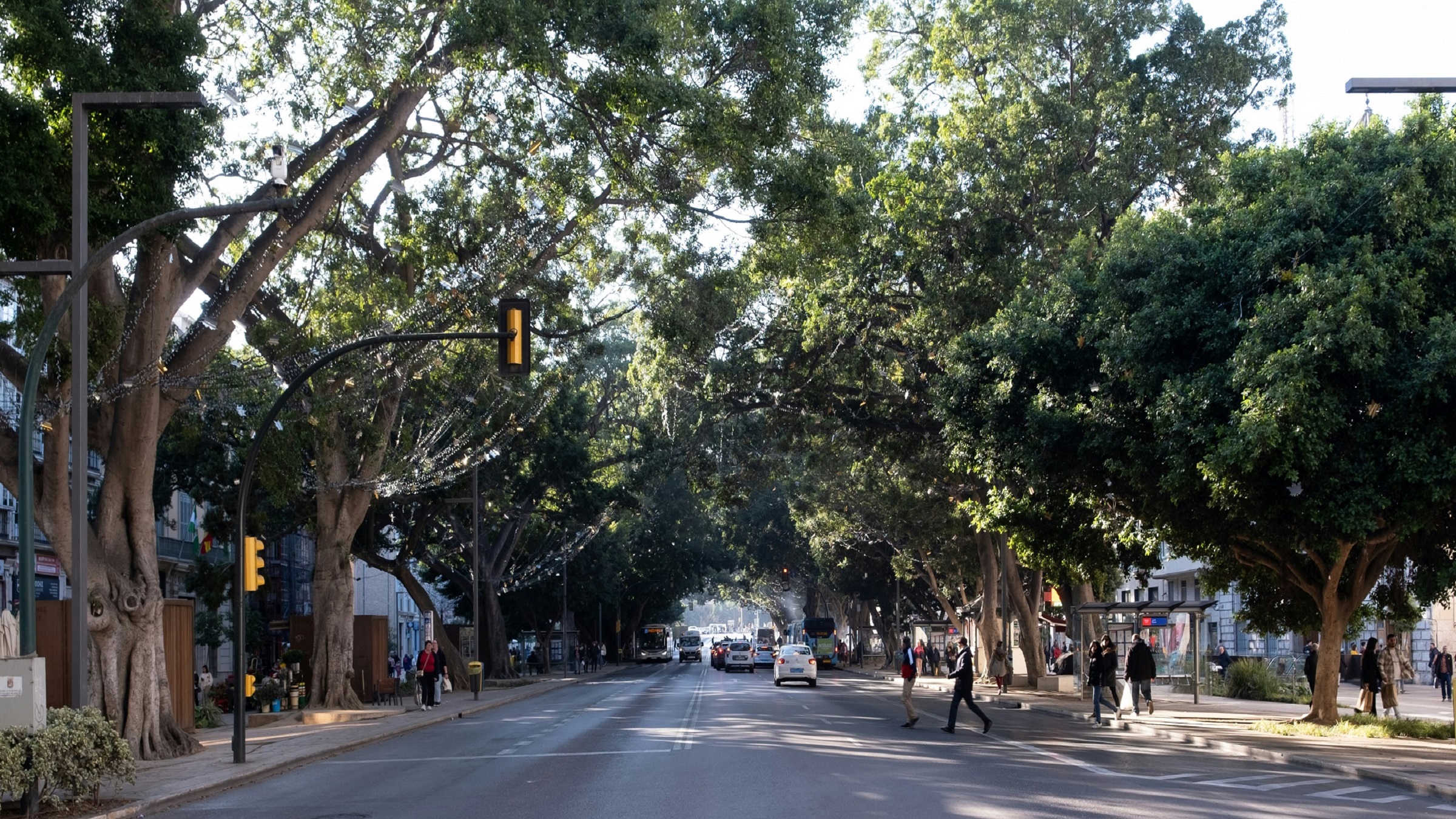
Banner image: Street trees shading an asphalt road in Málaga, Spain. While trees are the obvious go-to cooling solution, their upkeep can be expensive. Image by Ari Dinar via Unsplash (Free to use).
Citations:
Howard, J. T., Androne, N., Alcover, K. C., … Santos-Lozada, A. R. (2024). Trends of heat-related deaths in the US, 1999-2023. JAMA, 332(14), 1203. doi:10.1001/jama.2024.16386
Cleland, S. E., Steinhardt, W., Neas, L. M., West, J., … Rappold, A. G. (2025). Corrigendum to “Urban heat island impacts on heat-related cardiovascular morbidity: A time series analysis of older adults in US metropolitan areas” [Environ. Int. 178 (2023) 108005]. Environment International, 202, 109613. doi:10.1016/j.envint.2025.109613
Lefevre, A., Malet-Damour, B., Boyer, H., … Rivière, G. (2025). Urban heat island in the tropics: A review of advances, challenges, and future directions. City and Environment Interactions, 28, 100265. doi:10.1016/j.cacint.2025.100265
Eze, N., Akinola, B., … Ibrahim, A. (2024). Spatial analysis of urban heat island intensity in the greater Lagos metropolitan area. International Journal of Geography, Geology and Environment, 6(1), 557-560. doi:10.22271/27067483.2024.v6.i1g.545
FEEDBACK: Use this form to send a message to the author of this post. If you want to post a public comment, you can do that at the bottom of the page.
Cite this article
Adam Litchkofski (2026). Urban heat islands have solutions; many tropical cities can’t afford them. Mongabay Conservation news. DOI: https://doi.org/10.66709/news-326095

