


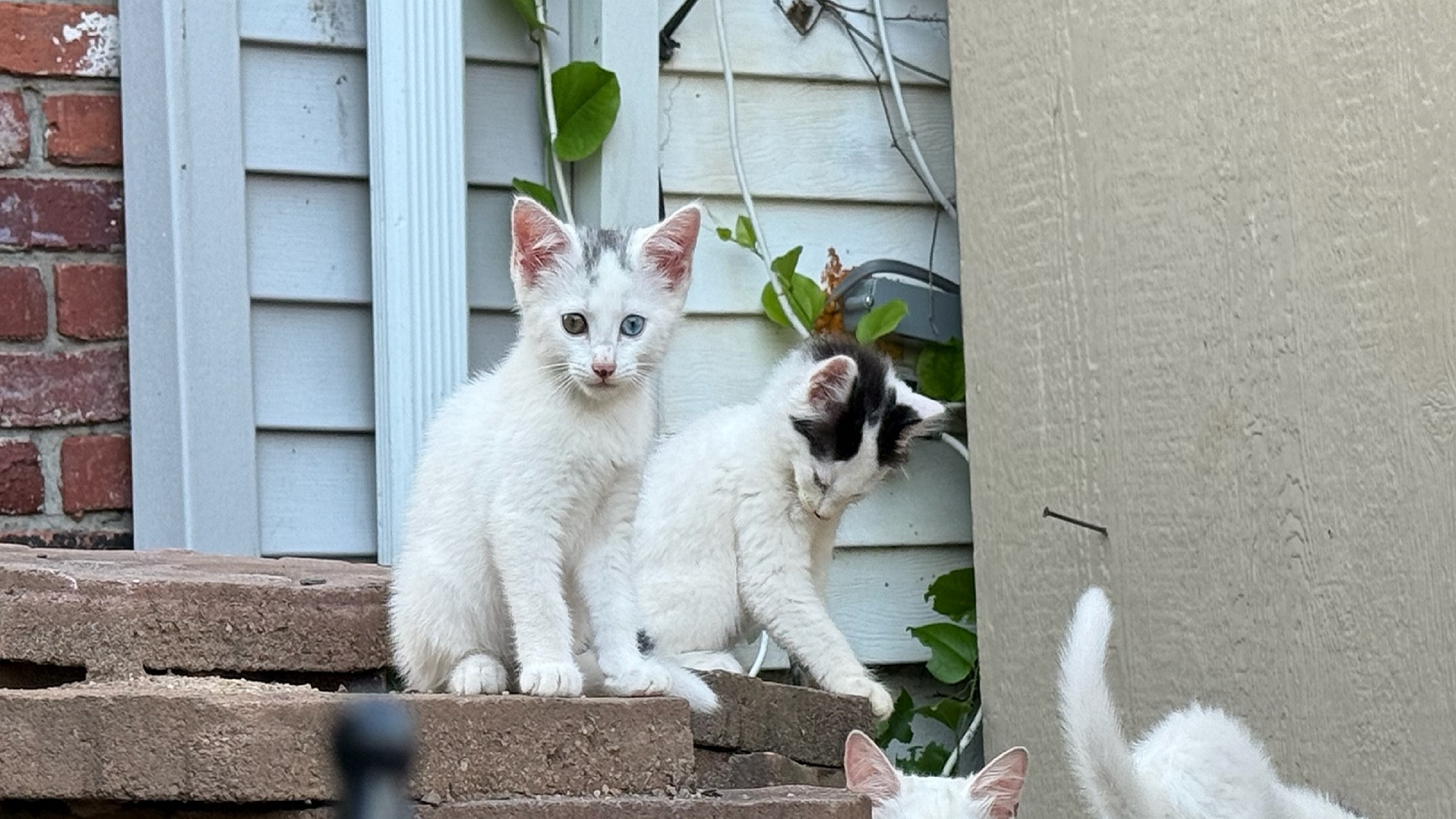
- New York City has a large population of free-roaming cats, which can harbor and transmit zoonotic parasites.
- Some parasites shed by cats remain in the environment for long periods and infect pets, wildlife and humans.
- Researchers recently tested cats that were captured during a trap-neuter-return program in New York City and found that more than half were infected with at least one type of parasite; young male cats shed large numbers of parasite eggs into the environment.
- The study’s authors suggest that trap-neuter-return programs incorporate disease management and surveillance to better monitor and mitigate zoonotic health risks.
If you’ve ever strolled through New York City and felt like there were a lot of cats strutting the streets, you weren’t wrong.
No one knows exactly how many felines wander New York, but it’s a lot. Bideawee, a regional animal shelter, says tens of thousands of stray and feral cats live in the city’s outdoor spaces. In 2023, The New York Times said there could be as many as half a million feral cats; the same year, CBS News reported the number could be double that.
The health of these cats is a bit less of a mystery thanks to a recent study from researchers at Rowan and Long Island Universities. It’s well-known that free-roaming cats can carry parasites and “shed” the eggs in their feces, which can then infect humans, pets and wildlife via contact with animal waste or soil in public places.
Unmanaged free-roaming cat populations, the authors write, “occupy a critical interface between animal health, human health, and environmental hygiene.”
But studies on this problem in New York City are rare, according to the researchers. The team tested nearly 90 cats across every borough except Manhattan in the late spring and summer of 2023. They found that more than half were infected with at least one parasite; 22% harbored two or more.
These results aren’t surprising, said Felicia Nutter, a wildlife veterinarian at Tufts University, in an email to Mongabay.
The study establishes a baseline for cats in this area. Continuing to study this same population could help identify hotspots, track emerging parasite species and evaluate different management practices, she said.
The public health risk to humans is real, but “unevenly distributed and mostly environmental,” Nutter added.
“The results should be interpreted as evidence of preventable or manageable environmental health problems, not as immediate threat from casual contact with cats,” she said.
The findings also highlight the vulnerability of pets and urban wildlife to parasites that can live long and range far through the environment.
The parasite problem
Many cities, including New York, employ trap-neuter-return (TNR) programs to humanely manage stray and feral cat populations. This process of catching, spaying or neutering and releasing free-roaming felines gave the researchers a chance to test 87 cats for parasites between May and July 2023.
Common infections included the presence of Toxocara, a roundworm that may cause flu-like symptoms in humans or in rare cases, may damage organs or vision. Both juvenile and male cats shed significantly more Toxocara eggs than adults and females, leading the researchers to dub young males “super-shedders.”
About 14% of cats were infected with Ancylostoma, hookworms that can cause itching in humans as the parasites travel through the skin. A handful of cats also showed evidence of prior infection with Toxoplasma gondii, which can cause toxoplasmosis, a potentially life-threatening condition for fetuses or immunocompromised individuals.
The New York City Health department told Newsweek that the paper’s findings don’t change public health recommendations since “the risk to New Yorkers remains low.” The department added that city residents “should wash their hands, avoid contact with animal waste and ensure pets receive routine veterinary care.”
Toxocara and T. gondii can both infect and sicken pets and local wildlife. The risk varies considerably by parasite and wildlife species, Nutter said.
Toxocara can infect wild rodents, rabbits, shrews and birds, she said. The parasites’ eggs are surprisingly hardy and aren’t bothered by harsh winters in the northeastern U.S. They can still infect organisms after spending years in the ground.
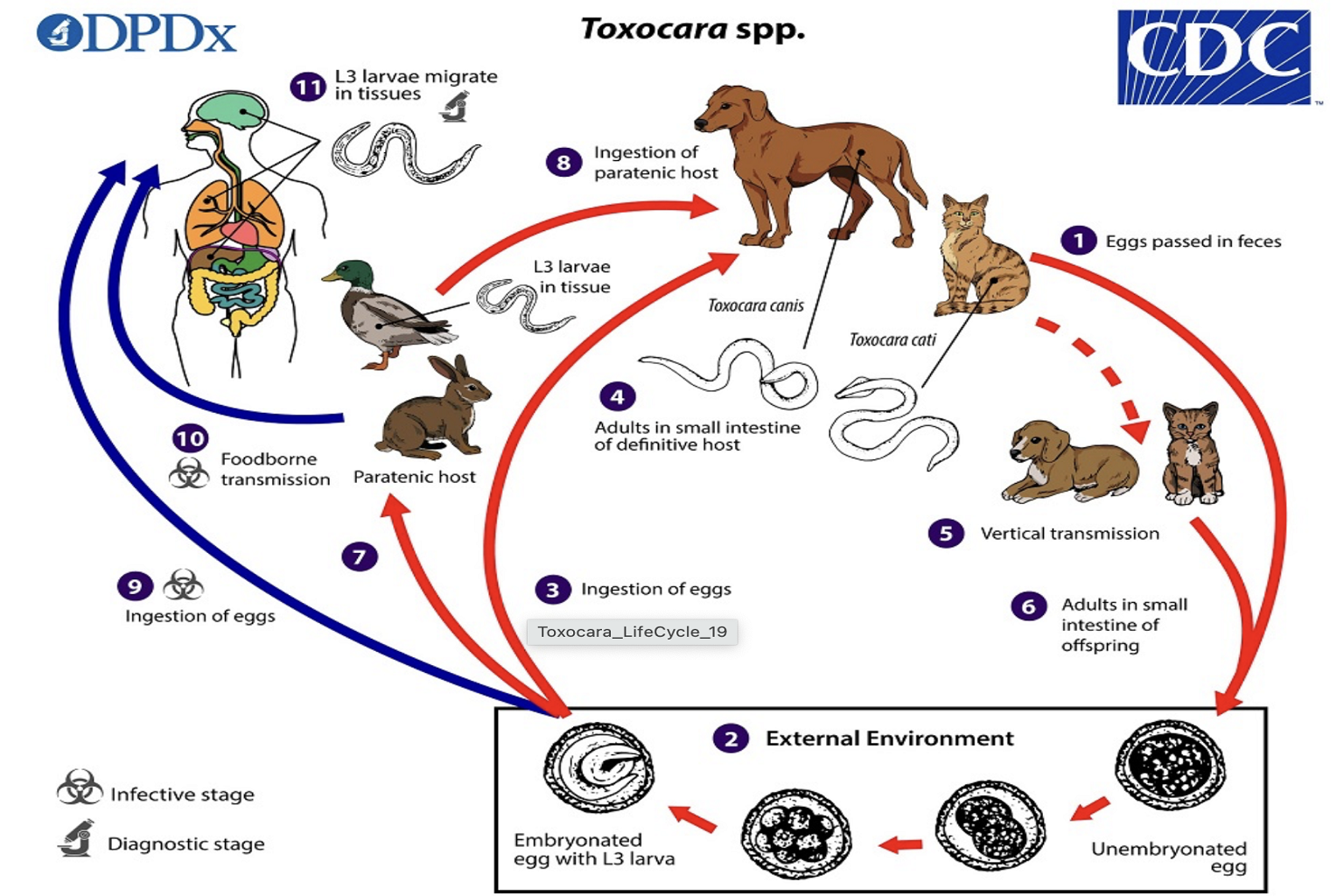
Just about any warm-blooded vertebrate can be an intermediate host of T. gondii, including both terrestrial and aquatic birds and mammals, Nutter said, and the parasite can travel through both soil and waterways.
Most wildlife hosts are asymptomatic. But larvae migrating through animals’ bodies can cause problems and parasites can prove deadly to some as they invade the brain or organs.
“While only some of the parasites evaluated [in this paper] pose a risk to humans, they may pose a greater health threat to other cats, owned and unowned, dogs, and the many species of wildlife,” the New York City health department told Newsweek.

Managing a free-roaming population
Existing trapping programs might offer a path forward.
The researchers suggest coupling these initiatives with parasite control strategies and targeting “super-shedders” in particular. Administering antiparasitic drugs to young male cats during capture might be “more efficient, in terms of eggs removed from the environment per treatment, than uniformly treating all cats with low-intensity infections,” they write.
Combining TNR programs with treatment and surveillance, along with other initiatives such as sanitation, adoption and abandonment prevention, would be “an excellent approach,” Nutter said.
But there are logistical hurdles. Record-keeping, cat testing and environmental monitoring will need sustained resources and partnerships between TNR groups, veterinarians, public health departments and others, Nutter said.

“If a public health agency wanted the TNR community to help it monitor for parasitic diseases, it would have to provide a testing protocol for participating veterinarians as well as funding for the veterinarians’ services in this regard,” said Bryan Kortis, national programs director for the nonprofit Neighborhood Cats, in an email to Mongabay.
The organization coordinates and supports TNR initiatives in New York City. It would rather see funding go to spaying and neutering, Kortis said.
“In the end, reducing the outdoor cat population in a manner that is humane and effective, and attracts grassroots participation, is the best way to reduce public health risks from outdoor cats,” he wrote.
Nutter said that ultimately, “absolute reduction in the numbers of free-roaming and feral cats should be the goal.” But broadly, the hope for TNR programs is more than that, she added.
“The overall goal of such TNR work, in my opinion, is not simply to reduce cat numbers or improve cat welfare,” she said. “Rather, it is to manage the interface among humans, domestic animals, wildlife, and the ecosystem … to improve health and welfare across all domains while minimizing unintended consequences.”
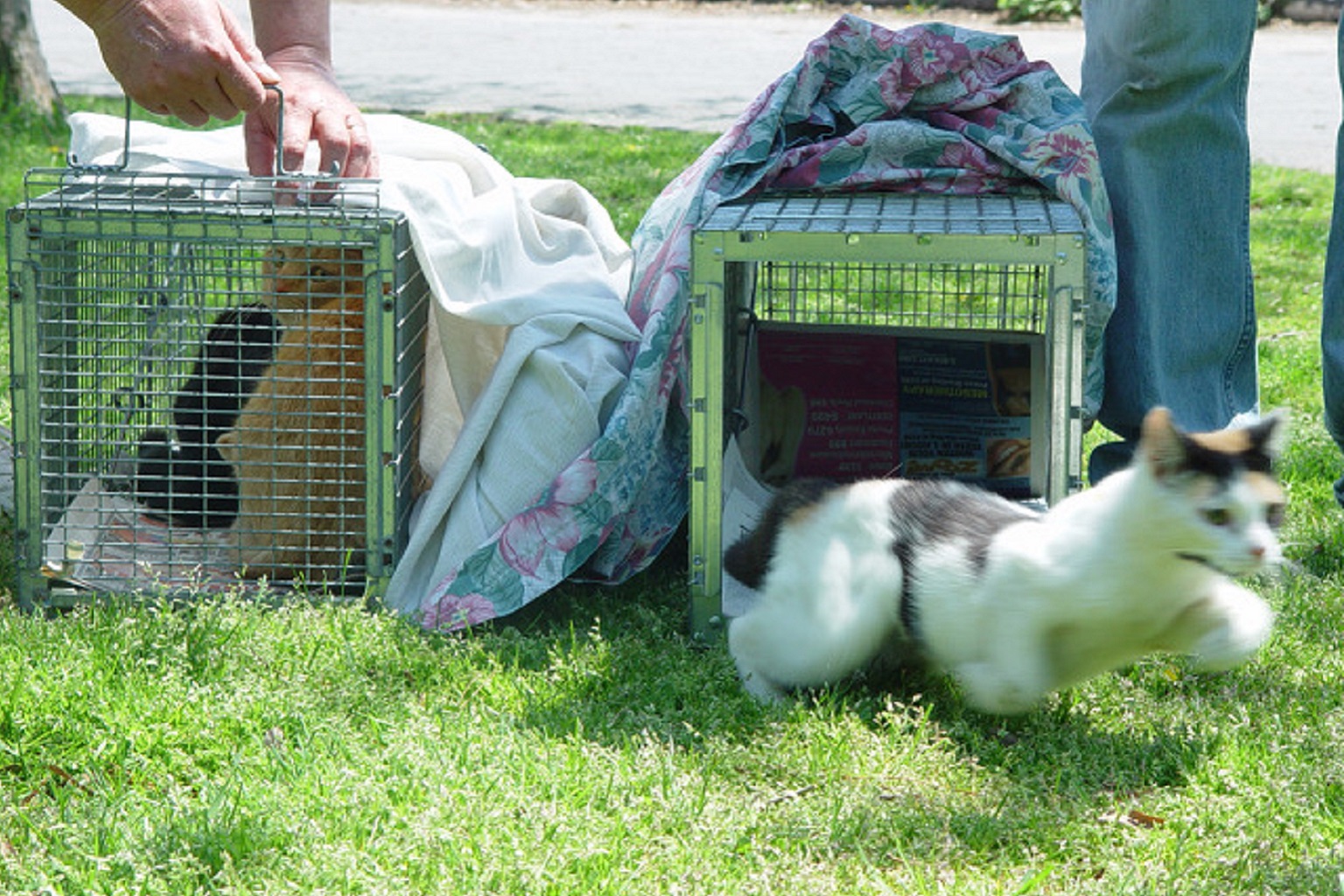
Banner image: Unowned, free-roaming cats in New York City. Trap-neuter-return programs can help sterilize and manage feral and stray populations in the city. Image courtesy of Neighborhood Cats.
Alex Megerle is an intern writer at Mongabay, where he covers wildlife and conservation and is a student in the Massachusetts Institute of Technology Graduate Program in Science Writing.
Citation:
Nguyen, V., Gurtowski, E., Chen, J., Rosen, M., & Kafle, P. (2026). Zoonotic endoparasites and Toxoplasma gondii seropositivity in free-roaming cats (Felis catus) from New York City boroughs. PLOS One, 21(7), e0351437. doi:10.1371/journal.pone.0351437
FEEDBACK: Use this form to send a message to the author or editor of this post. If you’d like to post a public comment, you can do so at the bottom of the page.
More to explore:
Madagascar group aims to protect wildlife from stray cats & dogs
Cite this article
Alex Megerle (2026). Some free-roaming cats in New York City are parasite “super-shedders,” study shows. Mongabay Conservation news. DOI: https://doi.org/10.66709/news-325347

