


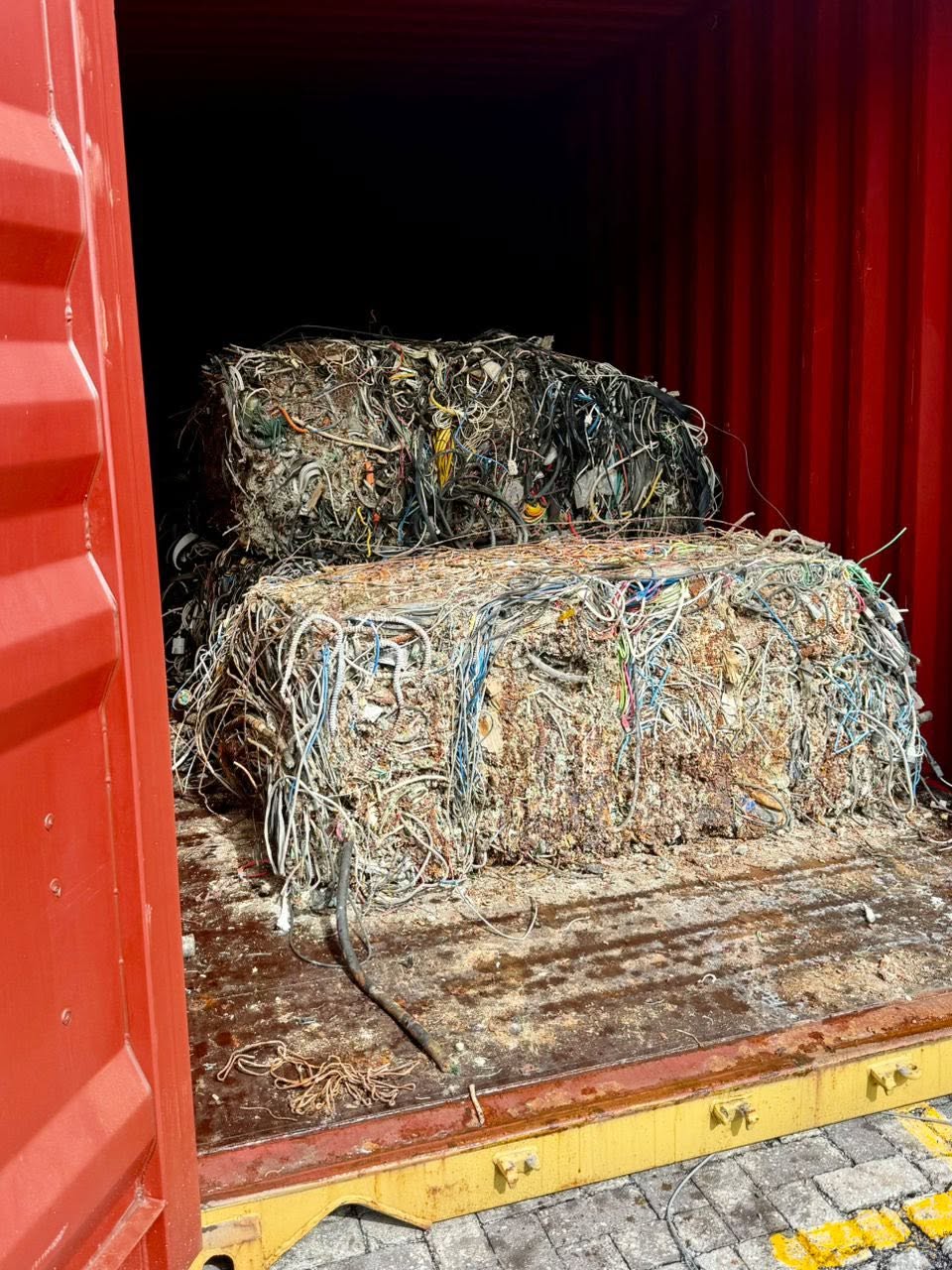
In April 2026, Malaysia enacted an absolute ban on the import of electronic waste, moving to end its role as a primary destination for the world’s hazardous electrical and electronic scrap.
The regulation aims to shutter a black market of illegal recycling yards that use falsified paperwork to smuggle toxic materials into the country, reports contributor Ashley Yeong for Mongabay.
Investigators and NGOs have long raised concerns about containers with falsely declared documents frequently slipping into Malaysia’s illegal recycling sites. To get through customs, smugglers often declare electronic waste, or e-waste, as legitimate raw materials.
The large volume of shipping containers that pass through Malaysian ports makes the detection of the illegal waste challenging, Nik Ezanee Mohd Faisal, the commander of the Malaysian Border Control and Protection Agency (AKPS) in Port Klang, told reporters in February. In the first five months of 2026 alone, Port Klang, located in the west coast of Malaysia, processed approximately 3.2 million standard shipping containers.
Despite the challenge, a specialized joint task force known as Op Green Shield has started to see results. Between January and July 2026, the task force inspected 685 containers and successfully repatriated more than 3,000 metric tons of e-waste to their countries of origin.
Jim Puckett, executive director of the Basel Action Network (BAN), told Mongabay that a major hurdle is the U.S., a top e-waste exporter that is not a party to the Basel Convention on hazardous waste, which regulates the movement and trade of hazardous waste.
“The US is therefore, shamefully, under no obligation to do anything about the e-waste trafficking from the US to Malaysia,” Puckett said by email. “This places the Malaysian government in a very unfortunate situation”.
Illegal operators of recycling yards often burn plastic components of e-waste to extract precious metals, releasing mercury, cadmium and lead into the air. Residents near Port Klang reported to Mongabay a biting stench from these operations that makes breathing difficult.
Mohamed Tarek El-Fatatry, founder of the local recycling facility ERTH (Electronic Recycling Through Heroes), said he welcomes the ban, adding that it levels the playing field for legal recyclers who previously struggled to compete with illegal shops that cherry-pick high-value components from imported waste.
“There’s so much waste in the country, so this ban is a good thing because it means we get to focus on domestic recycling efforts instead of importing the other stuff,” Mohamed Tarek told Mongabay.
Read the full story by Ashley Yeong here.
Banner image: Bundles of electrical wire scrap sit inside a container intercepted at Port Klang, Malaysia. Image courtesy of the Malaysian Border Control and Protection Agency (AKPS).
