


Close Menu
NCIJ Network NCIJ Network
    What's Hot

    Estonia latest country to ban Russian athletes as backlash intensifies

    November 14, 2026

    Vercel Releases UI SDK: 50+ UI Behaviors for AI Coding Agents

    November 14, 2026

    From Ukraine to Gaza, this is why we need to tell better stories about war | Charlotte Higgins

    November 14, 2026
    Facebook X (Twitter) Instagram
    Trending
    • Estonia latest country to ban Russian athletes as backlash intensifies
    • Vercel Releases UI SDK: 50+ UI Behaviors for AI Coding Agents
    • From Ukraine to Gaza, this is why we need to tell better stories about war | Charlotte Higgins
    • Bessent Faults Commerce Dept. for Failing to Blacklist Megaspeed
    • UK tells blind Nigerian pensioner to go home to India | UK news
    • Scientists capture electrons making seemingly impossible quantum jumps
    • El Niño drove drought, but climate change intensified Indonesia’s fire crisis: Study
    • Review: Liana Fix’s ‘Germany Rearmed’
    • About
      • Our Team
      • Editorial Policy
      • Editorial Independence
      • International Support
    • Trust & Standards
      • AI Usage Policy
      • Conflict of Interest Policy
      • Corrections Policy
      • Ethics Policy
      • Fact-Checking Policy
      • Source Protection
    • Get Involved
      • Guide for Sources
      • Support Independent Journalism
    • Legal
      • Cookie Policy
      • Privacy Policy
      • Terms of Use
    Facebook X (Twitter) Instagram
    NCIJ Network NCIJ Network
    Saturday, November 14
    • Home
    • World
    • Ai
    • Business
    • Politics
    • Health
    • Crypto
    • Science
    • Technology
    • Cybersecurity
    • Defense & Security
    • Economy
    • Energy
    • Europe
    • More
      • Fact Check
      • Investigations
      • Opinion & Analysis
      • Environment
    NCIJ Network NCIJ Network
    Home»Cybersecurity

    Webinar: How malicious OAuth apps can lead to Google Workspace breaches

    NCIJ NETWNCIJ NETWORKBy NCIJ NETWNCIJ NETWORKSeptember 14, 2026 Cybersecurity No Comments3 Mins Read
    Share
    Facebook Twitter LinkedIn Pinterest Email

    Google Workspace attackers don’t necessarily need to exploit a software vulnerability or steal a user’s password to gain access to an organization’s data.

    On September 23, 2026, BleepingComputer will host a live webinar titled “Breach autopsy: How fast-growing companies are breached through Google Workspace” with Material Security.

    The webinar will feature Rajan Kapoor, Vice President of Security at Material Security, and Rick Fitzgerald, President of Fireside Consulting LLC, examining two attacks that used malicious OAuth applications and social engineering to breach Google Workspace environments.

    OAuth allows users to grant applications access to Google Workspace data and services without sharing their passwords. While this makes it easier to connect legitimate applications to Google Workspace, attackers can also abuse the authorization process by convincing users to grant permissions to malicious apps.

    Rather than stealing credentials, attackers can use social engineering to persuade a target to authorize an application, potentially providing access to sensitive information available through the permissions the user approved.

    These attacks highlight why protecting Google Workspace requires organizations to look beyond passwords and traditional authentication controls and understand which applications have access to their environment.

    During the webinar, the speakers will break down how the two attacks unfolded, the weaknesses that allowed them to succeed, and the decisions organizations made during the critical first hours of the incidents.

    Attendees will also learn which security controls provide the greatest value for fast-growing organizations and what the speakers would prioritize if they were building a Google Workspace security program from scratch.
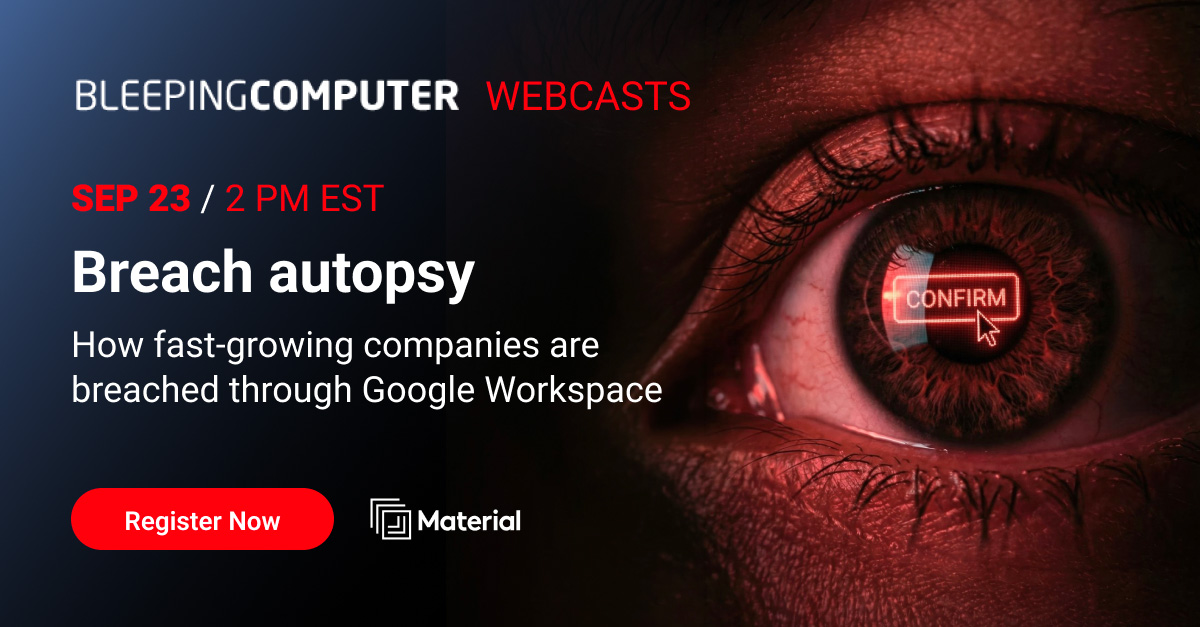
    Material Webinar

    When attackers convince users to grant access

    Social engineering attacks are often associated with tricking users into revealing passwords or other credentials. Malicious OAuth apps provide attackers with another approach: convincing the victim to authorize access instead.

    A user may believe they are connecting a legitimate application or responding to a trusted request while actually granting a malicious app permissions within their Google Workspace environment.

    The resulting access depends on the permissions granted, but the attack demonstrates why organizations need visibility into third-party applications and the access users are allowed to authorize.

    By examining two attacks that combined malicious OAuth applications with social engineering, this webinar will provide a practical look at how these breaches happen and what defenders can do to reduce their exposure.

    The upcoming webinar will cover:

    • How attackers combine social engineering and malicious OAuth applications to target Google Workspace environments
    • How users can be manipulated into authorizing application access
    • What happens during the first hours of a Google Workspace breach and which response decisions matter most
    • Which security controls provide the greatest value for fast-growing companies with limited security resources
    • Practical security improvements organizations can implement quickly, ranked by effort and potential impact

    Join us to see how malicious OAuth applications and social engineering can lead to Google Workspace breaches and what organizations can learn from real-world attacks.

    ➡ Register now to secure your spot!

    apps Breaches Google lead Malicious OAuth Webinar Workspace
    NCIJ NETWNCIJ NETWORK
    • Website

    Keep Reading

    The dark side of reselling apps: ‘If you include your pants, I’ll pay more’ | Social media

    Google Releases Gemini 4 Hydrogen: 2.5x Faster Than Gemini 3.8 Flash

    UK-EU deal will lead to ‘growing pressure’ for parliament to scrutinise legislation, warns committee – UK politics live | Politics

    Google Releases TPU Sync: Open-Source KV Cache Transfer for TPUs

    EU leaders start Friday’s summit still at odds over who should lead on Ukraine – POLITICO

    Google DeepMind Releases AlphaGenome 2 for Cell-Type-Specific Variant Effects

    Add A Comment
    Leave A Reply Cancel Reply

    Editors Picks

    Estonia latest country to ban Russian athletes as backlash intensifies

    November 14, 2026

    Vercel Releases UI SDK: 50+ UI Behaviors for AI Coding Agents

    November 14, 2026

    From Ukraine to Gaza, this is why we need to tell better stories about war | Charlotte Higgins

    November 14, 2026

    Bessent Faults Commerce Dept. for Failing to Blacklist Megaspeed

    November 14, 2026
    Latest Posts

    Trump says he will meet North Korea’s Kim Jong Un later this year

    August 20, 2026

    Realism Is Unrealistic

    August 20, 2026

    Wisconsin tracks police use of force, but the numbers are hard to compare

    August 20, 2026

    Subscribe to News

    Get the latest sports news from NewsSite about world, sports and politics.

    NCIJ Network is an independent digital news platform delivering trusted investigative journalism, European and global news, in-depth analysis, and fact-based reporting with accuracy, transparency, and integrity.

    Facebook X (Twitter) Instagram Pinterest YouTube

    Estonia latest country to ban Russian athletes as backlash intensifies

    November 14, 2026

    Vercel Releases UI SDK: 50+ UI Behaviors for AI Coding Agents

    November 14, 2026

    From Ukraine to Gaza, this is why we need to tell better stories about war | Charlotte Higgins

    November 14, 2026

    Subscribe to Updates

    Get the latest creative news from FooBar about art, design and business.

    Type above and press Enter to search. Press Esc to cancel.