


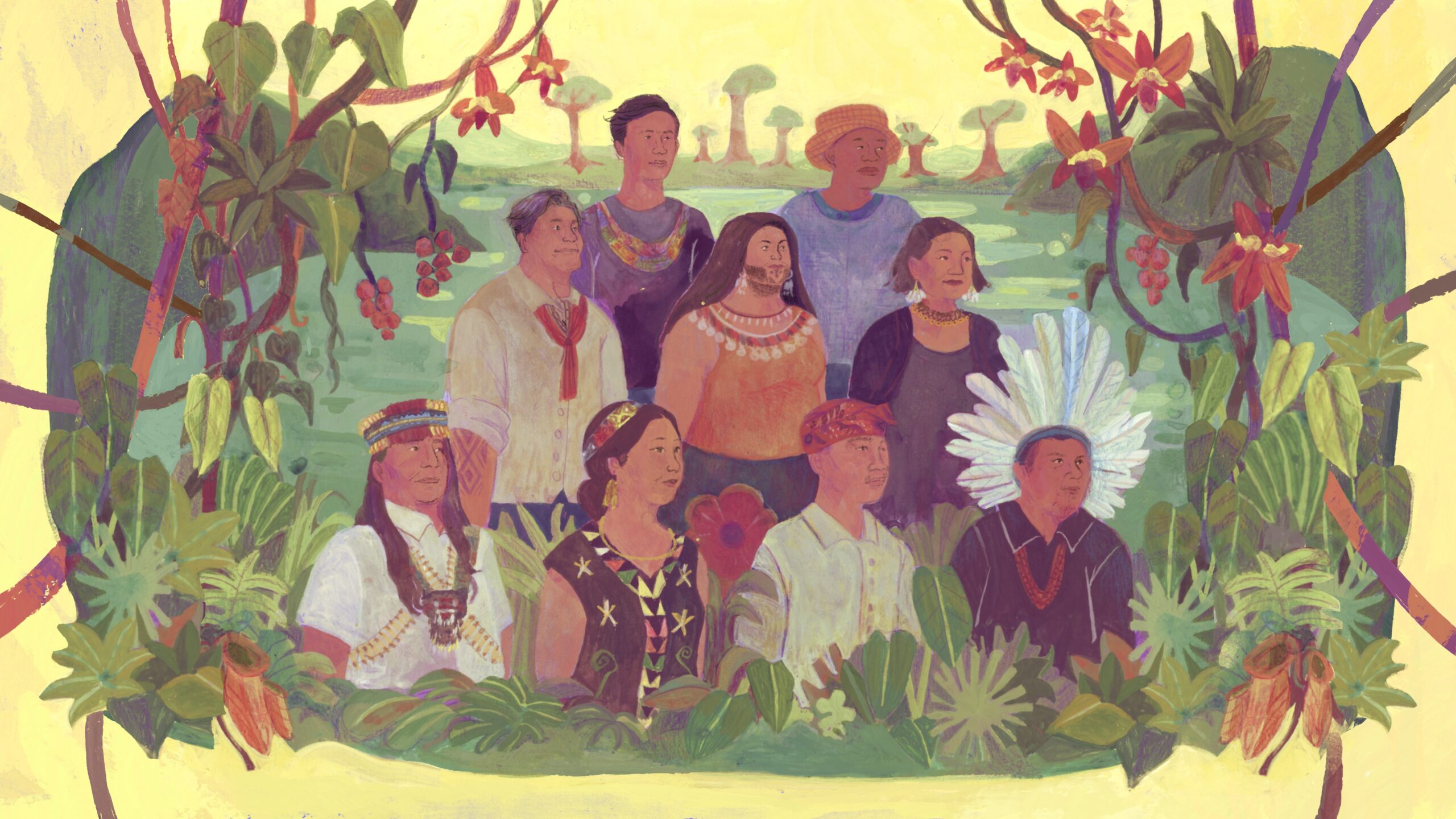
- To mark the International Day of the World’s Indigenous Peoples on Aug. 9, Mongabay has interviewed nine Indigenous representatives from around the world about the subtleties in biodiversity conservation and climate solutions implemented by people at a local level.
- Solutions discussed ranged from strategies for reforestation and halting deforestation by extractives to conserving endemic plant species and strengthening Indigenous governance and traditional knowledge.
- But conversations also included solutions that are not currently working and why, and the nuances of implementation in particular Indigenous communities.
- Little input from Indigenous communities or a lack of understanding of local realities and cultural nuances are common reasons why such solutions fail, interviewees said.
Eriberto throws his head back with a laugh and shakes it as he tills his plot of land in the Peruvian Amazon, near the Cordillera Azul National Park in central Peru.
“That does not work here,” he says with a chuckle, responding to a question about why he doesn’t call his diverse forest garden “agroforestry”.
In the past, government officials promoted planting coffee or cacao in agroforestry systems near his community. But Eriberto Guerra and other Indigenous farmers in the town of Lamas say it hasn’t been effective enough and some have rejected the sustainable farming label.
“They promoted growing just one or two other food crops with some trees,” Guerra tells Mongabay. “But you need to plant dozens of species along with traditional plants. When one crop fails or doesn’t perform well in the local market, you need to have others to make up for it. And those others need to be the right crops, planted the right way, near the right plants.”
His forest garden attracts endemic bird species and wildlife researchers, and has sustained his family for a decade, he says.
“This is what is working,” Eriberto says.
To mark the International Day of the World’s Indigenous Peoples and better understand the subtleties in biodiversity conservation and climate solutions implemented by people living at the frontlines, Mongabay interviewed nine Indigenous representatives from around the world.
In order, we spoke with:
- Jenifer Lasimbang, an executive director of Indigenous Peoples of Asia Solidarity from Malaysia
- Juan Carlos Jintiach, an executive secretary of the Global Alliance of Territorial Communities (GATC) from Ecuador
- Olo Villalaz, a representative for the Guna General Congress from Panama
- João Victor Pankararu, a youth coordinator for a regional Indigenous organization (APOINME) from Brazil
- Abdi Akbar, a director of political participation expansion at the Indigenous Peoples’ Alliance of the Archipelago from Indonesia
- Sara Omi Casama, a president of a women leaders group from Panama
- Joseph Itongwa Mukumo, a coordinator of an Indigenous forest management NGO (REPALEF) from the Democratic Republic of Congo
- Toya Manchineri, a general coordinator of the Coordination of Indigenous Organizations of the Brazilian Amazon on the Brazil-Peru border
- Valéria Paye, an executive director of the Podáali Fund from Brazil
They discussed the community-led environment and climate solutions they see are working — and not — at a local level. We also discussed the factors that make a solution more likely to succeed and the nuances of implementing certain efforts.
These interviews have been translated into English and edited for length and clarity.
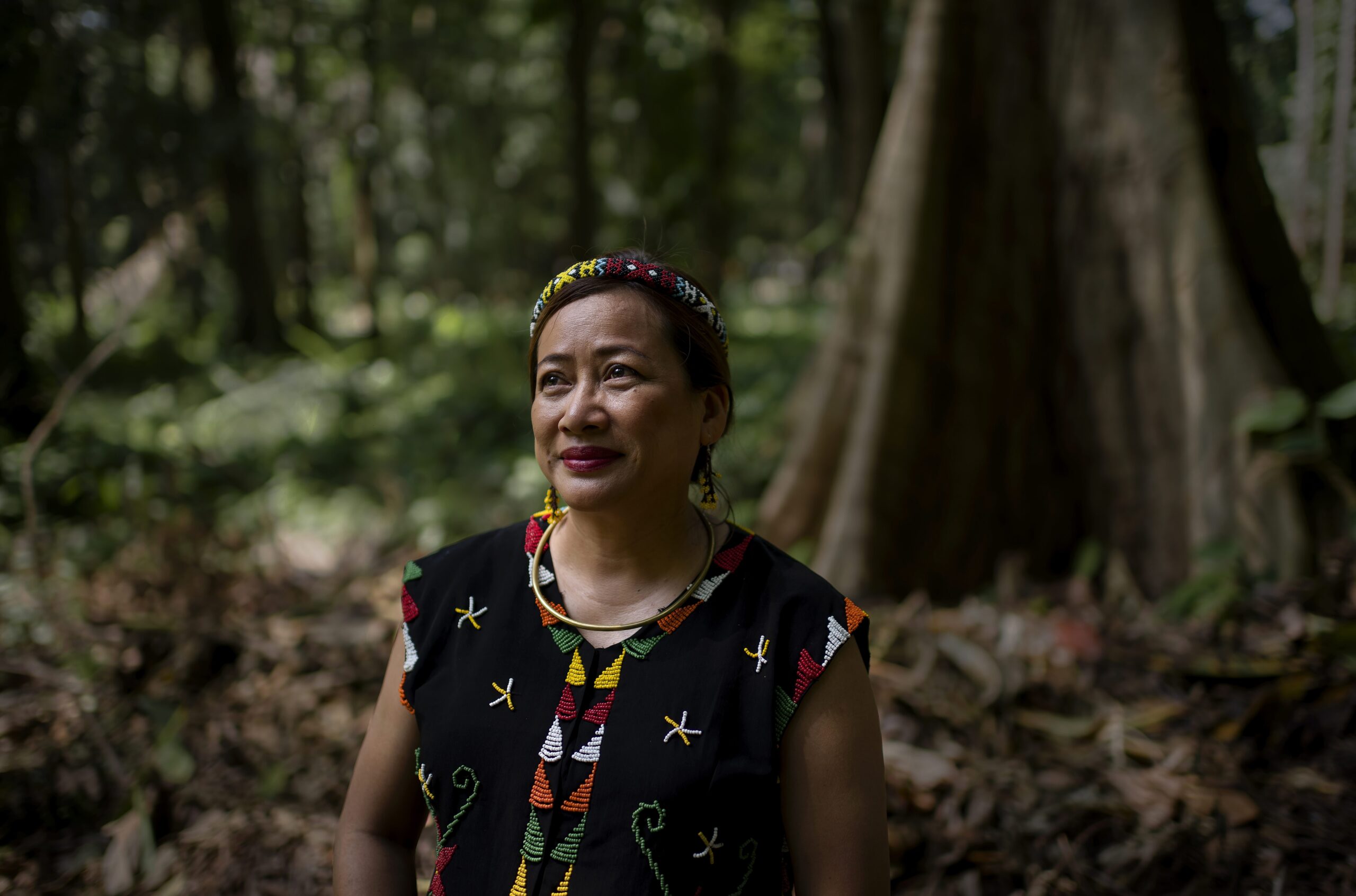
Jenifer Lasimbang, executive director of Indigenous Peoples of Asia Solidarity (IPAS) Fund and former assembly member in Malaysia’s Sabah State Legislative Assembly (North Borneo, Malaysia)
Mongabay: What solutions are currently working in your community, or in others, that don’t receive much attention?
Jenifer Lasimbang: In my community, we already have a natural resource management system practiced by Indigenous people called the Tagal system. It is a way of conserving resources and ensuring they are used sustainably. It is practiced along rivers, where we have red zones, orange zones and green zones.
The green zone is where you can harvest resources. The orange or yellow zone is where there are certain conditions under which you can harvest fish. The red zone is the breeding area, where you cannot take any resources because it is completely protected.
We are fortunate that, after more than 10 years of advocacy, this system has now been adapted and enacted into law in my area [Sabah].
Community forestry is another example and, of course, rotational or shifting cultivation is another practice that is often misunderstood. These practices are actually very sustainable, but have not been studied enough or promoted properly. Most of the time, in many countries, Indigenous peoples are prohibited from practicing shifting cultivation.
Customary approaches to natural resource management are also directly related to how we sustainably harvest and maintain resources, whether they are river resources, marine resources or resources within our territories, because we’ve established a long-term relationship with nature.
Mongabay: What are some factors that make a particular conservation or climate solution more likely to succeed in your community or in others?
Jenifer Lasimbang: One of the biggest factors is recognition.
If our basic rights, identity and our way of life are not recognized, are overlooked, then we will not have security of tenure over our territories and practices, whether it is natural resource management, our wellness programs or anything else.
I think finance is also changing now. Many of us are part of Indigenous-led funding mechanisms that allow direct access and provide real support.
We are also thinking about — we do not call it monetizing — and still developing ideas around how Indigenous bioeconomies can flourish if we create systems that generate monetary benefits. It is still about monetary gains, but the way we see it is that those gains should directly benefit our communities.

Mongabay: What solutions are currently not working? Why do you think they are falling short?
Jenifer Lasimbang: All those conservation concepts that have been imposed on us that disregard what we have already been doing and that do not fit local realities.
In many parts of the world, Indigenous peoples are still being driven away from their territories, while top-down conservation concepts continue to be imposed on us and our lands. I think some of these concepts, such as carbon offsetting and monetizing nature, will not work if they are developed without properly including Indigenous peoples. I was in a panel discussion where they said that it is expensive to maintain and monitor all these schemes. But that is because they don’t consult Indigenous peoples, and they don’t acknowledge or recognize the role that Indigenous peoples have played in maintaining these areas in the first place.
Mongabay: You very briefly mentioned some carbon projects not consulting communities. Are there any particular examples that come to mind?
Jenifer Lasimbang: Mongabay was the one that uncovered the Nature Conservation Agreement [NCA] in Sabah, created out of nowhere by our state government, that locked communities into a carbon deal. The NCA process was not done properly. There was no consultation with Indigenous communities. They did not even identify where the area was located. They simply said, “Okay, we’re going to sell this 2 million hectares of rainforest for trading.”
But we also have examples of carbon deals that work. The one that did work [with Bursa Carbon Exchange] went all the way to the Malaysia’s stock exchange for proper trading. That was the one we were involved in. The community was part of it and it can be done properly. It can work — but not the ones created by our own carbon cowboys.

Juan Carlos Jintiach, executive secretary of the Global Alliance of Territorial Communities (GATC) (Napo Province, Ecuador)
Mongabay: What solutions are currently working in your community, or in others, that don’t receive much attention?
Juan Carlos Jintiach: Many years ago, my own people’s territory (Pueblo Shuar) wanted to reduce deforestation, stop illegal logging and prevent illegal mining. These activities were coming from outside our territory.
We brought our own proposal to the table to secure the land: We proposed Nunka pénker iisar/Nunka iwiarkatniu, which means well-being or good living for the people in our territory [in the Shuar language]. It’s like a Life Plan [Plan de vida, Indigenous-led management and self-governance tools for peoples in Ecuador].
This involved understanding our own data: How much forest we have, what ecosystems exist in our territory and how we monitor them. Through this contribution to the country, we participated and collaborated in a voluntary project called the “Socio Bosque” project.
This was the first example from our territory showing how Indigenous peoples, using our own capacities and without requiring large amounts of funding, are contributing to climate solutions and protecting ecosystems. We also helped make visible concepts such as high forest and low deforestation.
If we look further south, we see similar exercises where Indigenous peoples monitor the state of rivers, how many biodiversity hotspots exist and the presence of plants, birds, animals and other elements of the ecosystem.
This type of data allows us to understand the problems happening today, how much damage is occurring in the context of climate change and how these changes are affecting our territories. We call this Tarímiat Pujutaí Nunka. Tarímiat means the territory where you live.
Mongabay: What are some factors that make a particular conservation or climate solution more likely to succeed in your community, or in others?
Juan Carlos Jintiach: It is important to recognize that when international agreements, governments and major policies are developed, they need to be translated and connected in the right way.

There are many acronyms, ideas and global projects that sound very positive. We need to make an effort to translate these global dynamics, these acronyms and ideas, and match them with Indigenous peoples’ own cosmovisions [cosmic worldviews] and perceptions. We need to develop a dialogue between different languages and ways of understanding.
Sometimes this is avoided. Sometimes people do not want to discuss these issues because there are many challenges related to political dynamics and the way situations are understood and contextualized.
We need to recognize these communities and provide legal titles and recognition under laws and constitutions. In addition, when governments develop policies or projects, they must invite us and consult with us.
Whenever I have an idea, I invite families and sit down with them. We drink tea, we share and we talk. We discuss, “Let’s do this. Let’s do that. This is the problem.” It always has to be done with us. That is the way it should be.
Finally, projects need to support the generations that are coming. It is very sad that governments and policies do not pay enough attention to future generations, to children, youth, women and elders, because it represents the destruction of families and of communities. It is very special how generations are raised and how knowledge is transmitted through language and culture.
Mongabay: What solutions are currently not working? Why do you think they are falling short?
Juan Carlos Jintiach: My job and my responsibility is as executive secretary globally for GATC, but when I return home, I work with Mother Earth.
I work with my plants, my cocoa and my teas on my land. For me, any product from the forest must have permissions and many conditions. I have to pay for certification from the government every year to show it is organic and sustainable, and this certification is very expensive.

But I already have my own certification in my culture through a chakra [an ancestral agricultural system]. It means how I manage my small portion of land, with medicine, food, economy, knowledge, wisdom, culture and spirituality. This should also be recognized and connected with policies at the national and international levels, but it’s not.
We are building Indigenous economies and global alliances, showcasing what we can do with products such as macambo [Theobroma bicolor] and other fruits that provide food sovereignty and food health. But our processes must be better recognized. There must be equity.
Mongabay: What are the most common pitfalls that prevent conservation or climate solutions from working?
Juan Carlos Jintiach: I am very worried about the future — very worried. Many people try to divide Indigenous people, buy our support and prevent us from standing together. It is very sad to see this happening between Indigenous people themselves, with many different offers being made, similar to political situations. If we do not have solidarity, if we do not maintain our unity, the future will be very difficult for us.
Politicians come and say, “I am going to do this, I am going to do that.” Of course, they make promises, but these promises are often disconnected from reality. This has to change.
Also, when we talk about finance, it is almost treated as a taboo. There is this perception that Indigenous peoples should not touch money, that Indigenous peoples are not prepared and that everything will fail. These negative perceptions and narratives need to be reversed. We need to change the paradigm and change the narrative.
We need to continue creating opportunities. Even if I fail implementing a project I received funding for, does that mean all Indigenous peoples have failed? No. It means that a specific initiative did not succeed. Failure should not be used to judge Indigenous peoples as a whole.
Governments and wealthy countries also fail. Institutions fail. So, as human beings, we need to respect governance systems.
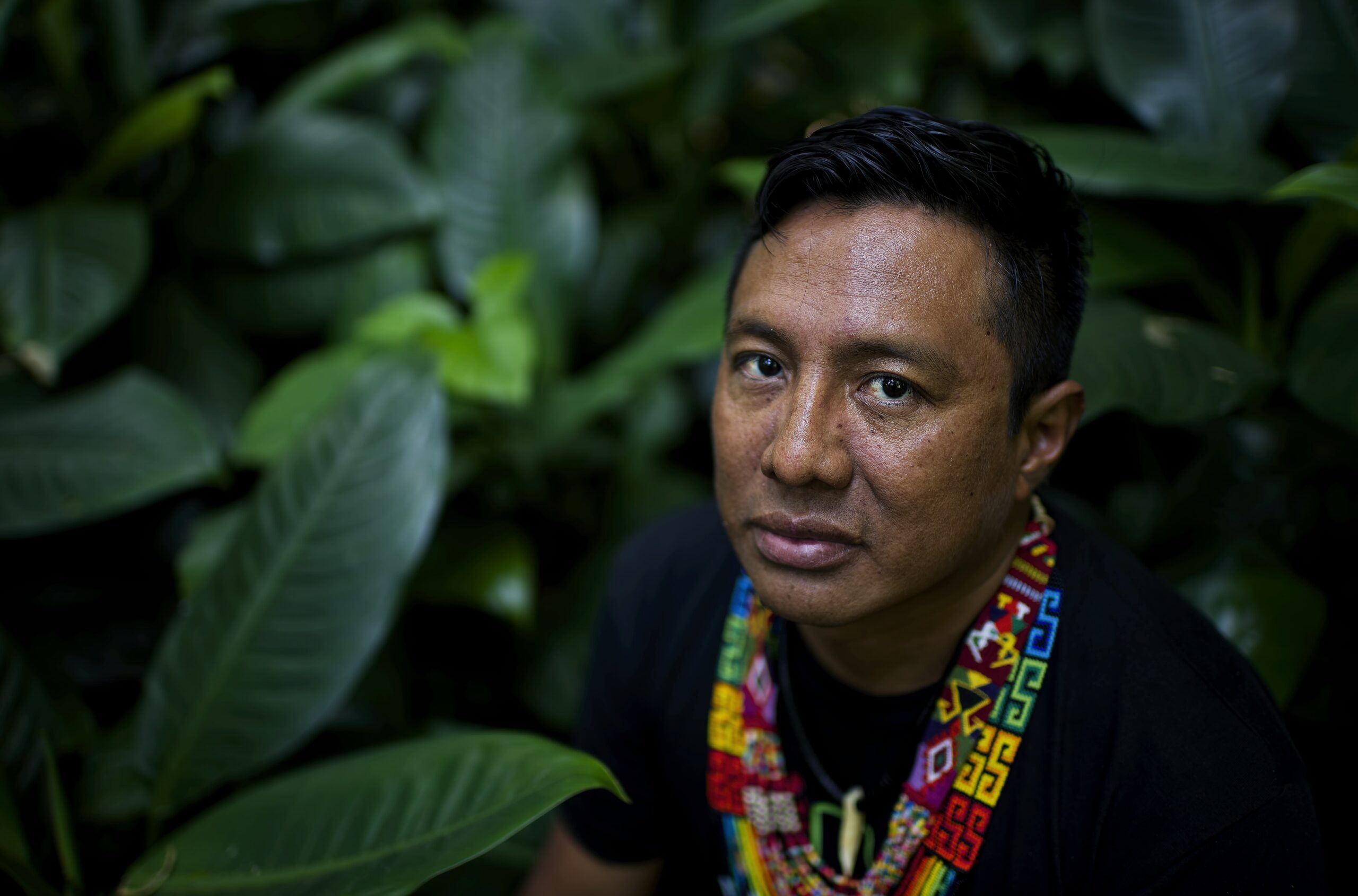
Olo Villalaz, representative for the Guna General Congress and co-founded TV Indígena (Guna Yala, Panama)
Mongabay: What solutions are currently working in your community, or in others, that don’t receive much attention?
Olo Villalaz: Across all our territories in Mesoamerica [which extends from modern northwestern Mexico to El Salvador], what’s really important is addressing deforestation and illegal mining that is entering our territories.
The territories we have in Mesoamerica are part of the Mesoamerican Biological Corridor, which connects with the Amazon. This biological corridor exists within our territories, and we are the ones taking care of it.
Today, there is enormous pressure from deforestation and livestock expansion, especially in Nicaragua, as well as deforestation pressures in Panama.
We are protecting these lands through community surveillance. They also know when they can conduct fire prevention and maintenance activities. They know which periods are dry, when droughts may occur and when there is a greater risk of fires.
Using traditional knowledge, women are also highly focused on protecting seeds, especially native seeds, and medicinal plants. They play an extremely important role in sustaining life within our territories and ensuring that future generations continue to be protected.
Mongabay: What are some factors that make a particular conservation or climate solution more likely to succeed in your community, or in others?
Olo Villalaz: Apart from land tenure, another factor we are looking into is new tools. For example, we are using drones and other new technologies. The idea is that we need to use these tools to our advantage.
Many territories are using these new technologies for monitoring. In the past, we had to walk for many kilometers through mountains without knowing what was happening in different areas. But today, within our territories, we can use drones and other technologies to monitor what is happening.
We can also train ourselves to ensure that we are using these technologies effectively. We can collect data to care for our territories. Today we can actually see where deforestation is occurring, which trees we are losing, what wildlife is disappearing in certain areas and what wildlife is returning. We can also monitor the quality of river water and measure changes over time.
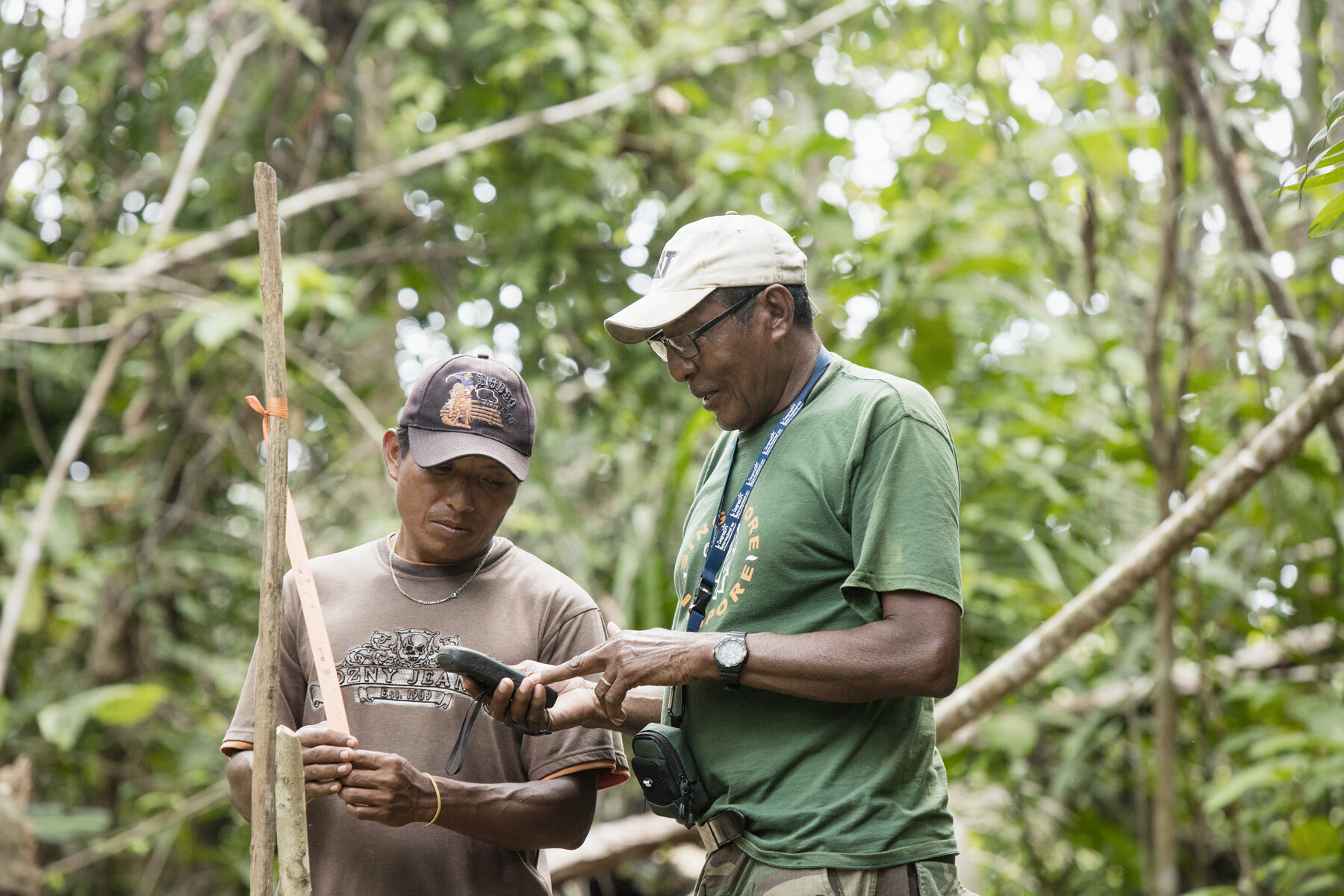
These alternatives and tools help us create databases, strengthen monitoring systems and improve surveillance and follow-up.
However, this does not mean that every project needs to use these technologies. The important thing is that we now have better information about where the problems are and where we need to direct our efforts.
We also need to strengthen governance to help us reconnect with and relearn what elders have always transmitted to us. This is the only home we have. That is why we need to continue loving it, caring for it and protecting it.
New generations are increasingly influenced by Western systems, where the idea is that you only do work if you are paid. If you are not paid, then you may not continue doing it.
Mongabay: What solutions are currently not working? Why do you think they are falling short?
Olo Villalaz: An issue is that goals are measured differently, and perhaps for some organizations a project may not be considered a success, while for us it would be a complete success in another way.
Let me give you an example: medicinal plants. An organization supporting the planting of medicinal plants might measure success after one month or one semester. But for us, we need to look beyond that. We need to consider whether those medicinal plants will continue to exist, whether they will continue to heal different illnesses and whether future generations will still have access to them.
I believe that when projects are aligned with Indigenous ways of life, they can be a true success. But if projects are designed only from offices or from abroad, in ways that are disconnected from our realities, they will fail because organizations will not fully understand our ways of living.
Mongabay: What are the most common pitfalls that prevent conservation or climate solutions from working?

Olo Villalaz: Very few programs or projects have long-term financing. Most of them rely on short-term financing. For example, a project may be implemented for one year and everything goes well. But then the question is: What happens afterward? There are not enough long-term programs and projects.
Recently, I was part of a one-year project and communities were already asking, “What will we do in the second year if we are no longer receiving that support?” Many times, communities are left to assume these risks and figure out how to continue. Economically, they may have to invest their own resources or they may have to stop the work altogether. So short-term financing is a major problem.
Another issue is excessive bureaucracy. In previous years, we have worked hard to build trust with donors and organizations. We have invested a lot of effort into this because, from our perspective, many of the requirements being requested are not necessary or do not reflect the realities of our territories.
For example, if we are working with traditional knowledge, who should I turn to? An elder who has knowledge about medicinal plants. But what does the organization ask for? They say, “I need someone with a PhD or a master’s degree as proof of expertise.” That requirement is often at odds with our reality.
It is therefore important that organizations supporting us understand the realities of where projects are being implemented.
They also need more trust in the administrative capacities of Indigenous organizations. I believe there is still a lot of mistrust and a perception that Indigenous organizations cannot manage funds. However, in recent years in Mesoamerica, we have been working to demonstrate our capacities through activities such as supporting, monitoring, learning and collaborating.
Fortunately, we have gained more trust in this area. Almost all territories have created their own regional funds. These are territorial funds created by Indigenous peoples themselves to sustain their own capacities and capabilities.
There’s also a lack of collective decision-making in some projects. If projects are carried out by only two, three or four people, and only those individuals are responsible for protecting the territory, they will not have the same impact as when the whole community is involved. When we work collectively, our efforts go much further because we are thinking beyond ourselves and beyond the present moment.

João Victor Pankararu, youth coordinator for the Articulation of Indigenous Peoples and Organizations of the Northeast, Minas Gerais, and Espírito Santo (APOINME) (Pankararu land, Brazil)
Mongabay: What solutions are currently working in your community, or in others, that don’t receive much attention?
João Victor Pankararu: We have traditional practices related to water storage and protecting water resources, taking into account that our region has irregular rainy seasons, especially due to climate change.
In the northern part of Brazil, we have very important rivers. We have a river that connects two regions and crosses through our territory. The waterways that come into Indigenous areas are very well cared for to prevent them from being invaded or contaminated.
It is not possible to completely prohibit people from using water, but there are protections in place for certain areas where animals drink water (in order to protect people from becoming infected). There are reservoirs that communities can use for cleaning, as well as other areas that are exclusively reserved for drinking water. In addition, there are areas where water has a spiritual purpose. These areas should not be violated.
We also carry out reforestation activities by planting native species, especially in areas impacted by the presence of large enterprises nearby or drought. We choose to plant trees that grow quickly in order to support forest regeneration.
Mongabay: What are some factors that make a particular conservation or climate solution more likely to succeed in your community, or in others?
João Victor Pankararu: Community initiatives, especially initiatives that involve the whole community and the different actors within the community.
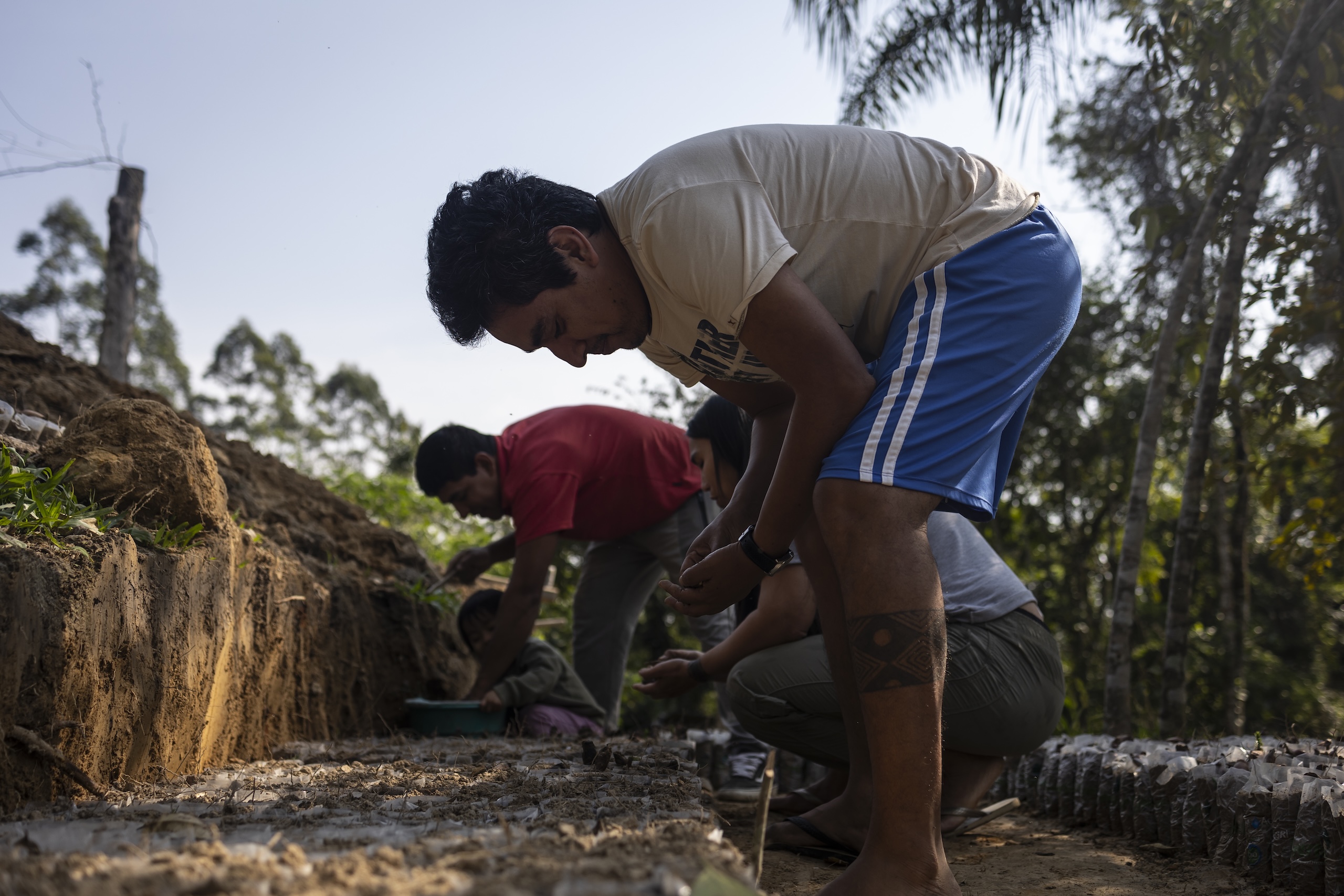
However, when initiatives are implemented in isolation from the community, they are less likely to succeed because they often lead to a lack of engagement from the population. Activities that emerge from within the community are more effective because they mobilize more partners and bring more people together.
Mongabay: What solutions are currently not working? Why do you think they are falling short?
João Victor Pankararu: There is a need to seek renewable energy solutions, for example. However, when these initiatives are implemented in our territories, they have too often caused damage. In my territory, for example, we have been heavily impacted by hydroelectric power plants and solar energy projects.
These are very large investments, and big electricity-generation projects have affected our lands. Around 90% of some areas have been privatized, with the land occupied by large electricity transmission towers that carry power to different regions.
At the same time, our communities are prevented from accessing quality electricity, and we do not even have access to drinking water in some areas. Sometimes communities cannot access certain water sources in the regions where they live.
These are very good initiatives in principle, as they were planned to generate renewable energy. However, they do not benefit communities, because some of these projects prevent Indigenous communities from accessing water and the infrastructure was built without properly consulting the communities. There was also no compensation provided to the communities living in the areas where these investments were implemented.
Mongabay: What are some other common pitfalls that prevent conservation or climate solutions from working?
João Victor Pankararu: There are many obstacles we face in Brazil. Brazil is one of the countries where there are significant attacks against Indigenous peoples who are fighting for Indigenous rights.

There are also government institutions in Brazil that have the mandate to oversee and regulate the recognition and delimitation of territories so we can govern the lands, but they are not fulfilling their responsibilities.
There are many business interests and industries along with people who directly influence the development of national policies that do not prioritize biodiversity protection. For example, there is the use of agrotoxins, as well as the exploitation of Indigenous lands, which weakens the management and protection of these territories.
I’ll share more. There’s a logic where, sometimes, people who design environmental projects do not fully understand the communities or the territories. Each community has its own particularities, which are very specific, and it is important for us to maintain this diversity.
There are different approaches that can be used to support different communities, allowing Indigenous peoples to determine for themselves the best ways to receive and implement support.
As Indigenous peoples, we have built our own Indigenous visions, which is different from the vision that was imposed during the colonial period, a period that attempted to portray Indigenous peoples as incapable or lacking skills.
We want to bring this into politics, advocacy, global engagement, academic knowledge production, communication, media, technology, management and leadership.

Abdi Akbar, director of political participation expansion at the Indigenous Peoples’ Alliance of the Archipelago or AMAN (South Sulawesi, Indonesia)
Mongabay: What solutions are currently working in your community, or in others, that don’t receive much attention?
Abdi Akbar: The first is participatory mapping of Indigenous territories. This is not only about creating maps. It provides the foundation for protecting our Indigenous territories and establishing zones based on the customary laws that exist in our communities, for example rules to protect certain forests. AMAN is mapping lands across the country.
Another initiative with positive outcomes is the rehabilitation of Indigenous territories, especially in critically degraded areas. We carry out this work in areas that have been damaged by mining, large-scale plantations, such as oil palm plantations, extractive industries or natural disasters. We begin by planting native tree species that are best suited to the local ecosystem. Many native plants and tree species have become rare or are close to disappearing, so one of our priorities is to replant them.
Rehabilitation is also about using participatory maps to strengthen land-use zoning based on Indigenous laws and ensuring that these customary regulations are applied. Everything is connected.
In terms of zoning, we want to reestablish spatial planning within our territories. As our communities grow and populations change, our land-use needs also evolve.
However, rehabilitation must be connected to Indigenous knowledge. Before we restore the land physically, we first need to restore the way people think. The modern era and extractive economic systems have changed how many people view and interact with nature.
So, a key initiative is Indigenous schools. We established these schools to ensure that Indigenous values, traditions, knowledge and a relationship with nature are passed on from our elders to the next generation. In today’s modern era, many young people in our communities have access to formal education. While this is important, it has also changed the way some of them see the world, influencing their perspectives and mindsets. That is why Indigenous schools are so crucial.
Mongabay: What are some factors that make a particular conservation or climate solution more likely to succeed in your community, or in others?
Abdi Akbar: First, we need to ensure that Indigenous peoples and Indigenous organizations are strengthened. In both the Indonesian and global contexts, one of the most important solutions is to establish direct financing mechanisms that are led and implemented by Indigenous peoples. It strengthens Indigenous organizations, supports Indigenous leadership, improves the governance of Indigenous territories and reinforces our customary systems and regulations.
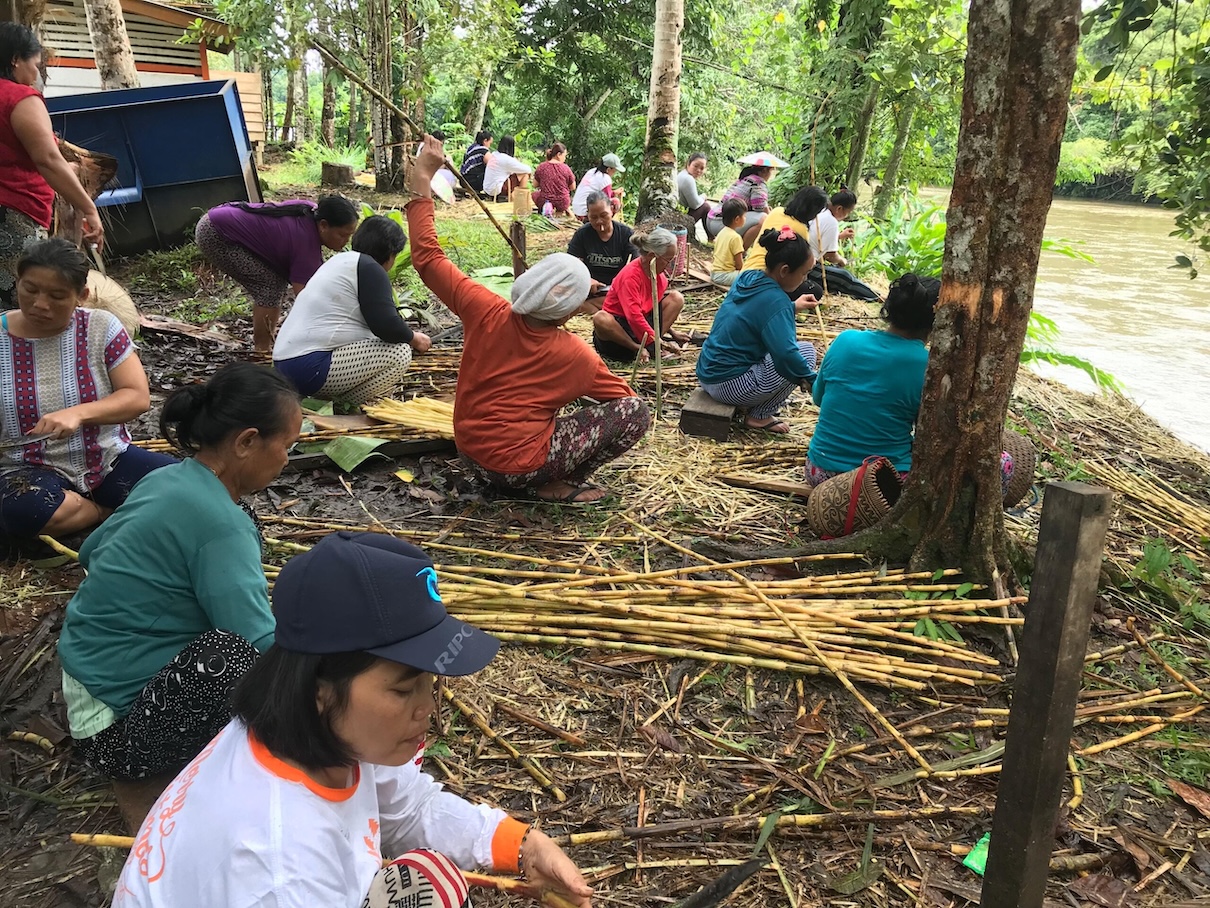

We also ensure the meaningful participation of women and youth throughout the process [of any conservation or climate solution]. The initiatives we find successful are led and decided by Indigenous peoples themselves, so the solutions are designed around local needs, traditional knowledge, and community priorities.
Mongabay: What solutions are currently not working? Why do you think they are falling short?
Abdi Akbar: In many cases, programs are designed without being aligned with the context, priorities and needs of Indigenous communities.
For example, there are carbon projects, carbon markets and carbon offsetting initiatives not based on Indigenous rights. There are also rigid conservation models that restrict Indigenous peoples’ access to their territories, as has occurred in national parks in Kalimantan [the Indonesian portion of Borneo]. For us as Indigenous peoples, we have always practiced conservation, even if we do not use that term. We have many different names for these practices in our languages and they are embedded in our customary governance systems.
When Indigenous peoples are no longer able to access territories because they have been designated as protected areas, this disconnects people from nature, even though that relationship had existed in harmony for generations.
Mongabay: What are the most common pitfalls that prevent conservation or climate solutions from working?
Abdi Akbar: Many externally designed solutions fail because they focus primarily on bureaucratic processes, economic interests and market-based approaches, rather than recognizing and respecting Indigenous rights. As a result, they are implemented through a top-down approach instead of being developed with Indigenous communities.
That approach basically ignores the reality on the ground, especially for Indigenous peoples. It also ignores the governance systems that Indigenous communities have already established. Decisions about programs and solutions are made by donors or project implementers, rather than by Indigenous peoples themselves.
I think that is one of the biggest reasons why so many of these solutions fail.
We also do not receive enough support or attention, particularly from our government. However, we continue to receive support from international organizations that recognize the importance of these initiatives.
We cannot do this alone. We need greater support and collective action. Working together will make these efforts more impactful and strengthen their contribution to climate solutions.
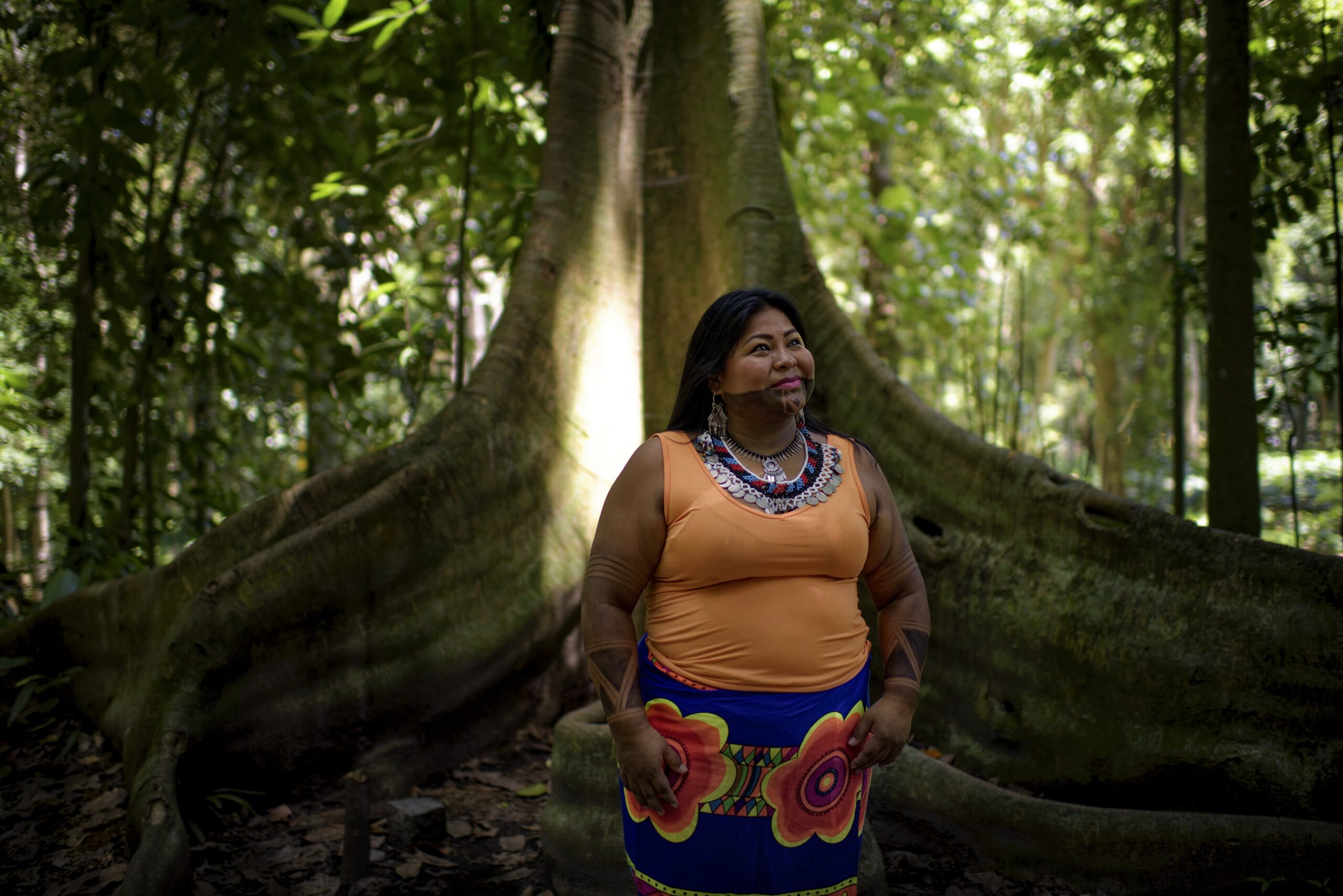
Sara Omi Casama, president of the Coordinator of Territorial Women Leaders of Mesoamerica, which serves under the Mesoamerican Alliance of Peoples and Forests (AMPB) (Ipetí Emberá, Panama)
Mongabay: What solutions are currently working in your community, or in others, that don’t receive much attention?
Sara Omi Casama: I come from a territory where my grandparents were forcibly displaced by development projects while they were caring for and tending to their ancestral forests. Today, we find ourselves rebuilding as a community.
I say this to highlight our models of adaptation: Despite dispossession and despite violations of our rights, we have managed to reclaim the way of life of our grandparents.
We are healing a deep wound by continuing to restore our forests. When we talk about restoration, we are not only talking about planting trees; we are also talking about restoring our minds and our hearts.
There are positive examples within my community and across the Mesoamerican region that demonstrate what is possible. One of the things we have been advocating for is greater attention from academia and the scientific community toward Mesoamerica, because our region remains invisible in many ways.
We continue sharing knowledge and experiences: The factors that contribute to biodiversity conservation, climate adaptation and the strengthening of Indigenous territories.
Among the best practices I can highlight is the work carried out through the Mesoamerican Alliance of Peoples and Forests and through the Coordinating Committee of Mesoamerican Territorial Women. One important example is our funding mechanism, which is based on principles developed from the grassroots level and rooted in the governance structures of our territories.
Mongabay: What are some factors that make a particular conservation or climate solution more likely to succeed in your community, or in others?
Sara Omi Casama: Working hand in hand with communities while ensuring that our voices are represented. For example, every year, the Mesoamerican Territorial Fund also seeks to directly reach communities by working with their own governance bodies and with Indigenous women.

For me, these are examples that are moving in the right direction and that have the potential to be highly successful if they receive greater support. They also create opportunities for us to engage directly with decision-makers and move toward solutions that are grounded in the realities, needs, and visions of our communities.
Mongabay: What solutions are currently not working? Why do you think they are falling short?
Sara Omi Casama: There are still not enough mechanisms or tools that prioritize cultural relevance and that can truly create an impact within our territories.
Many programs and projects are carried out in the name of Indigenous peoples or in the name of protecting Mother Earth and claim to bring solutions to our territories in response to the impacts of climate change.
However, the majority of programs and projects are designed from above, from outside the territory, by people who do not understand the realities faced by our communities: the realities of women, elders, children and youth.
This is where conflicts emerge. Instead of seeking comprehensive solutions for our territories, these approaches often weaken the collective spirit and, above all, undermine the territorial vision and worldview of our communities. As a result, many of these programs and projects ultimately fail.
There are also projects that don’t guarantee our rights or that there is respect and that free, prior and informed consent from our communities is upheld in all decisions that affect us.
We also continue to raise the same concerns regarding Indigenous women, who are still being excluded from many opportunities.

Mongabay: Do you have any specific examples?
Sara Omi Casama: In Panama in 2015, there was a program called Techo de Esperanza [Roof of Hope]. The program focused on development and aimed to help families overcome poverty by providing housing solutions. However, it was a general national program that lacked cultural relevance. When it reached Indigenous territories, communities were essentially told, “Take it or leave it.”
Many families who needed housing accepted the option because it was something the government was offering, but the solutions implemented were not adapted to our realities. They overlooked proper sanitation, bathrooms and infrastructure that would ensure public health within our communities.
At the same time, these solutions disrupted the essence of our traditional homes. Our traditional houses are not simply physical structures; they represent education, learning, family relationships, community harmony and cultural identity. When those elements are removed, the result can actually create greater difficulties for families rather than improving their wellbeing.
These are examples of programs that negatively impact our territories because they often arrive without follow-up or evaluation. There are no processes to understand whether they are truly working or whether they are creating new challenges. They are simply introduced into the territory and communities are left to adapt as best they can.
Sometimes new interventions introduce elements that do not align with our worldview, without consultation and without seeking alternatives or mechanisms that would allow us to maintain our own structures.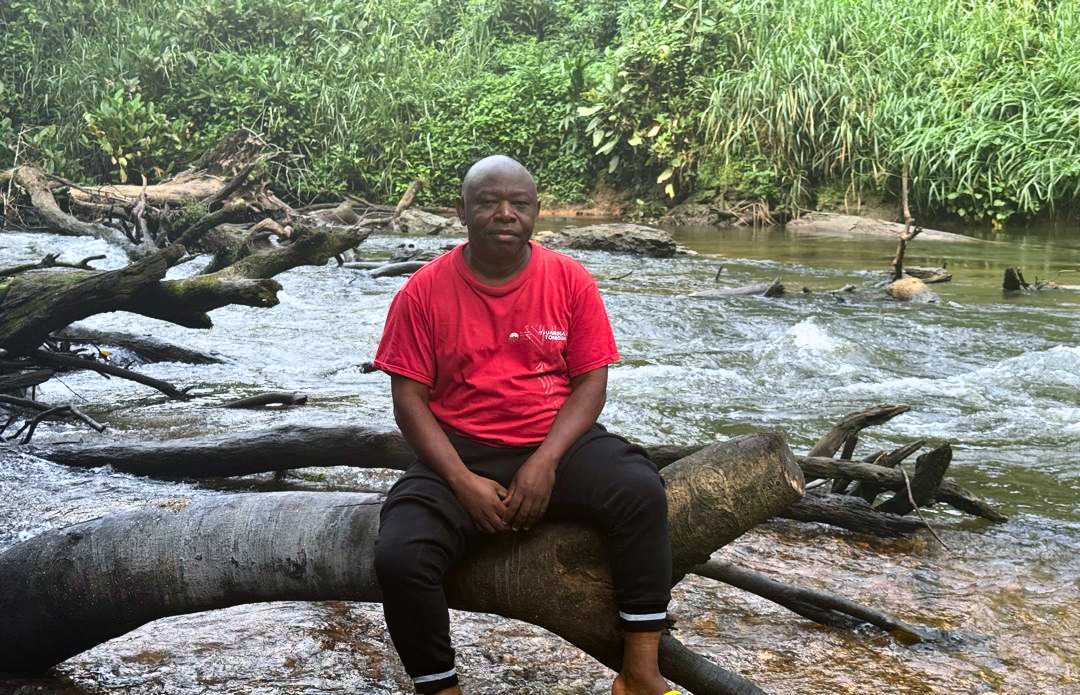
Joseph Itongwa Mukumo, coordinator of the Network of Indigenous Peoples and Local Communities for the Sustainable Management of Forest Ecosystems (REPALEF) and member of member of REPALEAC (North Kivu, Democratic Republic of Congo)
Mongabay: What solutions are currently working in your community, or in others, that don’t receive much attention?
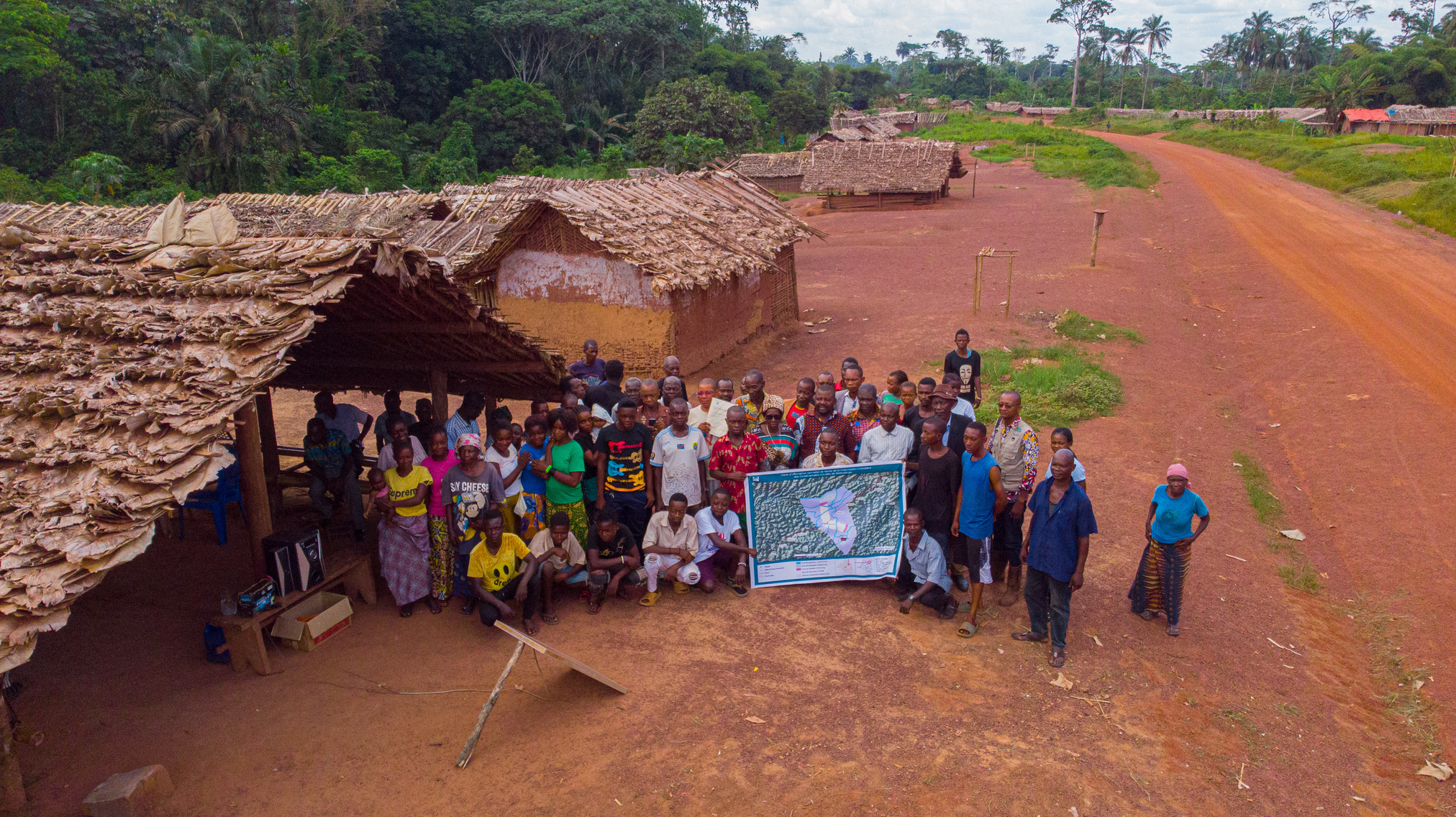
Joseph Itongwa Mukumo: One example is Kisimbosa, a community forest [in eastern DRC] managed by the Indigenous people of my own community in the Congo Basin. This forest is exceptionally rich in biodiversity and has been conserved by Indigenous peoples for generations. Today, it is legally recognized under the Community Forest Law. Communities have also established forest monitoring practices to guard against external threats and to raise awareness among young people about the importance of protecting these places.
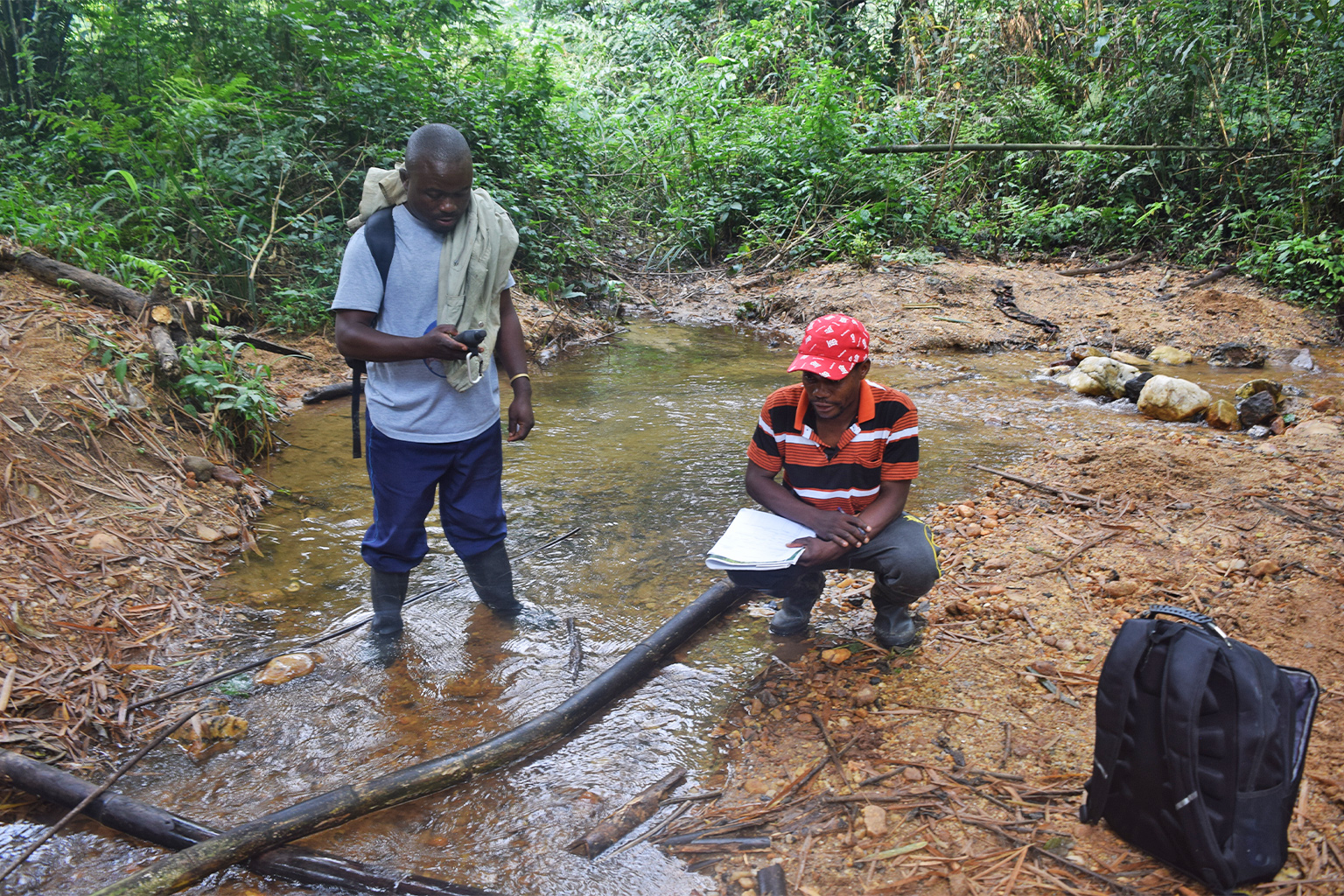
Researchers from institutions such as the University of Kisangani have demonstrated the remarkable biodiversity found in Indigenous-managed territories, particularly with respect to fruit tree species, forest flora and the traditional management practices that ensure the sustainable stewardship of forests and biodiversity. Professor Raoul, a researcher specializing in forestry, demonstrated that the deforestation rate in our territory was approximately 0.3%, significantly lower than in neighboring areas occupied by other communities.
Similar examples can be found in the Kisimbosa forest reserve [in North Kivu] and in Kiri Territory, in Maï-Ndombe Province [western DRC], where an Indigenous-conserved area known as Koto once more demonstrates the effectiveness of Indigenous stewardship.
We have devoted considerable effort to documenting and bringing back to life our traditional practices that help maintain biodiversity, protect forests and rivers, conserve plant species and sustain wildlife. And, according to our customary rules, certain destructive practices are simply forbidden.
Our fishing practices also follow ecological cycles. During the rainy season, many fish migrate from large rivers into smaller streams. We know this is the appropriate time for collective fishing. Because we understand these migration patterns, we avoid clearing forests, cultivating fields or carrying out agricultural activities along the banks of these streams. Disturbing these habitats would damage the ecosystem and reduce fish populations in the future.
Mongabay: What are some factors that make a particular conservation or climate solution more likely to succeed in your community, or in others?
Joseph Itongwa Mukumo: To ensure these traditions continue, we pass our knowledge on to younger generations. We even maintain traditional schools where young people learn these teachings directly from their elders.
A priority is strengthening the capacity of Indigenous communities themselves, especially young people, who are the future guardians of our forests. Education, training and formal schooling are essential so that they can respond effectively to the external pressures affecting their territories. They need the knowledge and skills to understand national policies, engage in decision-making and defend their rights using the same language and legal tools as those who seek to exploit these lands.
The same is true for Indigenous leaders. Across our communities, local leaders need stronger capacities so they can advocate effectively for their peoples, understand the policy landscape and respond when their territories are threatened.
Our work focuses on solutions that come from within our own communities; not imported solutions, but solutions rooted in our values, traditions and the revitalization of our cultural practices.
Mongabay: What solutions are currently not working? Why do you think they are falling short?
Joseph Itongwa Mukumo: In 2022, the DRC adopted its law on the promotion and protection of the rights of Indigenous peoples, including the right to consultation before any decision is made regarding the use, exploitation or development of lands that Indigneous peoples have occupied and relied upon for generations.

However, this is not yet the reality. The implementing measures needed to enforce the law have still not been adopted, leaving many Indigenous territories vulnerable to exploitation without consent (free, prior and informed consent) or benefit-sharing despite the legal protections.
In response, one of our priorities has been to ensure that Indigenous-community-managed conservation areas are formally recognized within Indigenous territories, particularly where there is clear evidence that these lands maintain exceptional biodiversity and remain largely undisturbed.
To date, we have identified and mapped more than 40 Indigenous-community-conserved areas —our territories of life— covering approximately 700,000 to 800,000 hectares (1.7 million to almost 2 million acres].
We were able to influence this process at the national level and today community-managed conservation areas are officially reflected among the country’s national conservation objectives and contribution to the global 30×30 target, the commitment to conserve 30% of the world’s terrestrial and marine areas by 2030.
We have also begun advocating for the integration of community-managed conservation areas into forestry governance, both within the revised Forest Code and in related forestry legislation currently under review.
Mongabay: What are the most common pitfalls that prevent conservation or climate solutions from working?
Joseph Itongwa Mukumo: Among the challenges are the discrimination, marginalization and unequal status that Indigenous peoples continue to face. These realities mean that our traditional knowledge, cultural values and customary conservation practices are often not recognized by others as important contributions to biodiversity conservation.
Another challenge is the gradual loss of cultural values among Indigenous youth. Many young people grow up experiencing discrimination and seeing their culture devalued. As a result, some begin to underestimate the importance of their own traditions that sustain these ecosystems and believe that the values of others are more important.
Our territories also face growing external threats from things like logging, mining and armed conflict, especially in eastern DRC where there is intense competition over our natural resources. These pressures force Indigenous peoples from their ancestral lands. Indigenous peoples can only continue practicing and transmitting their traditional knowledge if they are able to live safely on their lands and benefit from the resources they protect.
Poverty is another major obstacle. When communities lack basic resources and are already living in conditions of hardship, they become more vulnerable to letting in external pressures.
Indigenous communities continue to face significant barriers in accessing the financial support needed to sustain and strengthen their conservation efforts.
Finally, one of the greatest challenges remains the lack of legal recognition for many Indigenous territories. Many ancestral lands we are protecting still have no secure legal status, leaving them vulnerable to encroachment and exploitation.
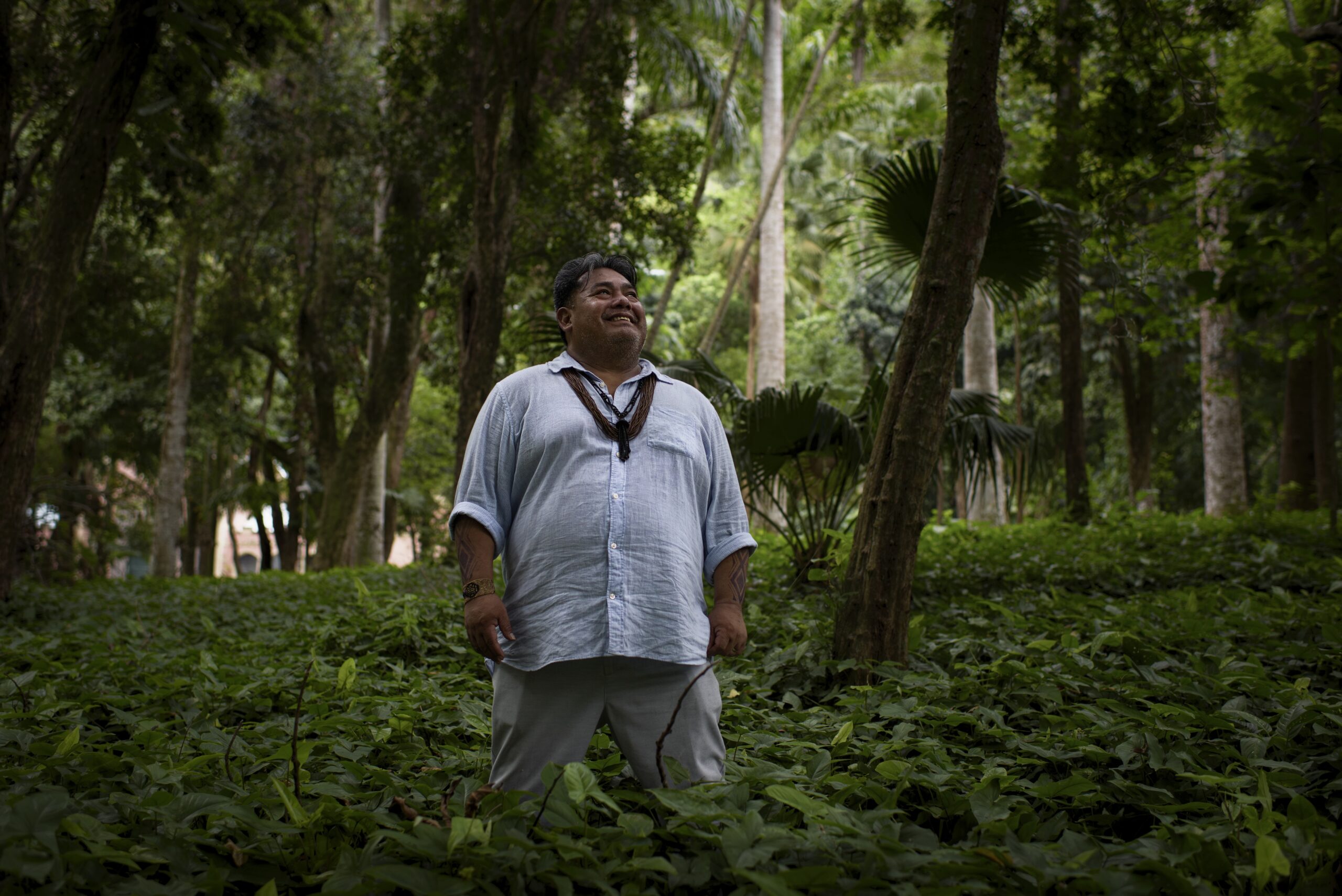
Toya Manchineri, general coordinator of the Coordination of Indigenous Organizations of the Brazilian Amazon (COIAB) (Mamoadate, Brazil-Peru border)
Mongabay: What solutions are currently working in your community, or in others, that don’t receive much attention?
Toya Manchineri: One of the key issues we are working on in the Brazilian Amazon for environmental preservation is the demarcation of Indigenous territories. Today we have more than 100 million hectares [247 million acres] of Indigenous territories.
These legal territories prevent the expansion of industrial agriculture, store carbon and help regulate temperatures, which is fundamental.
In Indigenous territories, we also have data showing that deforestation rates are very low in our lands. In some territories, deforestation accounts for only 1% to 2% of the total area.
Outside Indigenous territories, however, deforestation is much greater, particularly due to agricultural expansion and monoculture production, especially soy and other large-scale crops.
Mongabay: What are some factors that make a particular conservation or climate solution more likely to succeed in your community, or in others?
Toya Manchineri: Projects that create positive impacts are those that strengthen household economies while also strengthening community organization.
However, if a project is focused only on economic benefits, it will not produce positive results because communities also want to live well within their territories and maintain their ways of life.
We need to look at the territory, the land and the resources not as objects for trading or as things that can simply be translated into money.
The forest is a big village for many of us. We do not look at the forest as simply a forest, because it contains life, culture, plants, Indigenous knowledge and an understanding of how the world works. We need to look at life and spirituality so that we can heal our souls and take actions that truly contribute to the people who need support.

For example, if a family has $1 billion, where should those resources go? We need to learn how to share resources. We need to look back to the past and remember that there is a need to share with others.
Mongabay: What solutions are currently not working? Why do you think they are falling short?
Toya Manchineri: In the 1970s and 1980s, there were initiatives to plant coffee in Indigenous territories. Indigenous communities invested in coffee production, but many people did not have knowledge of how to cultivate coffee. These practices also reminded them of the history of slavery and, as a result, the projects did not succeed.
Another project organized by the Brazilian government was the hydroelectric power initiative, which divided communities who had different opinions and caused environmental pollution. Today, despite these impacts, the energy produced should be cheaper, but it’s not.
These examples show that projects that do not come from the community and do not involve the community in the process will never truly work.
Mongabay: What are the most common pitfalls that prevent conservation or climate solutions from working?
Toya Manchineri: Projects that are developed using a top-down approach may sometimes be received by communities as beneficial, but they are not based on the common practices or priorities of the communities themselves.
As an Indigenous movement, all the projects we carry out in Indigenous territories are implemented for and with the community. If a project is designed by the community, it will be more likely to succeed.
We should focus on what communities actually demand and prioritize activities based on those needs, so that they are not only sustainable but can also contribute to the economic stability of local communities.
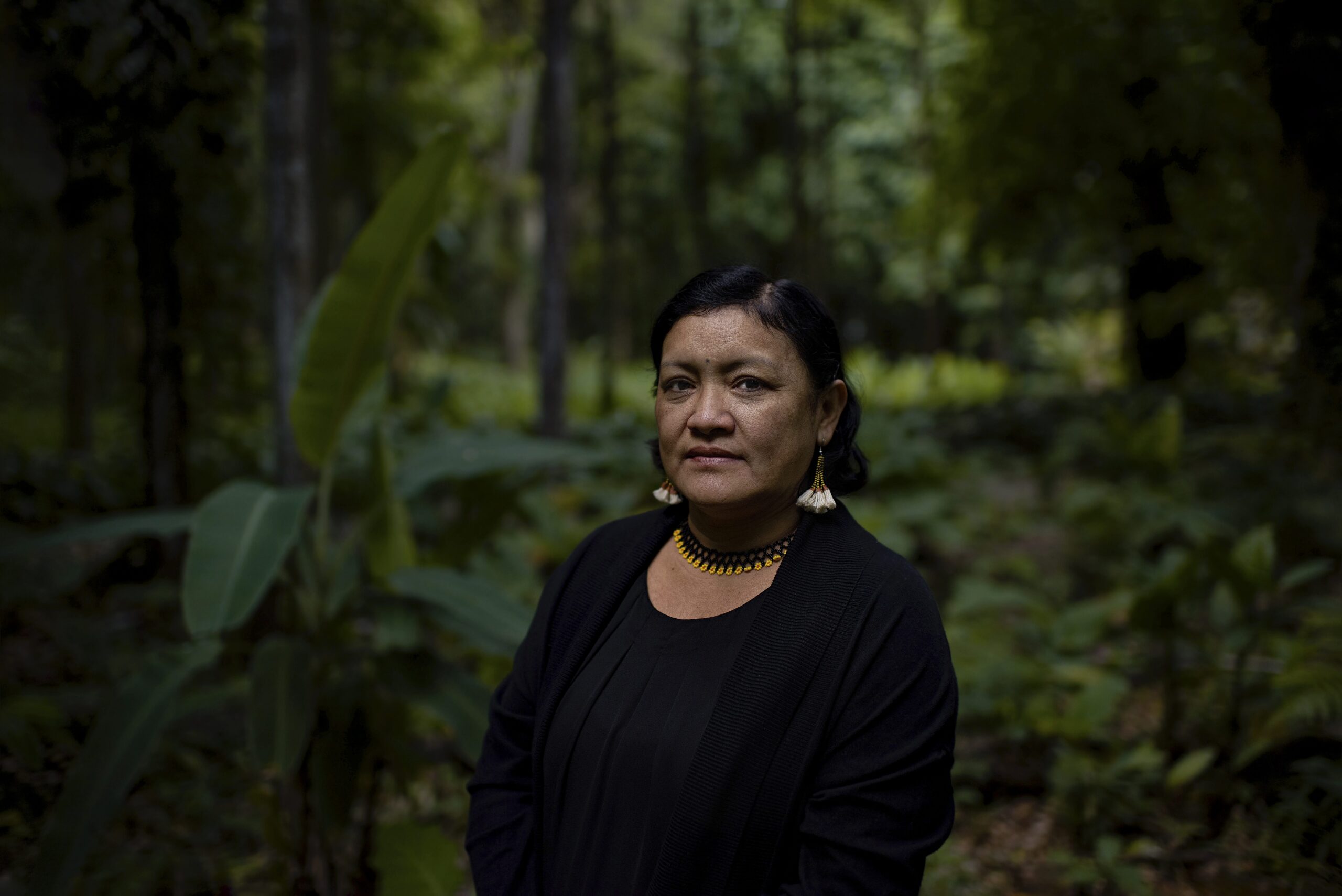
Valéria Paye, executive director of the Podáali Fund (Brazil)
Mongabay: What solutions are currently working in your community, or in others, that don’t receive much attention?
Valéria Paye: There are collectives of people, such as forest guardians, who are restoring degraded lands and protecting important areas such as headwaters and regions that are essential for maintaining water systems.
These guardians also work on the protection and management of wildlife numbers. Indigenous peoples have traditional practices for managing species such as turtles, caimans and other animals. This is connected to our food systems because these animals are part of our biodiversity and food security.
There are also guardians who work to prevent and fight forest fires, which have increased in some parts of Brazil.
Even official data from IBAMA [Brazil’s environment authority] recognizes that Indigenous peoples are important allies in forest protection. We know that most fire brigades are made up of Indigenous people who are working within their territories to protect their own lands, as well as neighboring territories of other peoples.
Mongabay: What are some factors that make a particular conservation or climate solution more likely to succeed in your community, or in others?
Valéria Paye: Many conservation efforts require long-term political support and continuous state involvement. They need consistent support that can continue over time.
Our funding mechanisms at Podáali Fund can support initiatives for a specific period, but these broader efforts require longer-term support from governments and institutions.
I will also say: Solutions need to involve Indigenous peoples from the beginning and must be built from the realities of the people who are working in those territories. When solutions are brought by outsiders without consultation, they become increasingly inefficient.

Mongabay: What solutions are currently not working? Why do you think they are falling short?
Valéria Paye: These forest guardian and Indigenous fire brigade efforts have limitations, especially regarding access to support, equipment and protective materials.
The resources provided are often not permanent and this is something we hear directly from people working in these brigades.
For example, the government may establish a fire season and say, “We will support you from August to September.” But if fires occur outside of that period, communities often do not receive the necessary support. Some carry out these activities independently, outside the periods defined by the government.
This means there is a gap in protection at other critical times of the year. At Podáali Fund, we provide support, but we also face limitations because we can only support projects that have a defined beginning, middle and end. When those projects finish, our support also ends.
Mongabay: What are the most common pitfalls that prevent conservation or climate solutions from working?
Valéria Paye: I want to highlight something: complexity. For those of us from the Amazon where there are many borders, there are additional challenges. Indigenous peoples who protect territories, defend their lands and carry out this work are often the people who are most exposed to violence and criminalization.
We cannot talk about this without mentioning the threats related to borders, particularly drug trafficking. Drug trafficking is increasingly entering our territories, and these threats are directly affecting Indigenous peoples. The situation is getting worse. This is also weakening the work we are doing in our territories because we face direct confrontation with large organized criminal groups.
Our brothers and sisters are worried for their lives. They are witnessing new activities and new actors entering their territories, even luxury fishing tourism.
The state is not doing enough to monitor territories, enforce protections and address the threats that are occurring. As a result, responsibility has increasingly been transferred from governments to Indigenous peoples.

Banner image: Indigenous representatives interviewed by Mongabay. (From left to right, starting from the top) Olo Villalaz, Joseph Itongwa Mukumo, Toya Manchineri, Sara Omi Casama, Valéria Paye, Juan Carlos Jintiach, Jenifer Lasimbang, Abdi Akbar, João Victor Pankararu. Illustration by Nadiyah Suyatna.
The Indigenous women changing the course of their communities
Related Mongabay podcast episode: Kiliii Yüyan puts Indigenous ‘Guardians of Life’ and their planetary stewardship in focus. Listen here:
FEEDBACK: Use this form to send a message to the author of this post. If you want to post a public comment, you can do that at the bottom of the page.

