


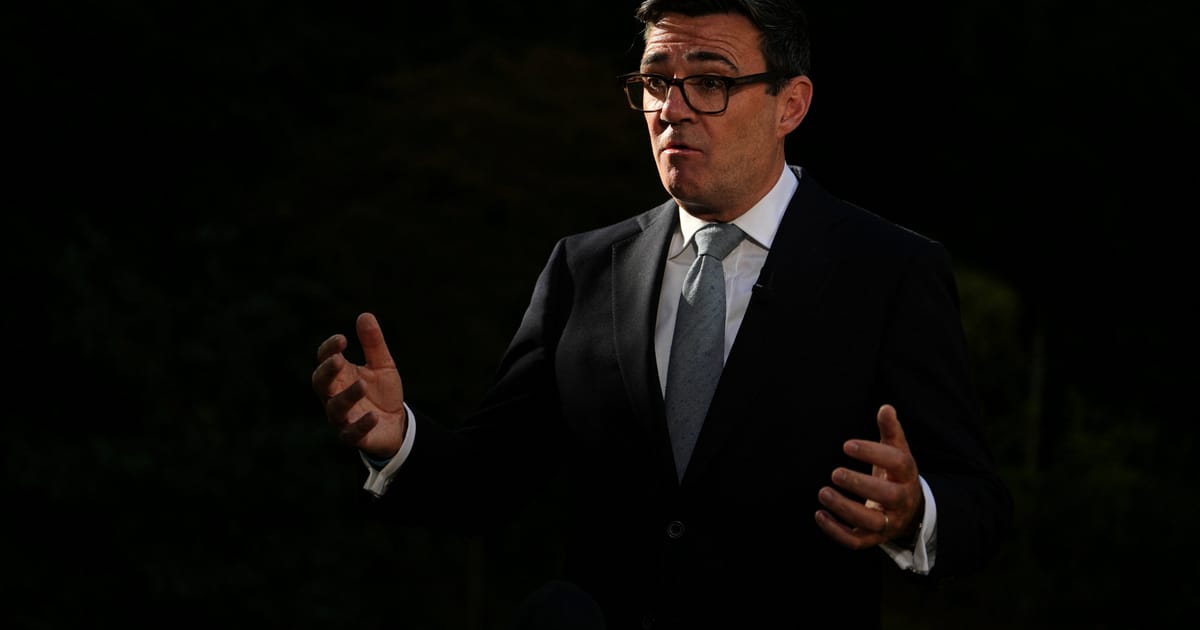
Burnham has played down the jeopardy, but he also promised to “say what I feel.” He has the advantage of having seen his predecessor Keir Starmer try to please Trump, only to be hectored relentlessly on Truth Social. Like Italy’s Giorgia Meloni or Canada’s Mark Carney, Burnham may sense a political advantage in not kissing the ring.
A visit will still tie him up in diplomacy, however; tricky for a man who wants to keep his focus at home rather than engaging in the geopolitical wrangling for which voters gave Starmer little credit. It will also come days before his first Labour conference as leader, where some of his party faithful oppose oil and gas drilling and want him to take a harder line against Israeli settlements.
POLITICO runs through a few of the Trump-shaped headaches awaiting Burnham, informed by conversations with more than a dozen U.K. government political aides, civil servants and ministers who were all granted anonymity to speak frankly.
Oil and gas drilling
The U.K. is inching closer to a politically fraught decision on whether to allow oil and gas drilling in two of the North Sea’s last major untapped fields.
The Jackdaw gas field received initial approval in 2022, while the Rosebank oil field was green-lit in 2023. Further consultation due to a legal tussle over their environmental impacts ended in mid-August and Whitehall and industry officials expect a final decision in September. Jackdaw operator Adura has claimed gas could start flowing from Oct. 1.
Burnham — who pledged to give voters “breathing space” on the cost of living, yet is watching unrest in the Middle East push up energy bills — has spent his summer dropping positive hints about the projects, painting North Sea drilling as a “bridge to a renewable future.” He indicated similarly to Trump, who has repeatedly urged Britain to get drilling.
