

Close Menu
NCIJ Network NCIJ Network
    What's Hot

    Microsoft asks users to ignore ‘Antivirus is turned off’ errors

    August 31, 2026

    Ethereum has a $5 billion staking traffic jam

    August 31, 2026

    The next Cascadia megaquake could hit Oregon harder than expected

    August 31, 2026
    Facebook X (Twitter) Instagram
    Trending
    • Microsoft asks users to ignore ‘Antivirus is turned off’ errors
    • Ethereum has a $5 billion staking traffic jam
    • The next Cascadia megaquake could hit Oregon harder than expected
    • ‘You can’t protect what you don’t know:’ Interview with marine scientist Loyiso Dunga
    • Iran hostilities flare after US strike in strait of Hormuz; supertanker hits mines and catches fire – Middle East crisis live | US-Israel war on Iran
    • Germany is poised to enter one of its most dangerous moments yet – POLITICO
    • Grindr wants to be the everything app for gay men; investors are still deciding whether it can pull it off
    • XRP is rising, but leveraged funds just built their biggest short
    • About
      • Our Team
      • Editorial Policy
      • Editorial Independence
      • International Support
    • Trust & Standards
      • AI Usage Policy
      • Conflict of Interest Policy
      • Corrections Policy
      • Ethics Policy
      • Fact-Checking Policy
      • Source Protection
    • Get Involved
      • Guide for Sources
      • Support Independent Journalism
    • Legal
      • Cookie Policy
      • Privacy Policy
      • Terms of Use
    Facebook X (Twitter) Instagram
    NCIJ Network NCIJ Network
    Monday, August 31
    • Home
    • World
    • Ai
    • Business
    • Politics
    • Health
    • Crypto
    • Science
    • Technology
    • Cybersecurity
    • Defense & Security
    • Economy
    • Energy
    • Europe
    • More
      • Fact Check
      • Investigations
      • Opinion & Analysis
      • Environment
    NCIJ Network NCIJ Network
    Home»Science

    The next Cascadia megaquake could hit Oregon harder than expected

    NCIJ NETWNCIJ NETWORKBy NCIJ NETWNCIJ NETWORKAugust 31, 2026 Science No Comments3 Mins Read
    Share
    Facebook Twitter LinkedIn Pinterest Email

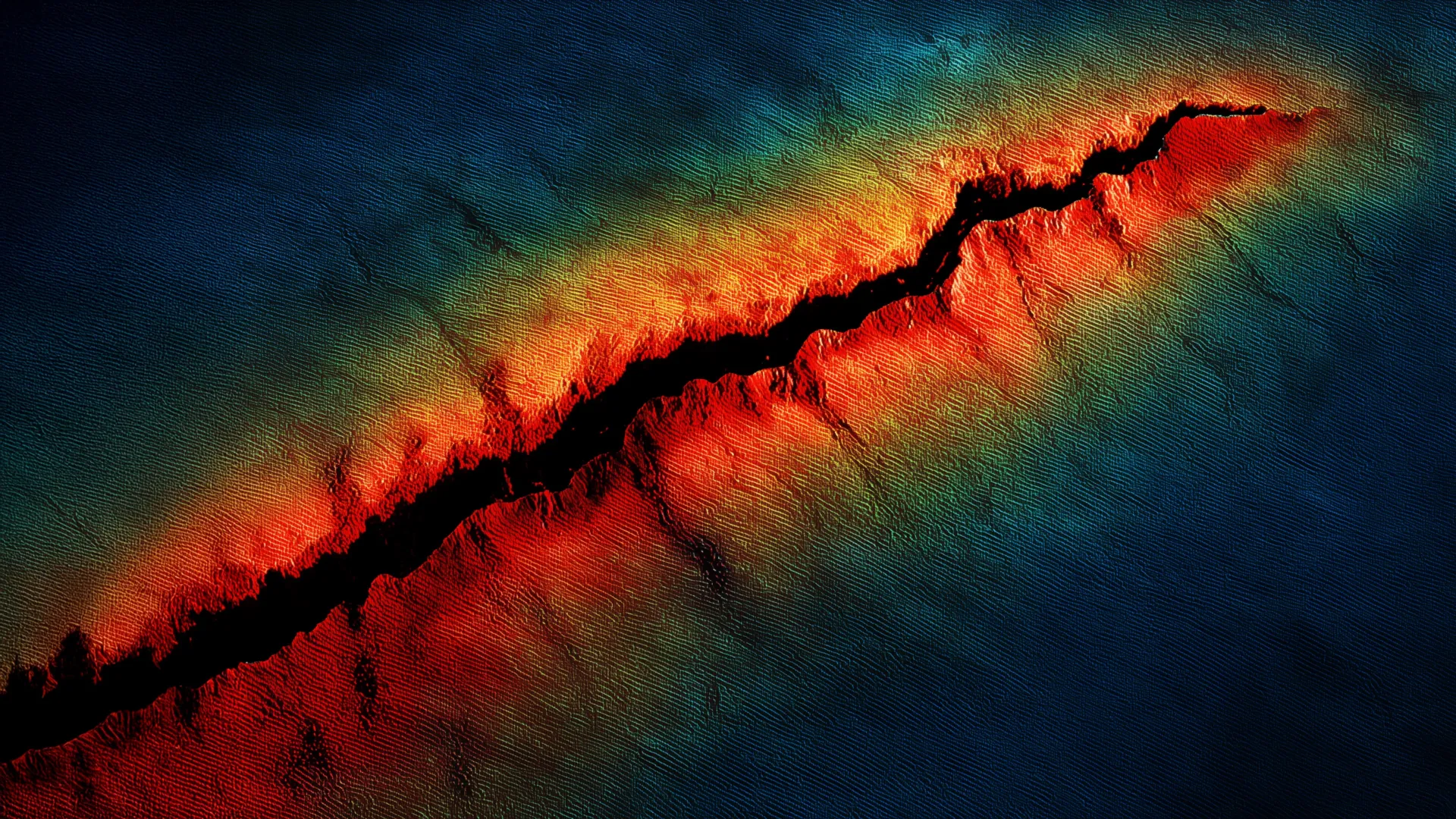
    A new seismic analysis of the Juan de Fuca tectonic plate beneath northern Oregon suggests the subducting slab lies closer to the surface than scientists previously believed. The finding could affect estimates of how strongly the region might shake during a future Cascadia megathrust earthquake.

    The Juan de Fuca plate is being forced beneath the North American plate, creating the Cascadia subduction zone along the Pacific Northwest. This fault system has produced devastating magnitude 9 earthquakes in the past.

    A Shallower Plate Beneath Oregon

    “We estimate that the slab interface is about 20 kilometers [deep] near the coastline, which is about 5 kilometers shallower than previous estimates,” said Erin Wirth, a seismologist with the U.S. Geological Survey who presented the results at the 2026 SSA Annual Meeting.

    “This could increase estimated peak ground acceleration — in other words, shaking intensity — from Cascadia megathrust earthquakes by approximately 9 to 17%,” along the coast of northern Oregon, she added.

    The researchers also detected a deep sedimentary basin beneath Tillamook, Oregon. The new measurements provide the first direct seismological constraints on the basin’s shape and depth.

    “Sedimentary basins can amplify ground shaking during an earthquake and have been well-studied in other parts of the Pacific Northwest such as the Seattle Basin,” Wirth explained. “Characterizing the presence of a sedimentary layer, as well as its likely thickness, helps scientists to more accurately estimate ground shaking from future earthquakes.”

    Filling a Gap in Cascadia Research

    The work helps address an important gap in scientists’ understanding of the Cascadia subduction zone. Northern Oregon experiences relatively little seismic activity compared with western Washington and northern California, leaving researchers with fewer earthquakes to use when studying the buried slab and the way seismic waves move through the region.

    To get a clearer picture of the subduction zone beneath the northern Oregon coast, Wirth and her colleagues installed 192 temporary nodal seismometers during the summers of 2021 and 2022. The instruments were arranged in an array stretching from Tillamook to Portland.

    The team combined those measurements with a complementary study based on seismic recordings collected offshore from Vancouver Island to northern California in 2021. That study also found evidence that the slab was shallower offshore than earlier estimates suggested.

    Together, the datasets produced a more detailed map of the Cascadia subduction zone and could help scientists improve estimates of earthquake hazards across northern Oregon.

    Why a Shallower Slab Matters

    Earthquakes that rupture closer to the surface can produce stronger shaking than deeper events because the seismic energy has less distance to travel before reaching the ground above. In deeper earthquakes, that energy has more opportunity to spread out and weaken before it reaches the surface.

    That helps explain why a shallower Juan de Fuca slab beneath northern Oregon could increase peak ground shaking in populated areas.

    The sedimentary basin beneath Tillamook could add another source of amplification. In these basins, soft sediments can behave like a “bowl of jello.” Seismic waves can strongly shake the weaker material and become trapped along the basin’s edges, which may cause the shaking to continue for longer.

    These amplified waves can pose a particular threat to tall buildings and other large structures.

    Wirth said the team plans to use the nodal seismometer dataset to investigate the Tualatin Basin near Portland in greater detail.

    Cascadia expected harder hit megaquake Oregon
    NCIJ NETWNCIJ NETWORK
    • Website

    Keep Reading

    Researchers unveil sustainable spirulina solution to vitamin B12 deficiency

    Ancient Egyptian princesses were buried with weapons. Their bones reveal why

    Seven new frog species were hiding beneath Madagascar’s forest floor

    A new recipe unlocks “impossible” nanocrystals for LEDs, implants, and superconductors

    Scientists discover a massive heat anomaly deep inside Mars

    Hundreds of hidden earthquakes found at Antarctica’s Doomsday Glacier

    Add A Comment
    Leave A Reply Cancel Reply

    Editors Picks

    Microsoft asks users to ignore ‘Antivirus is turned off’ errors

    August 31, 2026

    Ethereum has a $5 billion staking traffic jam

    August 31, 2026

    The next Cascadia megaquake could hit Oregon harder than expected

    August 31, 2026

    ‘You can’t protect what you don’t know:’ Interview with marine scientist Loyiso Dunga

    August 31, 2026
    Latest Posts

    After Obamacare Cuts, Hospitals Are Treating More Uninsured Patients

    July 30, 2026

    Fifa World Cup plans: First lot of private cash could be received by end of October

    July 30, 2026

    Poland’s Leader Says Russian Missile May Have Struck Its Territory During Ukraine Attack

    July 30, 2026

    Subscribe to News

    Get the latest sports news from NewsSite about world, sports and politics.

    NCIJ Network is an independent digital news platform delivering trusted investigative journalism, European and global news, in-depth analysis, and fact-based reporting with accuracy, transparency, and integrity.

    Facebook X (Twitter) Instagram Pinterest YouTube

    Microsoft asks users to ignore ‘Antivirus is turned off’ errors

    August 31, 2026

    Ethereum has a $5 billion staking traffic jam

    August 31, 2026

    The next Cascadia megaquake could hit Oregon harder than expected

    August 31, 2026

    Subscribe to Updates

    Get the latest creative news from FooBar about art, design and business.

    Type above and press Enter to search. Press Esc to cancel.