


King Felipe VI has begun a visit to Ceuta as the Spanish exclave continues to grapple with a migrant crisis triggered by an influx of around 70,000 people from Morocco in July.
It marks the first Spanish royal visit to the city in nearly two decades and comes amid tensions with Morocco, which maintains a longstanding claim to the territory.
The majority of migrants have left since the surge across its border, during which humanitarian organisations estimate at least 141 people died. But thousands have remained, mostly sleeping rough until recently.
The situation has sparked concern locally and criticism of Prime Minister Pedro Sánchez’s response ahead of elections next month, with immigration set to be a key issue.
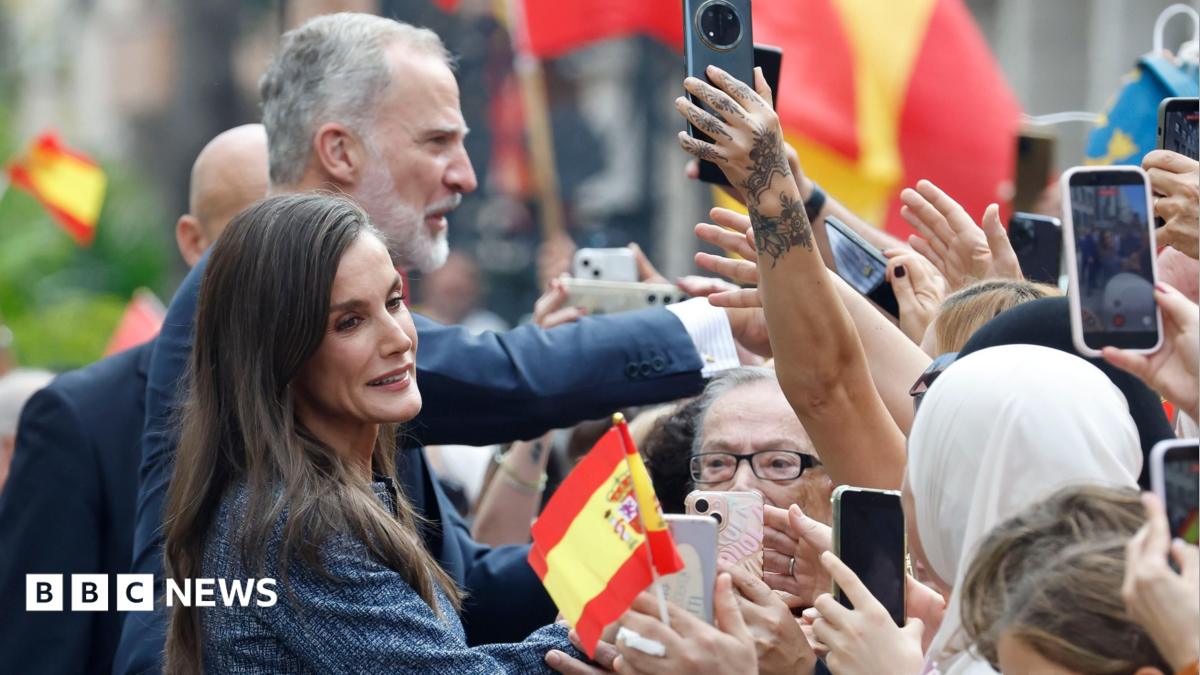
The king and Queen Letizia were greeted by cheering crowds waving Spanish flags as they visited Ceuta’s city hall upon their arrival on Tuesday, where they met local officials to hear how the crisis had affected the territory.
The pair said the visit – the first since that taken by King Felipe’s father, Juan Carlos I, in 2007 – had been “long awaited and long overdue” in a message in the city’s book of honour, broadcaster RTVE reported.
They added they aimed to demonstrate “the commitment of the entire country to the future of the people of Ceuta, which is the future of Spain”.
The royal couple will later attend an interfaith ceremony at the Sidi Embarek Muslim cemetery where many of those who died during the summer’s crossings were buried.
King Felipe is due to deliver a speech from Ceuta’s Parador hotel in the evening, before travelling on Wednesday to Melilla – Spain’s other city on the North African coast, which Morocco also claims.
The Spanish government meanwhile said the “historic” visit marked a turning point in the crisis. Asked whether they feared how Morocco might respond, a spokeswoman said it was also “absolutely normal” for the royal family to visit “two Spanish cities”.
The king and queen were handed the key to the city by Ceuta’s conservative Mayor Juan Jesús Vivas, who said the influx had turned the exclave into “a pressure cooker that could explode at any moment”, placing social cohesion, essential services and security at risk.
