


Common sweeteners may be doing much more inside our bodies than simply replacing sugar. Scientists at the University of Cambridge have discovered that many widely used sweeteners can directly interfere with the growth of gut bacteria, and their effects can become even more pronounced when combined with medications or other everyday substances.
In laboratory experiments involving 39 sweeteners and 25 species of gut bacteria, researchers found that roughly three-quarters of the sweeteners altered the growth of at least one bacterial species. Some slowed or completely stopped the growth of microbes associated with a healthy digestive system.
One combination stood out in particular. When the sweetener isosteviol was paired with the antidepressant duloxetine, it strongly suppressed two important gut bacteria involved in maintaining digestive health and regulating blood sugar. The combination also disrupted the balance of a simulated gut microbiome and produced changes that could have implications for inflammation and immune responses.
The findings, published in Molecular Systems Biology, raise new questions about how sugar substitutes interact with the body. However, the researchers emphasize that their experiments were conducted in the laboratory, not in humans, and further studies are needed to determine whether these effects have real-world health consequences.
Are Artificial Sweeteners Really Harmless to Gut Bacteria?
Sweeteners have become a familiar ingredient in modern diets. They appear in everything from soft drinks and candy to desserts, packaged snacks, and breakfast cereals, often providing sweetness with fewer calories than traditional sugar.
These ingredients are frequently promoted as healthier alternatives to sugar. Yet growing research has identified associations between sweetener consumption and health conditions such as type 2 diabetes, obesity, and cancer. Such associations do not necessarily mean that sweeteners cause these diseases, and scientists are still working to understand the biological mechanisms that might explain the findings.
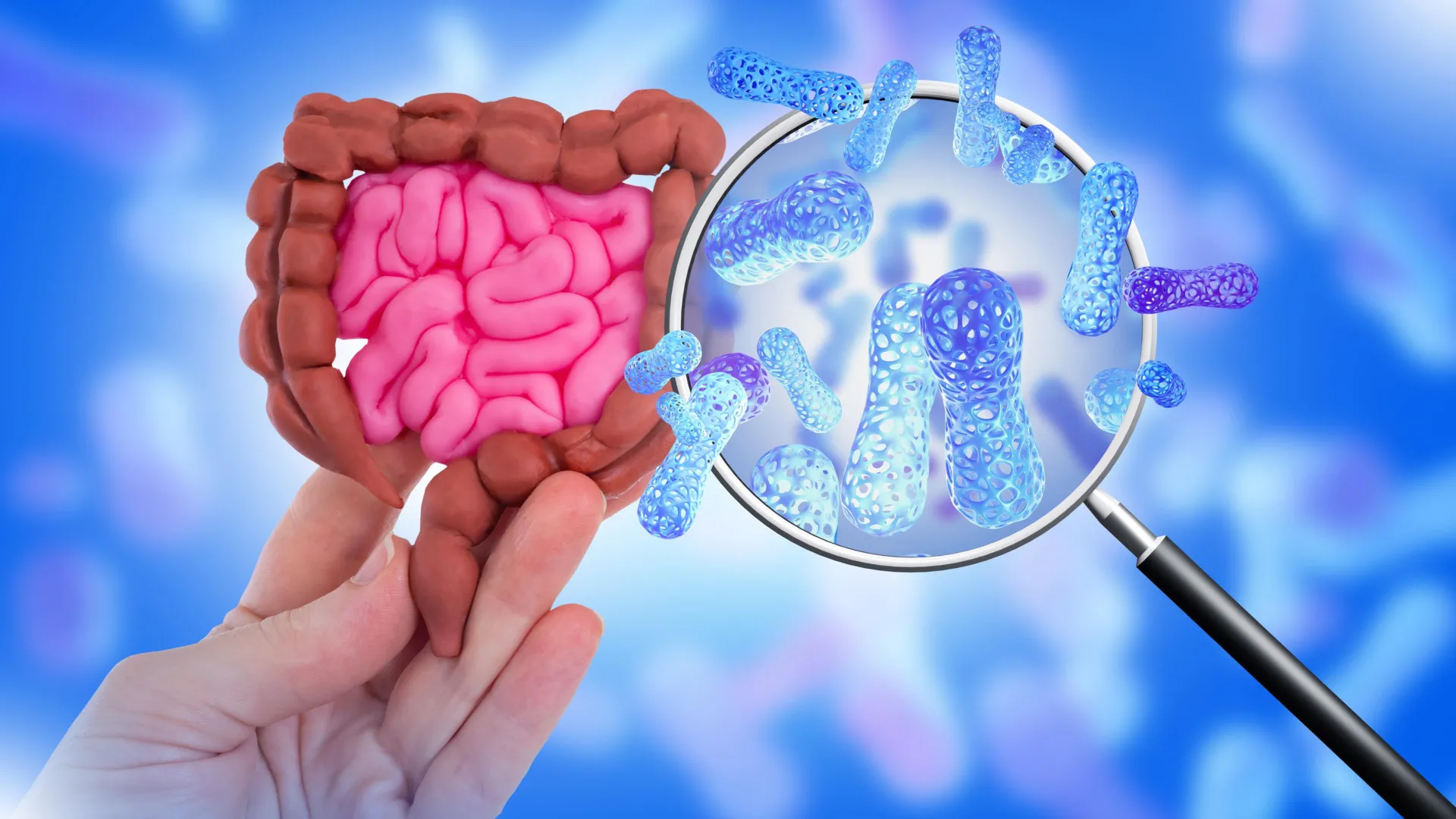
One area of particular interest is the gut microbiome, the enormous collection of bacteria and other microorganisms that inhabit the digestive tract. These microscopic residents help break down food, produce useful compounds, support the immune system, and contribute to metabolic health.
Although sweeteners are consumed around the world, surprisingly little research has directly examined how they affect individual gut bacteria. Most previous investigations have relied on animal experiments or studies comparing dietary habits and health outcomes across large groups of people.
Professor Kiran Patil from the Medical Research Council (MRC) Toxicology Unit at the University of Cambridge said: “Most of what we know about the potential impact of sweeteners on our health comes from animal research or from population studies. While these studies have indicated involvement of the microbiome in mediating the effect of sweeteners, it’s difficult to know how sweeteners act in the body – is it through direct interactions with our gut bacteria?”
An additional challenge is that people rarely consume sweeteners on their own. They are typically mixed with other ingredients, and those combinations may change how they behave.
“Answering this is further complicated by the fact that we rarely ever take sweeteners by themselves – we take them with drinks, in snacks, or even in medication to mask bitterness,” added Dr. Sonja Blasche, a lead author of the study, also the MRC Toxicology Unit.
Scientists Put 39 Sweeteners to the Test
To investigate these interactions, Blasche and her colleagues designed a series of laboratory experiments examining both artificial and naturally derived low-calorie sweeteners.
The team cultivated 25 different species of gut bacteria, including microorganisms considered beneficial, neutral, or potentially harmful. Each species was grown separately so researchers could measure how it responded to specific sweeteners without interference from other bacteria.
They then exposed these bacterial cultures to 39 commercially available sweeteners and monitored whether the microorganisms continued multiplying normally.
The results revealed a surprisingly widespread effect. Approximately three out of every four sweeteners changed the growth of at least one bacterial species.
In some cases, bacterial populations grew more slowly. In others, growth stopped entirely. Several affected species are associated with maintaining a healthy gut environment, suggesting that certain sweeteners can directly influence microorganisms that contribute to digestive health.
However, the effects were not uniform. Different sweeteners influenced different bacteria, showing that these substances cannot necessarily be treated as a single group when evaluating their biological activity.
More Than 100 Unexpected Interactions With Everyday Substances
The researchers then explored a question that previous studies had largely overlooked: What happens when sweeteners are combined with other ingredients or medications?
To find out, they tested sweeteners alongside several commonly encountered substances, including caffeine, vanillin (vanilla extract), advantame (an artificial sweetener), and eight widely used drugs.
The combinations produced more than 100 instances in which a sweetener’s effect on bacterial growth changed in the presence of another substance.
In 34 cases, the combinations intensified the effects on bacteria. In another 68 cases, the effects became weaker.
These findings suggest that the way a sweetener influences gut microbes may depend not only on the sweetener itself but also on what accompanies it.
A compound that has a relatively modest effect when tested alone could behave differently when combined with an ingredient in a beverage, a food additive, or a medication.
A Sweetener and Antidepressant Combination Stands Out
Among all the combinations investigated, one produced especially striking results.
The researchers found that isosteviol, a sweetener used in the food and beverage industry, strongly inhibited two important gut bacteria when paired with the antidepressant duloxetine.
The affected species were Roseburia intestinalis and Parabacteroides merdae, both associated with important functions in the digestive system, including processes related to gut health and blood sugar regulation.
Duloxetine is a widely prescribed medication. In the United States alone, more than 4.2 million patients received prescriptions for the drug in 2023.
The laboratory findings suggest that certain sweeteners and medications can interact in ways that substantially alter the growth of particular gut microbes.
However, this does not establish that people taking duloxetine experience these effects or that consuming isosteviol alongside the medication is harmful. Understanding whether the same interactions occur in the human body will require additional research.
The Combination Also Disrupted Gut Microbiome Diversity
Studying individual bacterial species provided valuable information, but the human gut is far more complicated than a collection of isolated microbes.
Inside the digestive system, bacteria coexist in large, interconnected communities. Different species compete for nutrients, exchange chemical compounds, and influence one another’s growth.
To better approximate this environment, the researchers created a simplified artificial gut community containing all 25 bacterial species from their initial experiments.
After allowing the community to develop, they introduced different combinations of sweeteners and drugs. They then tracked changes in bacterial populations and measured the overall diversity of the microbial community.
Microbial diversity refers to the variety of microorganisms present and how they are distributed within a community. A diverse gut microbiome is generally considered important for maintaining digestive health and supporting the stability of the intestinal environment.
The results showed that combining isosteviol with duloxetine reduced bacterial diversity and changed the relative abundance of different species.
In other words, the combination did more than affect a few bacteria individually. It altered the makeup of the broader microbial community.
Additional experiments revealed another potentially important effect. The bacterial community exposed to the isosteviol and duloxetine combination showed increased toxicity toward certain host cells and altered the behavior of other cells involved in inflammation and immune responses.
These observations suggest that interactions between sweeteners, medications, and gut bacteria could have consequences beyond bacterial growth alone, although whether similar effects occur in people remains unknown.
Scientists Challenge a Common Assumption About Sweeteners
The results raise questions about the widespread assumption that low-calorie sweeteners have little direct biological activity.
A substance described as metabolically neutral is generally understood to have limited effects on the body’s metabolic processes. The new experiments suggest that, at least under laboratory conditions, some sweeteners can interact directly with gut microorganisms.
Dr. Blasche said: “Sweeteners are often marketed as metabolically neutral, but our study challenges this idea. We found that they can directly affect gut bacteria, particularly when mixed with other compounds such as medication and food additives. These common combinations could have unintended effects on our gut microbiome.”
The findings also highlight why examining individual food ingredients in isolation may not provide a complete picture of how they behave.
A typical meal or beverage contains multiple compounds, and people may also be taking medications that interact with those substances. The Cambridge experiments demonstrate that such combinations can sometimes produce substantially different effects than the ingredients do separately.
What Does This Mean for Human Health?
Despite the striking results, the scientists caution against drawing immediate conclusions about the safety of sweeteners or their interactions with prescription medications.
All experiments were carried out in controlled laboratory settings using isolated bacterial cultures or simplified microbial communities. The human digestive system contains a much larger and more complex population of microorganisms, along with many additional biological factors that could influence the outcome.
It remains unclear whether the changes observed in the laboratory would occur under normal dietary conditions or whether they would translate into measurable health effects.
Nevertheless, the research provides a foundation for investigating how common sweeteners, food additives, and medications might interact inside the digestive system.
Professor Patil, the study’s senior author, added: “Our study suggests that artificial sweeteners don’t just pass through the body passively — they can interact with gut microbes, and these effects can be amplified or altered by other substances like medications. These findings can help guide new studies towards understanding how sweeteners might influence health in unexpected ways.”
Rather than establishing that sweeteners are harmful, the findings point to an important area of research that has received relatively little attention: how everyday combinations of food ingredients and medications may influence the microscopic communities that help keep us healthy.
The research was funded by the European Union’s Horizon 2020 program and the UK Medical Research Council.
