


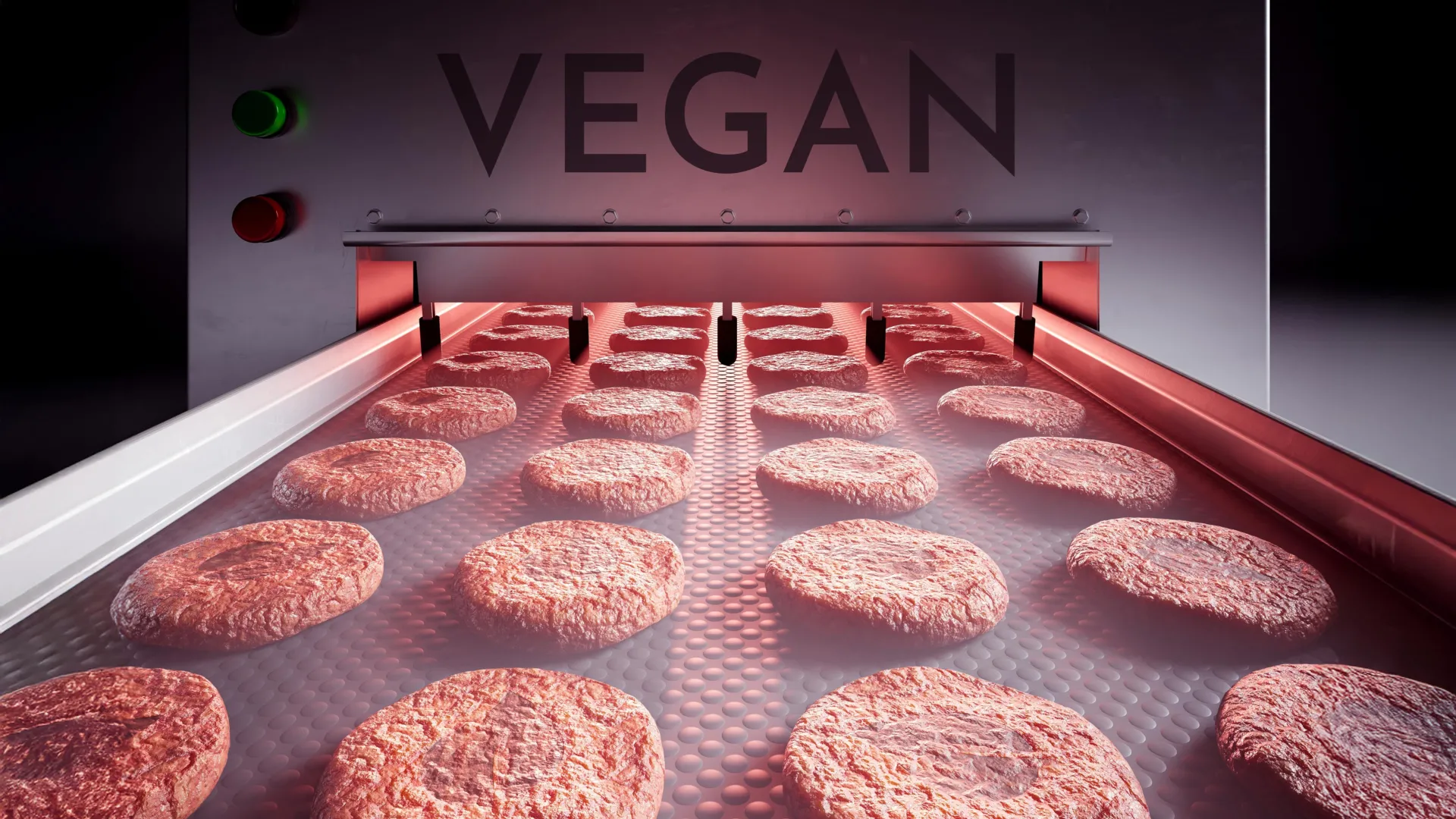
A large survey of plant-based foods and beverages sold in the UK has found that mycotoxins, toxic compounds naturally produced by fungi, are widespread across vegetarian and vegan products.
Researchers analyzed 212 plant-based meat alternatives (PMBAs) and plant-based beverages (PBBs) purchased from UK stores. Every product tested contained at least one of 19 mycotoxins, and some contained several.
The study was led by the University of Parma in Italy and coauthored by Cranfield University. Researchers examined a wide range of products commonly available to UK shoppers, including burgers, vegetarian chicken pieces, vegan sausages, and oat, almond and soy-based milks.
Why Mycotoxins Appear in Plant-Based Foods
Mycotoxins can be especially common in plant-based products because many of their ingredients, including grains, legumes and seeds, may be exposed to mould while they are being grown or stored.
Despite the widespread detection of mycotoxins, the levels measured in the UK products remained below recommended EU guideline levels. The researchers said this reflects the high quality standards maintained by the UK food industry.
Long-Term Exposure Could Still Matter
The concern is not necessarily the amount present in a single product. Previous research studies have indicated that repeated exposure to small amounts of mycotoxins can add up over time and may eventually create health concerns.
Eating individual plant-based products is therefore unlikely to cause problems on its own. However, the researchers say that a diet based entirely on plant foods could increase cumulative exposure to mycotoxins if that exposure is not properly managed. In severe cases, mycotoxin exposure has been associated with liver and kidney damage, suppression of the immune system, and cancer.
The findings provide new data that can be used to estimate dietary exposure and improve risk assessments for consumers in the UK.
Experts Call for Better Monitoring
Andrea Patriarca, Senior Lecturer in Mycology at Cranfield University, said:
“Mycotoxins occur naturally in foods and cannot be completely avoided. As consumers, we should not be frightened or deterred from enjoying a variety of products.
“However, a significant concern arises when new foods enter the market, as there are currently no established regulations to monitor mycotoxins. We collaborate closely with various sectors in the food industry, from farmers to food companies, to help implement effective mycotoxin management integrated within food safety standards. The data from our research helps food safety organisations in assessing risks, particularly in complex multi-ingredient products.
“We are currently collaborating with the University of Parma to evaluate the risks faced by the population based on different dietary habits. Our aim is to advise policymakers and raise awareness among vulnerable consumers.”
The full research paper, “Mycotoxin contamination in plant-based beverages and meat alternatives: A survey of the UK market,” is published in Food Control.
This work was carried out under the Horizon Europe FunShield4Med project (HORIZON-WIDERA-2021-ACCESS-03) Grant Agreement No 101079173 funded by the European Union.
