

Close Menu
NCIJ Network NCIJ Network
    What's Hot

    WhatsApp Unveils New Scam Alert Feature

    August 12, 2026

    The AI-Generated Pattern Hides You From Surveillance Cameras—Including Flock

    August 12, 2026

    NASA Data Helps Commercial Space Plan Living Off Our Moon 

    August 12, 2026
    Facebook X (Twitter) Instagram
    Trending
    • WhatsApp Unveils New Scam Alert Feature
    • The AI-Generated Pattern Hides You From Surveillance Cameras—Including Flock
    • NASA Data Helps Commercial Space Plan Living Off Our Moon 
    • Nickel expansion puts Indonesia’s biodiversity goals under pressure, study finds
    • What Does the Mecca Pact Deliver Pakistan? – Foreign Policy
    • Is this image of Trump hiding in plane catering cart authentic? Don’t believe your eyes
    • Trump administration plans to give ICE officers electric-shock gloves | Donald Trump News
    • South Carolina Senate Runoff Kicks Off With Chick-fil-A and Trump Calls
    • About
      • Our Team
      • Editorial Policy
      • Editorial Independence
      • International Support
    • Trust & Standards
      • AI Usage Policy
      • Conflict of Interest Policy
      • Corrections Policy
      • Ethics Policy
      • Fact-Checking Policy
      • Source Protection
    • Get Involved
      • Guide for Sources
      • Support Independent Journalism
    • Legal
      • Cookie Policy
      • Privacy Policy
      • Terms of Use
    Facebook X (Twitter) Instagram
    NCIJ Network NCIJ Network
    Wednesday, August 12
    • Home
    • World
    • Ai
    • Business
    • Politics
    • Health
    • Crypto
    • Science
    • Technology
    • Cybersecurity
    • Defense & Security
    • Economy
    • Energy
    • Europe
    • More
      • Fact Check
      • Investigations
      • Opinion & Analysis
      • Environment
    NCIJ Network NCIJ Network
    Home»Science

    Scientists discover a hidden brain rhythm that could improve Parkinson’s treatment

    NCIJ NETWNCIJ NETWORKBy NCIJ NETWNCIJ NETWORKAugust 12, 2026 Science No Comments3 Mins Read
    Share
    Facebook Twitter LinkedIn Pinterest Email

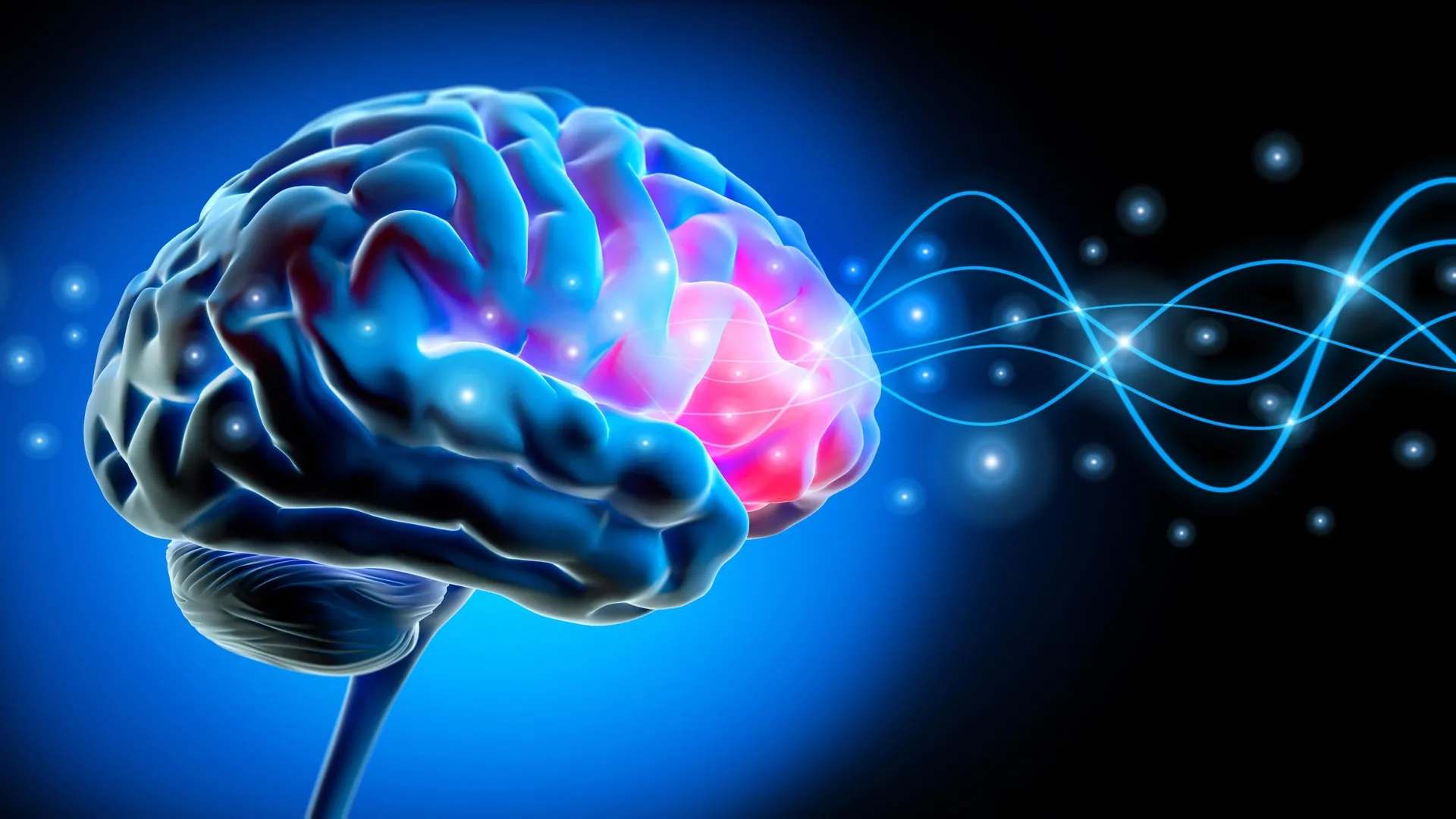
    Deep brain stimulation (DBS) can reduce movement problems caused by Parkinson’s disease, and new research is providing a clearer picture of why the treatment works. Scientists have found that its benefits appear to depend on stimulating a specific brain network that communicates primarily through a relatively fast beta rhythm (20 to 35 Hz).

    The findings come from an interdisciplinary group of neuroscientists and clinicians at the University Hospitals of Cologne and Düsseldorf, Harvard Medical School and Charité Berlin. Published in the journal Brain, the study, ‘The Deep Brain Stimulation Response Network in Parkinson’s Disease Operates in the High Beta Band’, is the first to bring together two approaches that have largely been studied separately: electrophysiology and brain imaging.

    Pinpointing Where and How Brain Stimulation Works

    “For the first time, we were able to characterize the DBS response network in Parkinson’s disease in terms of space and time, simultaneously,” says Professor Dr. Andreas Horn from the University of Cologne, who led the study and specializes in computational neurology. “We show that Parkinson’s disease can best be treated if we stimulate a very precisely defined network. This network operates synchronized within a specific frequency band, and offers an explanation for how well patients respond to deep brain stimulation.”

    Deep brain stimulation of the subthalamic nucleus is already an established therapy for easing motor symptoms in people with Parkinson’s disease. The treatment uses implanted electrodes to deliver small electrical pulses to areas located deep inside the brain.

    Previous research has provided only part of the picture. Brain imaging studies have helped identify the locations where stimulation appears to work most effectively, while electrophysiological research has measured the frequencies of the electrical signals involved. Until now, researchers had not captured both the spatial location and timing of these signals at the same time.

    Mapping a Parkinson’s Brain Network

    To investigate this connection, the team studied a large multicenter group consisting of fifty patients and one hundred brain hemispheres. The scientists simultaneously recorded brain activity through the implanted DBS electrodes and with magnetoencephalography (MEG).

    Using these recordings, they mapped functional connections between regions deep within the brain and areas closer to its surface.

    Their analysis revealed that the important network connecting the subthalamic nucleus with frontal areas of the brain communicates largely at a comparatively fast frequency (20-35 Hz). Importantly, the strength of this connection was associated with how much individual patients’ motor symptoms improved following electrode implantation.

    A Brain Rhythm That May Shape Treatment Response

    “These results suggest that a certain rhythm of the brain acts as a communication channel between the subthalamic nucleus and the cerebral cortex and may mediate the therapeutic effects of deep brain stimulation,” explains Dr. Bahne Bahners, first author of the study, who works at Düsseldorf University Hospital. “By stimulating regions that are connected to the identified network, we will probably be able to adjust DBS settings more precisely in the future, especially in patients who have not yet benefited optimally from deep brain stimulation.”

    The findings could therefore provide a foundation for making deep brain stimulation more precisely tailored to an individual patient’s brain network, particularly when existing DBS settings do not provide the desired level of symptom relief.

    Researchers now plan to investigate more directly how deep brain stimulation causes changes within brain networks. Studies examining these causal effects are currently underway.

    The study was largely funded by the Professor Klaus Thiemann Foundation.

    brain discover hidden improve Parkinsons rhythm Scientists treatment
    NCIJ NETWNCIJ NETWORK
    • Website

    Keep Reading

    NASA Data Helps Commercial Space Plan Living Off Our Moon 

    Estrogen therapy is linked to fewer signs of Alzheimer’s in the brain

    NASA Upgrades Vertical Motion Simulator for Modern Mission Needs

    A vest tested on the Artemis I mission blocked some radiation exposure

    NASA Astronaut Mike Fincke Leaves NASA, Career Includes 4 Spaceflights

    Scientists turn Starlink into a giant scanner for Earth’s upper atmosphere

    Add A Comment
    Leave A Reply Cancel Reply

    Editors Picks

    WhatsApp Unveils New Scam Alert Feature

    August 12, 2026

    The AI-Generated Pattern Hides You From Surveillance Cameras—Including Flock

    August 12, 2026

    NASA Data Helps Commercial Space Plan Living Off Our Moon 

    August 12, 2026

    Nickel expansion puts Indonesia’s biodiversity goals under pressure, study finds

    August 12, 2026
    Latest Posts

    Record-breaking wildfires burned nearly 100,000 hectares in France, interior minister says – POLITICO

    July 25, 2026

    Former top US food safety official says Trump’s handling of cyclospora is ‘catastrophic’ | Trump administration

    July 25, 2026

    Did Trump collapse while trying to get into vehicle?

    July 25, 2026

    Subscribe to News

    Get the latest sports news from NewsSite about world, sports and politics.

    NCIJ Network is an independent digital news platform delivering trusted investigative journalism, European and global news, in-depth analysis, and fact-based reporting with accuracy, transparency, and integrity.

    Facebook X (Twitter) Instagram Pinterest YouTube

    WhatsApp Unveils New Scam Alert Feature

    August 12, 2026

    The AI-Generated Pattern Hides You From Surveillance Cameras—Including Flock

    August 12, 2026

    NASA Data Helps Commercial Space Plan Living Off Our Moon 

    August 12, 2026

    Subscribe to Updates

    Get the latest creative news from FooBar about art, design and business.

    Type above and press Enter to search. Press Esc to cancel.