

Close Menu
NCIJ Network NCIJ Network
    What's Hot

    Alzheimer’s may start shrinking two brain regions years before memory loss

    November 15, 2026

    Oxford is platforming race baiter Nathan Cofnas. I know how corrosive that will be for Black students | Ebony Riddell Bamber

    November 15, 2026

    Planned asylum seeker detention centre next to Oxfordshire sewage works criticised | Immigration and asylum

    November 15, 2026
    Facebook X (Twitter) Instagram
    Trending
    • Alzheimer’s may start shrinking two brain regions years before memory loss
    • Oxford is platforming race baiter Nathan Cofnas. I know how corrosive that will be for Black students | Ebony Riddell Bamber
    • Planned asylum seeker detention centre next to Oxfordshire sewage works criticised | Immigration and asylum
    • Britain’s veto could stop the UAE’s choice from running the United Nations. Miliband must use it | Steve Bloomfield
    • Key Witness in Comey Case Attests to Justice Dept.’s Aggressive Tactics
    • Targeted by al-Shabaab for defending Kenya’s ecosystems: Foundation founder gets award
    • Crows can make decisions twice as fast as humans, scientists discover
    • Judge Blocks Immediate Closure of East Potomac Park for Trump Golf Project
    • About
      • Our Team
      • Editorial Policy
      • Editorial Independence
      • International Support
    • Trust & Standards
      • AI Usage Policy
      • Conflict of Interest Policy
      • Corrections Policy
      • Ethics Policy
      • Fact-Checking Policy
      • Source Protection
    • Get Involved
      • Guide for Sources
      • Support Independent Journalism
    • Legal
      • Cookie Policy
      • Privacy Policy
      • Terms of Use
    Facebook X (Twitter) Instagram
    NCIJ Network NCIJ Network
    Sunday, November 15
    • Home
    • World
    • Ai
    • Business
    • Politics
    • Health
    • Crypto
    • Science
    • Technology
    • Cybersecurity
    • Defense & Security
    • Economy
    • Energy
    • Europe
    • More
      • Fact Check
      • Investigations
      • Opinion & Analysis
      • Environment
    NCIJ Network NCIJ Network
    Home»Science

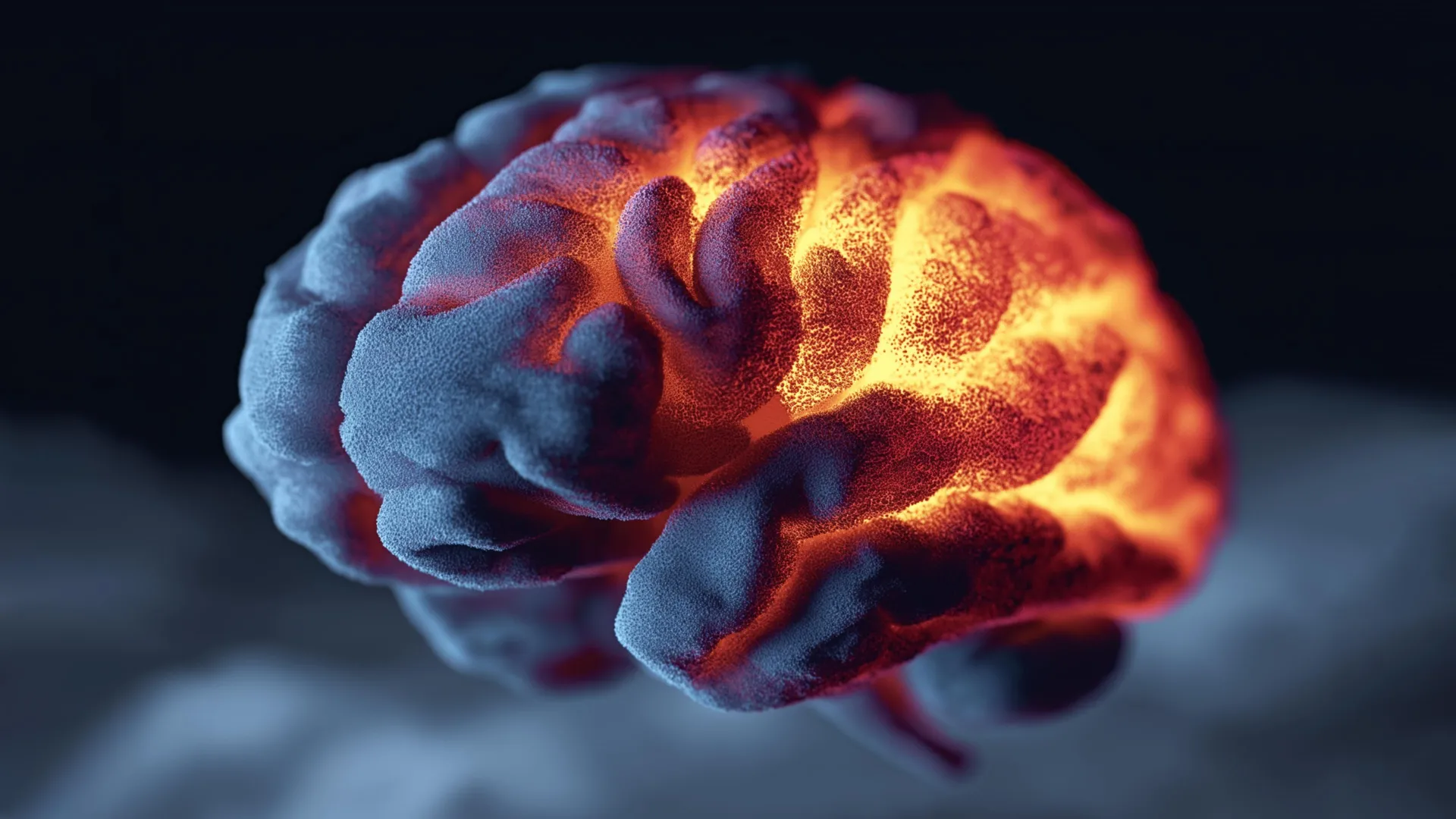
    Scientists discover a brain “brake” that can shut down chronic pain

    NCIJ NETWNCIJ NETWORKBy NCIJ NETWNCIJ NETWORKAugust 28, 2026 Science No Comments4 Mins Read
    Share
    Facebook Twitter LinkedIn Pinterest Email

    Deep inside the brain, a small group of nerve cells helps control how strongly pain signals are felt. Under normal conditions, this system can suppress pain traveling through the spinal cord. After nerve damage, however, the same circuitry can become overactive and help sustain chronic pain.

    Researchers at Washington University School of Medicine in St. Louis have now identified a mechanism that helps explain this switch and may offer a way to reverse it. In mice, they found that receptors on cells in the brain’s main alert and stress center can act as biological brakes that restrain pain. These receptors were already known for their role in stress, but the new findings suggest they can also quiet a pain-producing circuit and reduce chronic neuropathic pain caused by nerve injury.

    The study, published Aug. 17 in Current Biology, points to the locus coeruleus as a possible target for future pain therapies designed to act more precisely within the brain.

    “Millions of adults live with chronic neuropathic pain caused by nerve damage,” said Jordan McCall, PhD, an associate professor in the Center for Clinical Pharmacology in the WashU Medicine Department of Anesthesiology and the study’s senior author. “The pain is difficult to treat, and traditional opioid medications bind to receptors throughout the entire body and brain, often leading to side effects, tolerance and addiction risk. Understanding how localized receptors in the locus coeruleus act as gatekeepers could lead to more targeted, effective pain therapies with fewer risks.”

    How Nerve Damage Can Turn Up Pain

    Neuropathic pain develops when injured nerve fibers repeatedly send abnormal signals to the brain. Those faulty messages can produce shooting, stabbing or burning sensations. Diabetes, viral infections and nerve compression are among the conditions that can lead to this type of pain.

    To investigate how the process might be stopped, McCall’s team, including co-first authors Chao-Cheng Kuo, PhD, a postdoctoral research associate, and Makenzie R. Norris, a former graduate student, focused on the locus coeruleus, a brain region already known to help regulate pain.

    The researchers first confirmed that nerve injury can transform the locus coeruleus into an active source of pain. When they temporarily silenced cells in this region in mice, animals modeling neuropathic pain became less sensitive to touch and heat compared with healthy mice.

    Opioid Receptors Act as a Biological Brake

    The team then examined opioid responsive receptors on cells in the locus coeruleus, focusing especially on mu opioid receptors.

    Mu opioid receptors are found throughout the brain and spinal cord. When naturally produced opioids in the body, or synthetic opioids such as morphine and fentanyl, bind to these receptors, pain signaling across the nervous system is reduced. Because the locus coeruleus contains many of these receptors, the researchers investigated whether they play a particularly important role in controlling pain there.

    They removed mu opioid receptors specifically from locus coeruleus brain cells in mice with neuropathic pain. Without those receptors, the animals became even more sensitive to touch and heat than mice whose locus coeruleus cells still had mu opioid receptors.

    When the researchers restored the receptors to the same neurons, that increased sensitivity was reversed, effectively switching off the heightened pain response.

    A More Precise Target for Chronic Pain

    The findings suggest that chronic pain may interfere with the ability of mu opioid receptors to restrain activity in locus coeruleus brain cells.

    The researchers are now investigating ways to alter activity in the locus coeruleus without affecting opioid receptors throughout the rest of the nervous system. Their goal is to develop therapies that engage mu opioid receptors specifically within this brain region, potentially delivering strong relief from chronic neuropathic pain while reducing the risks associated with drugs that act more broadly across the brain and body.

    Kuo CC, Norris MR, Dunn SS, Becker LJ, Kim JR, Vazquez CR, Borges G, Thang LV, O’Brien JT, Parker KE, McCall JG. Mu opioid receptors gate the locus coeruleus pain generator. August 17, 2026. Current Biology.

    This work was funded by the National Institutes of Health, grant numbers R01NS117899, R01NS135401, F31NS124301 and F31DA065440; the National Science Foundation, grant number DGE-2139839; the McDonnell Center for Systems Neuroscience; a Collaboration Support initiative for Translational Anesthesiology Research (COSTAR) award from the Department of Anesthesiology at Washington University School of Medicine; and the Rita Allen Foundation with added financial help from the Open Philanthropy Project. The content is solely the responsibility of the authors and does not necessarily represent the official view of the NIH.

    brain brake chronic discover pain Scientists Shut
    NCIJ NETWNCIJ NETWORK
    • Website

    Keep Reading

    Alzheimer’s may start shrinking two brain regions years before memory loss

    Crows can make decisions twice as fast as humans, scientists discover

    Tiny flaws in diamonds could unlock a quantum computing revolution

    The Sun unleashed a monster storm. Earth may have made it worse

    Scientists discover a surprisingly simple way to turn coffee waste into fuel

    A giant icy world hiding beyond Pluto could be our sixth dwarf planet

    Add A Comment
    Leave A Reply Cancel Reply

    Editors Picks

    Alzheimer’s may start shrinking two brain regions years before memory loss

    November 15, 2026

    Oxford is platforming race baiter Nathan Cofnas. I know how corrosive that will be for Black students | Ebony Riddell Bamber

    November 15, 2026

    Planned asylum seeker detention centre next to Oxfordshire sewage works criticised | Immigration and asylum

    November 15, 2026

    Britain’s veto could stop the UAE’s choice from running the United Nations. Miliband must use it | Steve Bloomfield

    November 15, 2026
    Latest Posts

    Auditing Preference Biases and Fine-Tuning Language Models with Direct Preference Optimization on Anthropic HH-RLHF Using TRL and LoRA

    August 20, 2026

    Cognition CEO denies report that SpaceX tried to acquire the startup

    August 20, 2026

    Burnham announces plans to clean up worst three illegal waste dumps

    August 20, 2026

    Subscribe to News

    Get the latest sports news from NewsSite about world, sports and politics.

    NCIJ Network is an independent digital news platform delivering trusted investigative journalism, European and global news, in-depth analysis, and fact-based reporting with accuracy, transparency, and integrity.

    Facebook X (Twitter) Instagram Pinterest YouTube

    Alzheimer’s may start shrinking two brain regions years before memory loss

    November 15, 2026

    Oxford is platforming race baiter Nathan Cofnas. I know how corrosive that will be for Black students | Ebony Riddell Bamber

    November 15, 2026

    Planned asylum seeker detention centre next to Oxfordshire sewage works criticised | Immigration and asylum

    November 15, 2026

    Subscribe to Updates

    Get the latest creative news from FooBar about art, design and business.

    Type above and press Enter to search. Press Esc to cancel.