


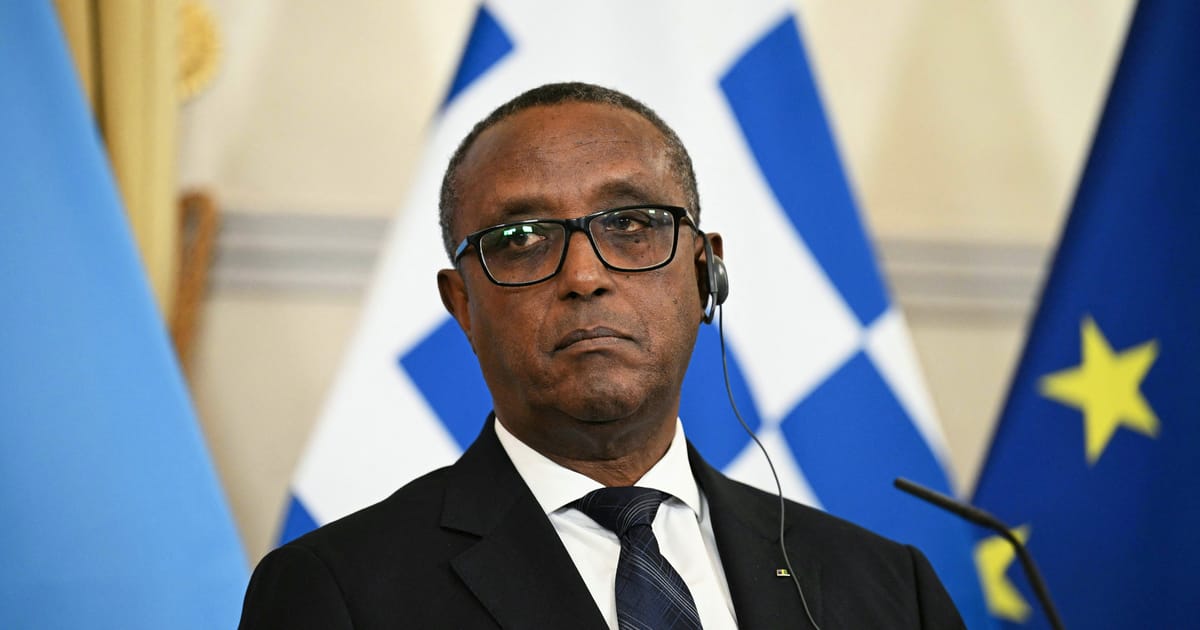
EU ministers repeatedly stressed Monday that their partnership with Rwanda would meet international and European standards. Biruta said his country would put in place an independent monitoring mechanism and that it wants to involve the International Organization for Migration and the United Nations High Commissioner for Refugees.
Details about such mechanisms and cooperation, as well as how the EU countries and Rwanda will divide responsibilities for the refugees’ wellbeing, have not yet been revealed.
“There are still some technical things that have to be solved, including where [the responsibility of ] Europe ends and where Rwanda starts,” Danish Prime Minister Mette Frederiksen told POLITICO after the plan’s announcement.
Human rights groups don’t believe the countries can come up with a framework that will guarantee migrants’ rights are respected.
Rwanda has an abysmal human rights record, is responsible for serious abuses and war crimes in eastern Congo and engages in transnational repression, Judith Sunderland, senior associate director in the refugee and migrant rights division of Human Rights Watch, told POLITICO.
“No amount of nominal safeguards will be sufficient to mitigate the risks of serious human rights violations, particularly as there is unlikely to be any way to implement effective monitoring or seek accountability,” she said. “Given its track record, the fact that Rwanda was even considered, much less chosen, justifies deep skepticism about EU rhetoric about respecting people’s rights.”
Nektaria Stamouli contributed reporting.
