


ANTALYA—Last month, thousands of people came together in Fiji and Tuvalu ahead of the United Nations Climate Change Conference in Antalya, Turkey, for the Vale ni Vanua Knowledge Exchange, a pre-COP31 stakeholder program that paired traditional and community knowledge with science and policy. The Pacific region sent a clear message: keep the 1.5° Celsius warming goal alive, provide accessible financing, and recognize the ocean’s importance as the planet’s blue lung.
Building on the momentum generated by the Pacific gathering, we, the Pacific COP31 Envoys, are working to ensure a positive outcome in Antalya, where Turkey holds the presidency and Australia leads the negotiations. The COP31 Pacific Partnership between Australia and Pacific countries is especially important. Our region has been on the frontline of rising seas, extreme weather, and drought—but we’re no longer alone in this. Climate impacts are intensifying elsewhere, from deadly flooding in Nepal to heat waves in Europe and North America.
Being on the frontline also means that our region had a head start in devising solutions, with governments developing national strategies and investment pipelines, and communities taking swift action. The Marshall Islands’ national electric utility is installing solar and grid upgrades that will cut fossil-fuel use on outer atolls by nearly 90%. Neighboring island countries have committed to linking their protected waters, creating the Melanesian Ocean Corridor of Reserves spanning at least six million square kilometers (2.3 million square miles). And to help communities prepare for climate change on their own terms, the Pacific Resilience Facility funds local adaptation and disaster-preparedness efforts.
But for these solutions and others like them to succeed, more countries must do their part. To that end, we are seeking three outcomes at COP31.
First, the 1.5°C target must be our North Star, keeping us focused on the urgent need to move away from fossil fuels. Renewables have never made more economic sense, and this year’s oil crisis has exposed the insecurity created by reliance on hydrocarbons. We are now headed toward an overshoot of the 1.5°C threshold. This is unacceptable. We must take bold measures to return below it as quickly as possible. Countries must submit 1.5°C-aligned nationally determined contributions, deliver on existing targets, and provide detailed roadmaps for moving away from fossil fuels. The G20, which comprises the world’s largest emitters, must take the lead.
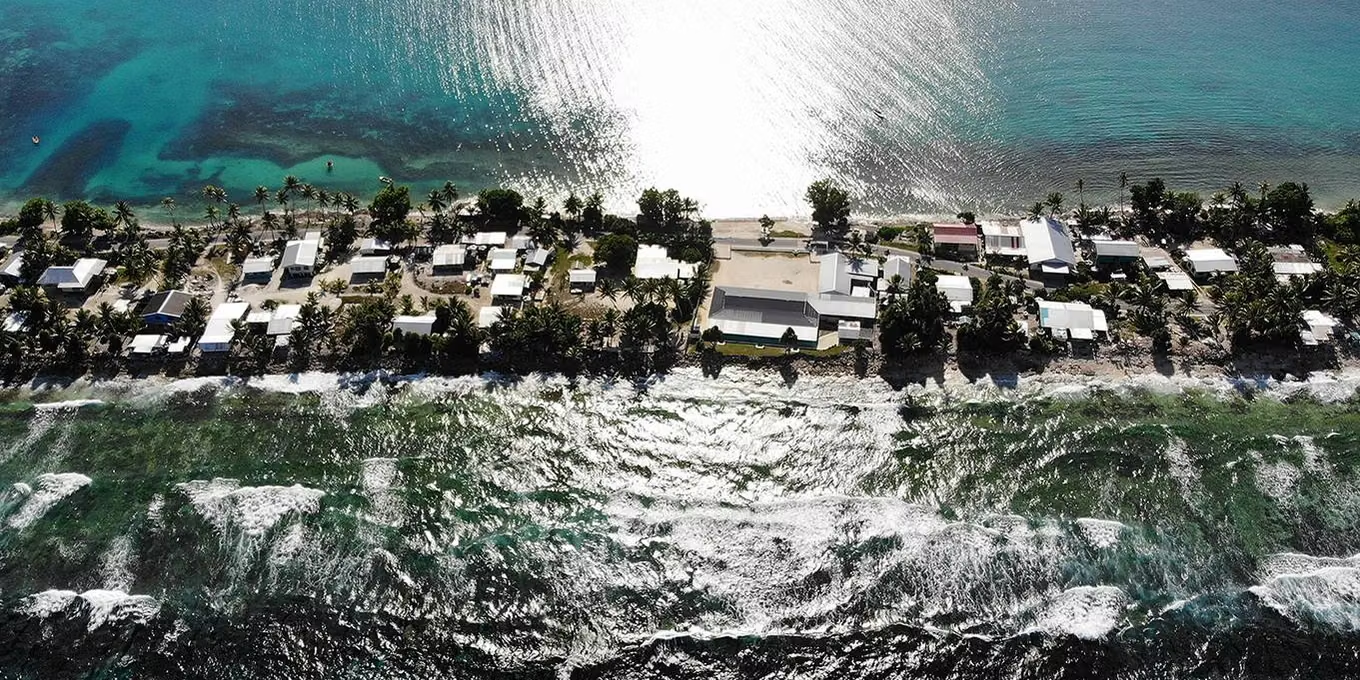
Pacific island countries have long defended the 1.5°C target because even small increases in sea level can cause disproportionate damage to low-lying atolls like the Marshall Islands, Tuvalu, Kiribati, and the Maldives, with coastal flooding salting soils and destroying ecosystems. Instead of throwing up their hands in despair and surrendering at the first sign of overshoot, other countries must commit to keeping the breach as small and as short as possible.
We are also seeking to ensure that funding pledges translate into tangible delivery at the community level. The international climate-finance architecture was not designed with small and vulnerable states in mind. Only four Pacific island countries have accredited national entities with the Green Climate Fund or the Adaptation Fund. We need a simpler, faster, more predictable system that is aligned with country-led priorities and offers a new kind of partnership, focused on cutting red tape and boosting accountability. Climate-finance providers should make clear commitments to improve access, with detailed timelines and defined objectives that allow us to monitor progress. As we reach and exceed 1.5°C, the costs borne by developing countries will rise ever higher.
Lastly, ocean protection must be at the heart of outcomes and decisions emerging from COP31. The ocean underpins economic growth, food security, and cultural identities—our very survival as a species. Protecting it requires ending our dependence on the fossil fuels driving its warming and acidification. Scientists warn that the world’s warm-water coral reefs have become the first Earth system to cross its thermal tipping point, so there is no time to waste. Making COP31 the “Blue COP” means creating an ocean-climate segment in the world leaders’ summit at future COPs, along with a coherent plan to integrate the ocean into the Paris climate agreement’s ambition cycle.
In the Marshall Islands, the navigator who stays awake through the storm and keeps everyone safe is called juumemmej. The Pacific countries have long filled that role. Now we are asking the rest of the world to join us in sounding the alarm. Together, we can translate commitments into implementation and action for the health of the ocean.
