


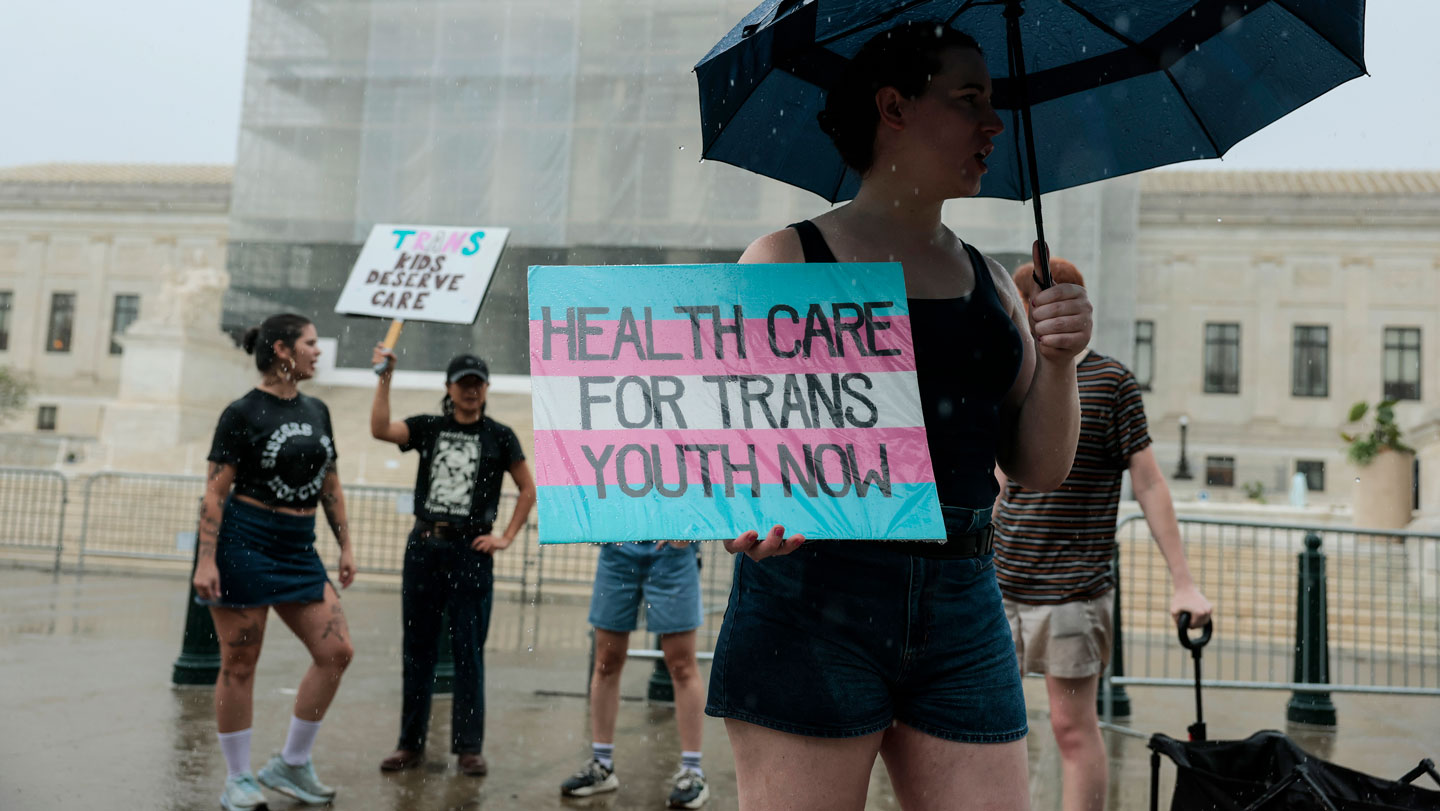
An overwhelming percentage of transgender and gender diverse young people in the United States express satisfaction with gender-affirming hormone therapy.
Almost 400 transgender and gender diverse young people reflected on their decision to take hormone therapy in the largest such survey to date. Nearly 97 percent affirmed it was the right decision, researchers report November 9 in JAMA Pediatrics. Only about 3 percent, or 10 individuals, said they regretted the step, and of those, seven felt the experience was harmful.
With concerns around youth well-being fueling limits on gender-affirming hormone therapy, the researchers write, “the results provide further support for the existing standards of care [and] do not support efforts to categorically restrict or ban access.”
Gender-affirming hormone therapy — with the masculinizing hormone testosterone or the feminizing hormone estrogen — allows a person’s body to better match their gender identity. Around 3 percent of 13- to 17-year-olds in the United States identify as transgender.
Among the study’s 376 young people, who were former patients of a clinic for transgender and gender diverse youth, nearly 92 percent began hormones at 17 or younger. Thirty percent took estrogen and 70 percent took testosterone, with the amount of time since starting the hormones averaging five years.
As per clinical guidelines for transgender health care, young people interested in medical treatment, joined by parents or guardians, began with an assessment visit with a mental health professional. For the study, participants took a yearly survey, filled out anytime from one month prior to six months following the anniversary of this initial visit. The research team analyzed surveys submitted from 2023 to 2025.
The new research adds to growing evidence on the benefits of gender-affirming hormone therapy for transgender young people. Gender-affirming hormones improve the alignment these young people experience between their appearance and their gender, increase their satisfaction with life and reduce depression and anxiety.
But state bans have curtailed young people’s access to gender-affirming care, which can include hormone therapy and puberty blockers. As of November 2026 in the United States, 28 states have laws or policies that limit this care, according to the health policy organization KFF. More than half of transgender young people age 13 to 17 reside in states that restrict gender-affirming care. The American Academy of Pediatrics and the Endocrine Society support gender-affirming health care for young people and provide evidence-backed guidelines for treatment.
