


A Hunter Valley community group has won Australia’s first high court case to consider climate change, in a ruling advocates say sets a binding national precedent for fossil fuel projects in New South Wales.
In a landmark judgment, the nation’s highest court ruled that the approval of MACH Energy’s Mount Pleasant coalmine expansion in Musswellbrook was invalid.
In a 3-2 split ruling, the high court dismissed the coal company’s appeal, with a majority of judges finding the state’s planning commission was required to consider how to mitigate the greenhouse gas emissions that would be generated by the mine when the coal is sold and burnt overseas, and failed to do so.
A majority of the court found the Independent Planning Commission failed to consider imposing conditions aimed at minimising these emissions – known as scope 3 emissions – to the greatest extent possible.
The Mount Pleasant expansion would double the mine’s coal output to 21m tonnes per annum until 2048. Some 98% of the projected emissions are scope 3 emissions.
The high court found the approval was invalid on a different basis than an earlier decision by the NSW court of appeal.
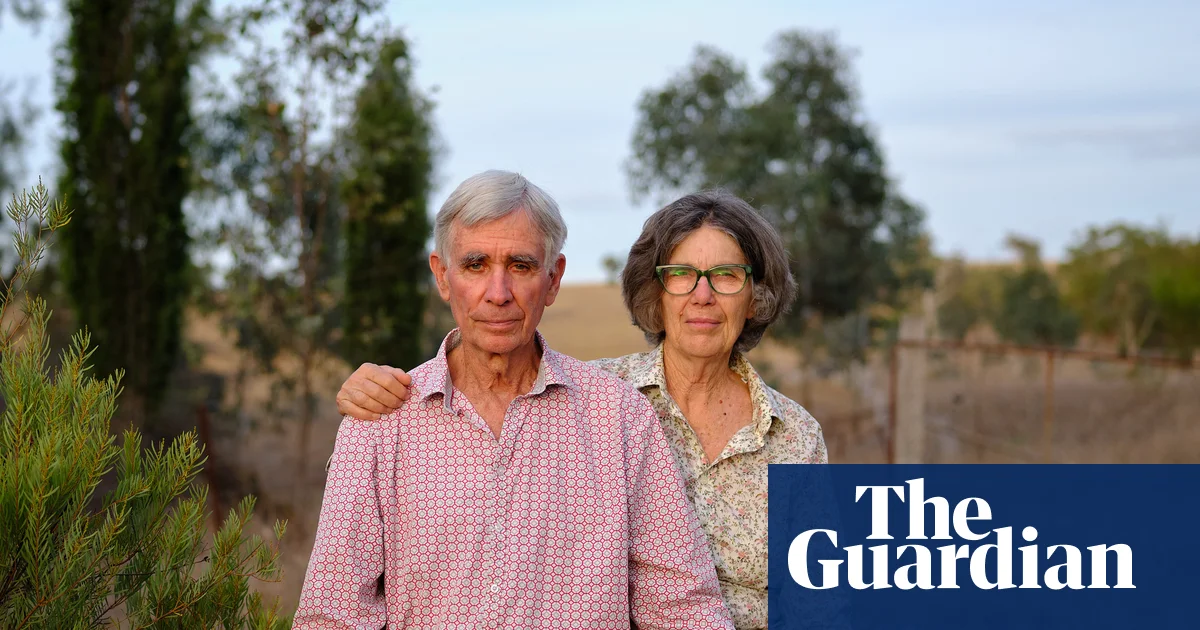
Wendy Wales is a retired science teacher and the president of the Denman Aberdeen Muswellbrook Scone Healthy Environment Group (Dams Heg) – the community group that brought the original case.
“Today the high court has said what we have always known: we cannot dig up coal, ship it overseas, watch it drive climate change, and then pretend the consequences have nothing to do with us and won’t be felt by us,” she said.
“The droughts, the bushfires, the floods – are directly connected to greenhouse gases, and massive fossil fuel projects like Mt Pleasant Optimisation simply add fuel to the fire”.
“We can’t ignore physics, chemistry and biology. We must live within nature’s limits and this ruling endorses that.”
Wales said the ruling was an acknowledgment that many Australians had “already suffered extreme weather devastation”. She said lawmakers needed to turn their “full attention” to addressing climate change.
“Now the true and complete long term costs of export coal on Australians, via the climate impact from burning that coal, must be considered,” she said.
The proceedings, brought by MACH Energy, were the first time Australia’s highest court had been asked to consider a case on climate grounds.
after newsletter promotion
MACH had appealed a 2025 decision by the NSW court of appeal that overturned a massive expansion of the company’s Mount Pleasant mine in Muswellbrook.
In the initial proceedings brought by the community group in the land and environment court, that court ruled in favour of MACH Energy. Wales, her partner Tony Longeran and the Dams Heg community group have pursued the case through the courts for more than four years.
A MACH Energy spokesperson said the company was disappointed with the outcome but accepted the court’s decision. They said the company would carefully review the judgment “to understand its implications for future project assessments and environmental approvals”.
They added the company would “continue to actively pursue all available options to ensure the long-term continuity of the Mount Pleasant Operation”.
“Throughout these proceedings, MACH Energy’s position has been that the NSW planning system functions best when decision-makers apply the statutory framework established by the NSW Parliament consistently, transparently and predictably,” they said.
The spokesperson said MACH Energy pursued the appeal to “obtain clarity on important questions regarding the scope of mandatory considerations in environmental decision-making”.
They said “thousands” of Hunter residents who relied on the Mount Pleasant mine for employment and income had “lived with fear and uncertainty for too long”.
The spokesperson said the state government’s approval of a separate modification to the mine in August would extend its operational life for six years.
“While the approval of Modification 8 delivers much-needed continuity for this important project, our focus now is on working constructively with regulators, governments, local communities and other stakeholders to understand the practical implications of today’s High Court decision,” they said.
