


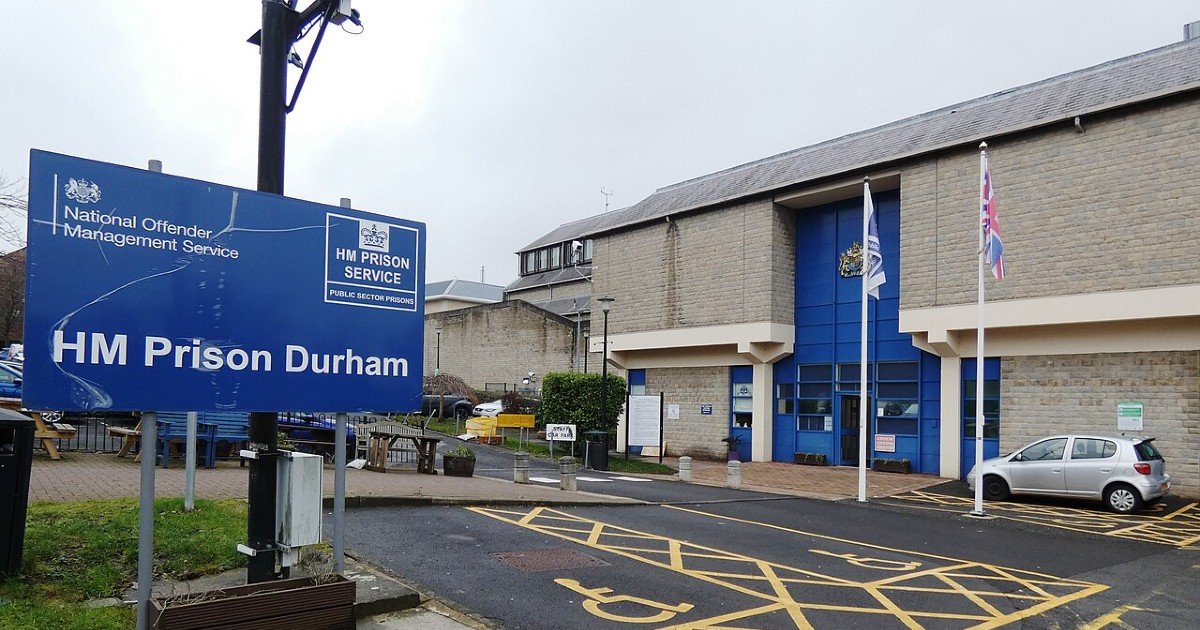
This Facebook post from the Labour Party supposedly compares the number of prison places added under the current government with those added between 2010 and 2024. But the comparison is misleading, because the figures quoted are not like-for-like.
What are the figures?
The Labour Party did not respond to our queries about these figures, but the Ministry of Justice has confirmed what they’re based on.
The “only 500”/“under 500” figure refers to the net increase in operational prison capacity during the Conservatives’ 14 years in office—this was 482 places measured to April 2024, and 455 measured to July 2024. (The Conservatives were in coalition with the Liberal Democrats from 2010 to 2015, then remained in government until 2024.)
The “more than 3,000” figure refers to the number of new prison places the government says have been opened between July 2024 and July 2026. (The Ministry of Justice told us it is now “more than 3,200”.) These figures are gross rather than net, meaning that unlike the first figure they do not account for the reduction in places due to closures and other reasons over the same period.
These figures are therefore not like-for-like, and the Prison Reform Trust told us it agreed the comparison was “misleading”.
What do comparable figures show?
The net increase in total operational capacity under Labour—that is, the comparable number to the “under 500” figure—is much lower than 3,000.
Weekly Ministry of Justice data shows the total operational capacity on 5 July 2024 was 90,214. As of 3 August 2026 the total operational capacity was 90,530—which would represent an increase of 316.
It’s worth noting that the Ministry of Justice says prison capacity figures can vary week to week and that the “net change in prison places from one year to another therefore depends on the chosen dates within each year”. In this fact check we’ve used the most recent figures available at the time of Labour’s claim on Facebook.
A Ministry of Justice spokesperson said: “We are fixing the crisis we inherited by working to deliver 14,000 prison places by 2031 through the largest prison expansion programme since the Victorian era, with more than 3,200 places already delivered. We’re also launching a record expansion of tagging to toughen community punishment and giving victims a say in the strict licence conditions of offenders.”
We contacted Mr McFadden’s office and the local Labour Party branches we’ve seen sharing this claim for comment, and did not receive a response. Mr Osborne’s office said he was unavailable for comment.
What about ‘useable operational capacity’?
Another way to compare the number of prison places is to look at useable operational capacity, which takes account of the “constraints imposed by the need to provide separate accommodation for different classes of prisoner”. This is the headline figure on capacity quoted by the Ministry of Justice.
We’ve not found a single monthly or weekly time series on this for the whole period, but the weekly Ministry of Justice data suggests there was an increase in useable operational capacity under Labour between 5 July 2024 and 3 August 2026 of 26 places.
Archived prison service data suggests that useable operational capacity increased by 1,132 places between May 2010 and April 2024—though we’ve asked the Ministry of Justice to confirm this figure and will update this fact check if we hear back. (The equivalent figure between May 2010 and July 2024 is 1,105.)
Useable operational capacity is calculated by subtracting an “operating margin” from total operational capacity. This margin varies over time—it was 2,000 in May 2010, 1,350 in April and July 2024 and 1,650 earlier this month.
