


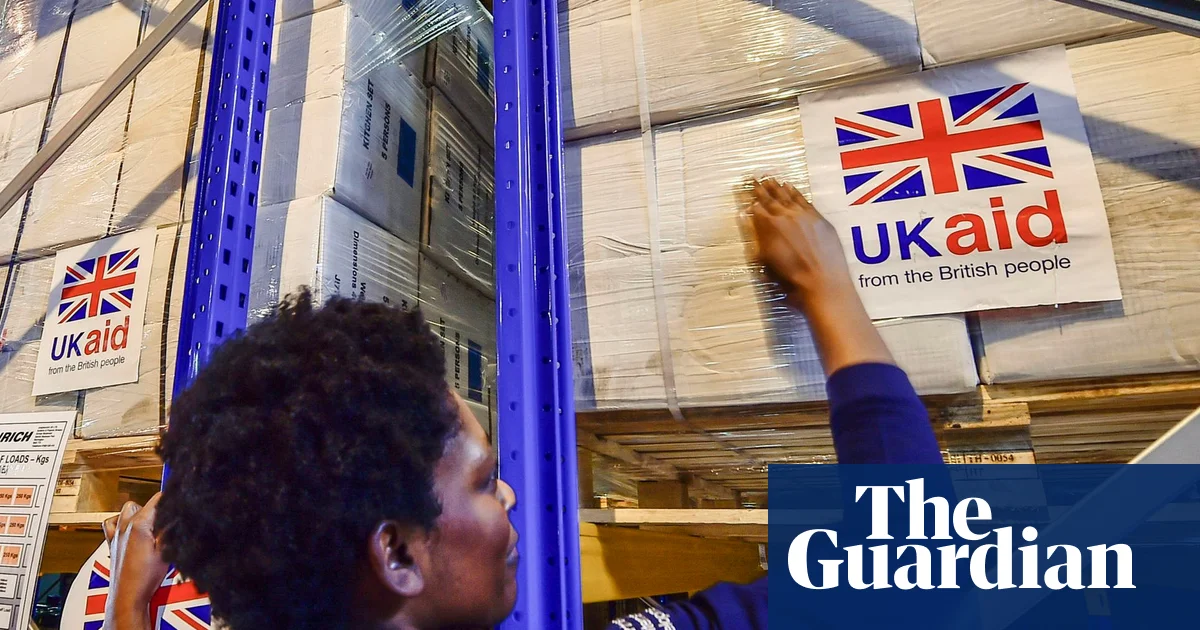
Conservative plans to slash the aid budget by 90% would leave the UK unable to cover existing contributions to the UN and World Bank, and “irreparably damage” Britain’s global credibility, several organisations and charities have told the Guardian.
In a series of announcements at the Tory party conference in Birmingham, Kemi Badenoch said that as prime minister she would reduce the aid budget from £9bn a year to £1bn, to part-fund 50,000 new prison places in England and Wales. The culture budget would also be slashed by £1bn a year to fund the plans.
Overseas aid has been targeted by all political parties in recent years. Keir Starmer’s government reduced aid from 0.5% of GDP to 0.3% by 2027, and last year Nigel Farage announced that Reform UK would cap overseas aid at £1bn a year, or about 0.03% of GDP.
But those with knowledge of the UK’s commitments to global institutions such as the World Bank and the UN, suggested Badenoch’s plan to follow Farage’s policy was impractical, and one source described the move as “posturing”.
One source said that about 70% of the budget proposed by the government would be swallowed up by funding the work done by British diplomats around the world. “I think any party in government would soon realise that £1bn is not enough to cover the very basics and would not be possible,” said one. “This feels both a morally questionable policy, and disingenuous one.”
Multilateral overseas aid totalled £2.8bn in 2024, the most recent year for which complete figures are available. Existing commitments to the UN, the World Bank’s International Development Association, the Gavi vaccine alliance and the Global Fund to Fight Aids, Tuberculosis and Malaria total more than £1.6bn a year.
Cutting those immediately would be almost impossible, sources suggested, as most settlements are agreed in advance and cover several years. Even if the total could be brought down to £1bn, there would be no funding left to respond to new natural disasters such as devastating glacial floods in Nepal or the outbreak of new pandemics.
Gideon Rabinowitz, the director of policy at Bond, the umbrella group for development NGOs, said a £1bn limit would amount to the UK “shooting itself in the foot” and renouncing its position on the global stage.
“We currently have a front-row seat and can influence global policy thanks to our contributions and engagement with global bodies like the World Bank and the United Nations. We can’t do that without paying our dues,” he said.
“The number of extreme natural disasters is multiplying. If we cannot play our role in responding to those disasters on the international scale, then we are likely to find that displacement of people will grow, creating challenges for neighbouring regions and the UK.
“This decision would irreparably damage the UK’s reputation and credibility, leaving us more isolated at a moment where cooperation is more important than ever.”
Monica Harding, the Liberal Democrats’ international development spokesperson, accused the Conservatives of forcing the world’s poorest people to pay for prison places. “Britain should look to lead on the world stage, not retreat from it,” she said. “This is a desperate move from a Tory leader more concerned about chasing Reform voters than acting in Britain’s long-term interest. It would diminish Britain – it is un-British, unpatriotic, and unwise.”
