


Wealthy players didn’t need the support, while working-class players decided their only option was to quit, and set up a rival code that allowed them to receive a wage for their efforts.
Players in Australia — formed out of British colonies and still firmly in the British Empire — soon followed suit, and the split never healed. Neither did the class coding.
Union, which was devised in a historic, prestigious private school, remains a fixture of British and Australian fee-paying schools.
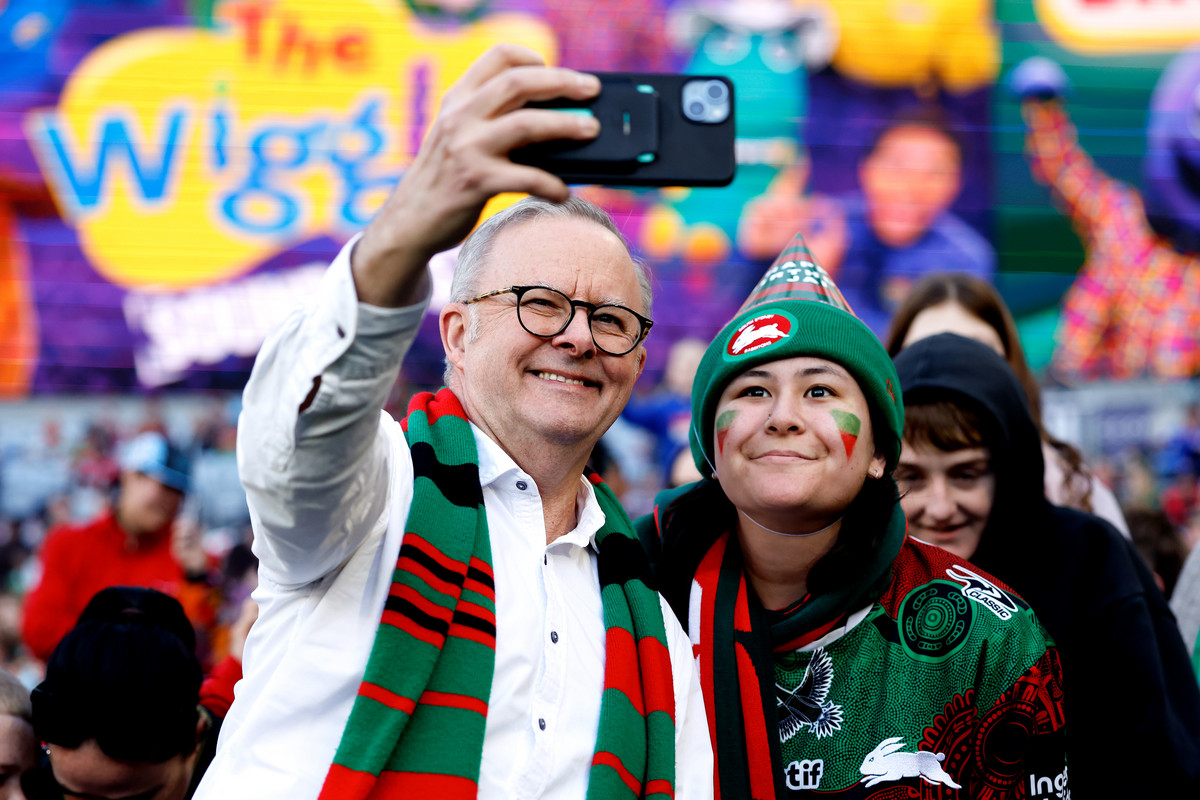
Australia’s opposition leader, Angus Taylor, a Rhodes Scholar and former McKinsey consultant, plays Rugby Union. Albanese, who grew up with a single mother in social housing, played league.
Burnham’s Northern assets
League “has a very particular culture,” said Tony Collins, emeritus professor of history at De Montfort University and the author of several books on the sport. It understands itself, he said, as working-class, democratic and inclusive — and reflexively anti-establishment.
That is a useful thing for a politician like Burnham to be fluent in. Their League connections present them, he said, as ordinary blokes voters could have a pint with. “It’s the man in the pub thing,” Collins said.
Burnham’s northern identity is one of the few assets his party has that Farage cannot replicate.
The British leader has decades of involvement in the sport, serving as honorary chair of Leigh Centurions (Now Leigh Leopards), a team dating back to 1895. In 2018 he served as president of Rugby Football League, the sport’s governing body, an appointment he described as “one of the greatest honors I’ve ever been given.”
