


Message discipline is being emphasised inside the Treasury too.
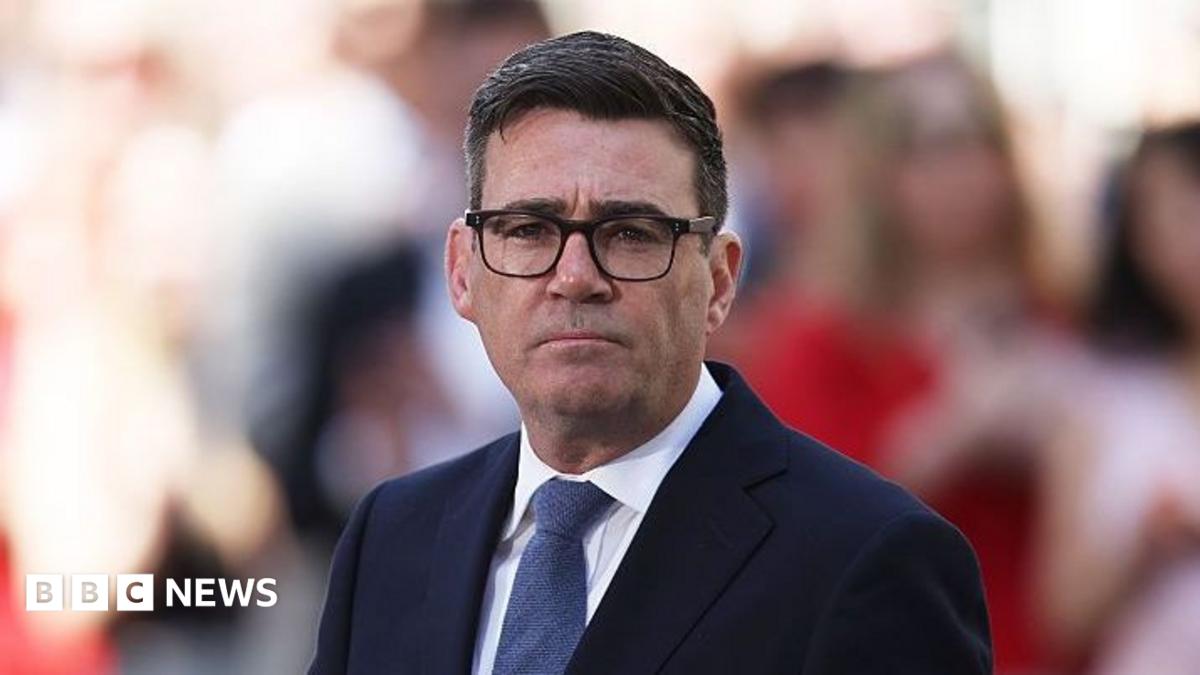
The biggest moment for the Burnham government this autumn will come on 28 October, when Chancellor John Healey unveils the Budget.
Sir Keir and his chancellor Rachel Reeves were widely seen to have been damaged politically when many of the policies in their Budgets made their way into the media.
In response, Burnham’s administration has put measures in place to try to stop those leaks and it’s understood the Treasury is telling officials that Budget security is like national security.
Nevertheless, speculation about the Budget is likely to dominate the coming weeks in Westminster, in particular questions about what taxes could potentially be increased.
Burnham has repeatedly said he will keep Labour’s 2024 manifesto pledge not to increase income tax, VAT or national insurance.
But the prime minister has also said there is “room for movement” on taxes within that pledge, leading the Conservatives to believe it’s a fruitful topic for political attacks.
The Treasury is focused on creating a Budget that will not spook financial markets, with a senior source insisting the core themes of Healey’s plans would be “fiscal discipline” and “fiscal devolution”.
Healey resigned as Sir Keir’s defence secretary over what he saw as a failure to adequately fund the armed forces.
It now falls to him to find the money to fund the defence investment plan, with an extra £4.7bn needed in the Budget.
Healey is not expected to set out a path to spending 3% of GDP on defence in the Budget, and will instead wait until next spring’s Spending Review.
When asked if there was nervousness about potentially annoying military chiefs, a senior Treasury source said you’d be “hard-placed to find anyone sceptical” of the idea that Healey is committed to keeping the country safe.
