

Close Menu
NCIJ Network NCIJ Network
    What's Hot

    Controversial Ohio Ad Calls Acton a ‘Liar,’ But Records Back Her Account of Childhood

    October 21, 2026

    Disappointed after meeting, French unions call for 5 November action

    October 21, 2026

    PHP2Shell Patches Land as First Exploitation Attempts Hit Sensors

    October 21, 2026
    Facebook X (Twitter) Instagram
    Trending
    • Controversial Ohio Ad Calls Acton a ‘Liar,’ But Records Back Her Account of Childhood
    • Disappointed after meeting, French unions call for 5 November action
    • PHP2Shell Patches Land as First Exploitation Attempts Hit Sensors
    • AI could turn scientific papers into research assistants
    • A ‘Treasury of Ice’ goes on show, revealing relics as Swiss glaciers rapidly melt
    • Rubio’s India Trip Focuses on Business
    • Are ‘Texas Transgender Student Union’ mailers from legitimate civil rights group? It’s unlikely
    • AfD’s Alice Weidel urges quick Ukraine talks and a return to cheap Russian energy – POLITICO
    • About
      • Our Team
      • Editorial Policy
      • Editorial Independence
      • International Support
    • Trust & Standards
      • AI Usage Policy
      • Conflict of Interest Policy
      • Corrections Policy
      • Ethics Policy
      • Fact-Checking Policy
      • Source Protection
    • Get Involved
      • Guide for Sources
      • Support Independent Journalism
    • Legal
      • Cookie Policy
      • Privacy Policy
      • Terms of Use
    Facebook X (Twitter) Instagram
    NCIJ Network NCIJ Network
    Wednesday, October 21
    • Home
    • World
    • Ai
    • Business
    • Politics
    • Health
    • Crypto
    • Science
    • Technology
    • Cybersecurity
    • Defense & Security
    • Economy
    • Energy
    • Europe
    • More
      • Fact Check
      • Investigations
      • Opinion & Analysis
      • Environment
    NCIJ Network NCIJ Network
    Home»Science

    Alzheimer’s may leave a mark on the brain long before plaques appear

    NCIJ NETWNCIJ NETWORKBy NCIJ NETWNCIJ NETWORKSeptember 2, 2026 Science No Comments4 Mins Read
    Share
    Facebook Twitter LinkedIn Pinterest Email

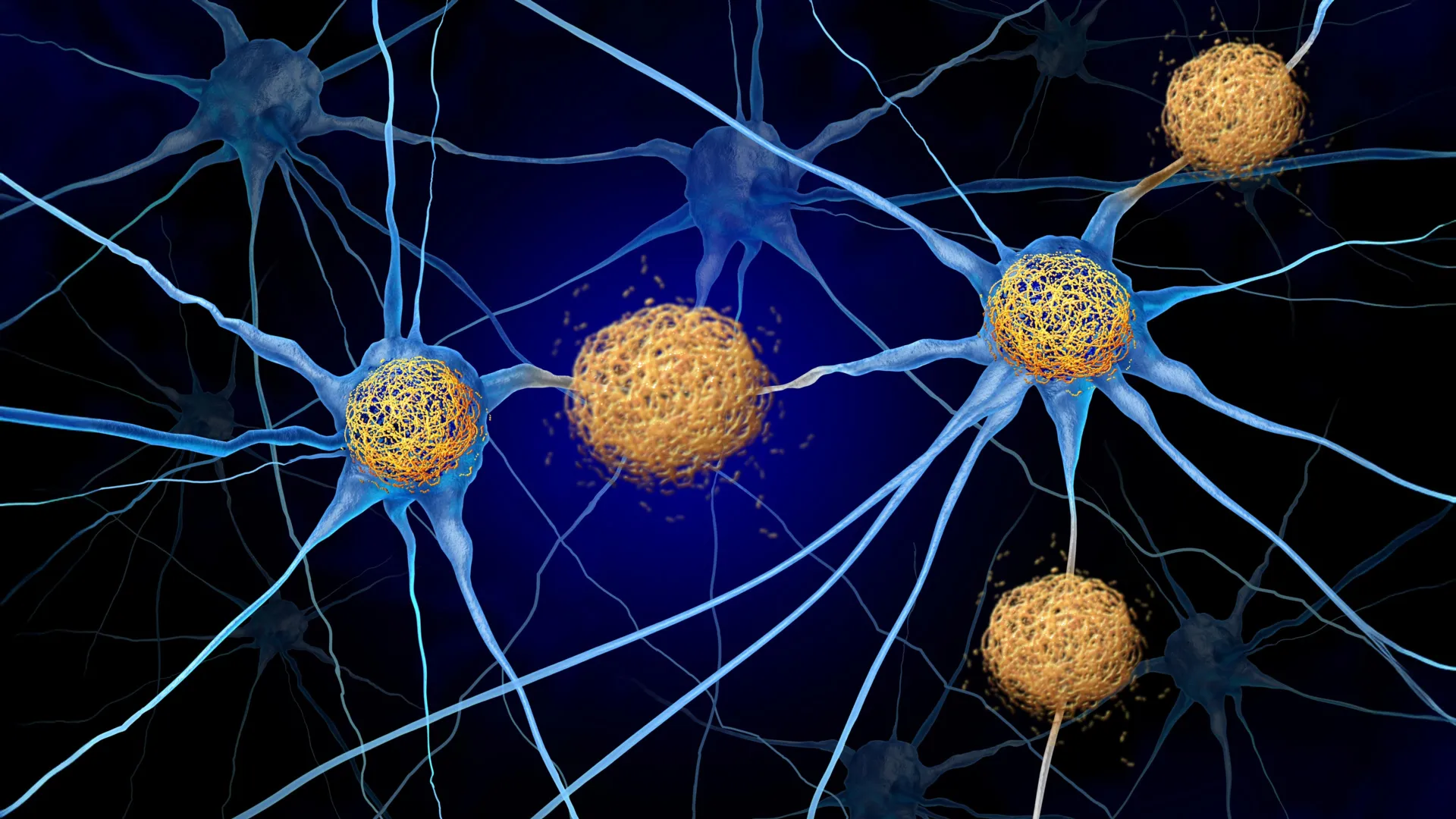
    A new study suggests that brain imaging could reveal changes linked to Alzheimer’s disease more than seven years earlier than researchers previously believed. The work was led by scientists in the Department of Psychology at the University of Oslo and was published in Nature Neuroscience.

    The study suggests that the current gold standard for Alzheimer’s imaging (amyloid-PET) may not be sensitive enough to capture some of the earliest brain changes associated with the disease. These include processes related to the buildup of amyloid plaques. The researchers identified structural changes in the brain at least seven years before plaques became visible on scans.

    “We found that structural changes in the brain occur many years before high levels of plaque are seen on PET scans, which is the brain scan currently used to identify the earliest signs of Alzheimer’s disease,” says James Michael Roe.

    At the time the research was carried out, Roe was a postdoctoral researcher at the Center for Lifespan Changes in Brain and Cognition (LCBC) at the Department of Psychology, University of Oslo. He now works as International Scientific Lead at Cercare Medical. Roe was the study’s main researcher while working at LCBC.

    Earlier Brain Changes Could Improve Detection

    According to Roe, the results suggest that disease-related processes may already be developing in the brain long before they can be seen with today’s most sensitive imaging methods.

    “We found the earliest signal detected on brain scans to date, which could be useful for tracking the disease before symptoms emerge and may help with earlier detection,” he says.

    To uncover these early changes, the researchers followed healthy individuals who underwent regular brain scans (MRI) for nearly 20 years. The long span of imaging data allowed the team to determine when plaques first became detectable and which participants eventually developed them.

    The researchers then looked back at MRI scans collected during the previous decade. They compared changes in brain structure among people who later showed plaques with changes seen in people who did not.

    “The most groundbreaking aspect of this study is that we found structural changes in the brain many years before the first signs of plaque buildup, which is considered to be the earliest sign of Alzheimer’s disease,” says Anders Martin Fjell, Professor at the Department of Psychology, and head of LCBC.

    “These are cognitively well-functioning older individuals. What is unique here is that we have examined changes in brain structure in the years before the first scan revealed plaques,” says Fjell.

    Rethinking the Earliest Stages of Alzheimer’s

    Fjell notes that Alzheimer’s disease remains extremely difficult to treat. One reason is that it is closely connected with aging and is probably influenced by several different biological factors.

    “These findings suggest that there are brain changes that precede the first detectable signs of plaque accumulation, which is considered the earliest phase of the disease and occurs many years before cognitive symptoms start showing,” he says.

    Fjell says there are two possible explanations for what the researchers observed:

    1. Harmful processes that either contribute to plaque accumulation or result from it may already be active in the brain even though the plaques themselves cannot yet be detected by scanning,

    or

    2. Other biological processes may be causing changes in the brain even before amyloid plaques begin to accumulate.

    Potential Implications for Alzheimer’s Treatments

    The second possibility could be particularly important for the development of future Alzheimer’s therapies. If brain changes begin through mechanisms that are separate from amyloid plaque accumulation, researchers may need to continue investigating treatments that target other biological processes.

    “If the latter is true, it suggests it is important to continue developing drugs that target processes other than amyloid plaque accumulation. But we need more research on this,” says Anders Martin Fjell.

    Alzheimers brain leave long Mark plaques
    NCIJ NETWNCIJ NETWORK
    • Website

    Keep Reading

    AI could turn scientific papers into research assistants

    Astronauts’ hearts just passed a surprising test for Mars

    Tracks Along the Longest Drive on Another World

    NASA JPL Looks to Next 90 Years of Innovation, Exploration

    NASA to Conduct NCAA Flyover, Engage Fans at University of Alabama

    A train was delayed by a solar storm. But something didn’t add up.

    Add A Comment
    Leave A Reply Cancel Reply

    Editors Picks

    Controversial Ohio Ad Calls Acton a ‘Liar,’ But Records Back Her Account of Childhood

    October 21, 2026

    Disappointed after meeting, French unions call for 5 November action

    October 21, 2026

    PHP2Shell Patches Land as First Exploitation Attempts Hit Sensors

    October 21, 2026

    AI could turn scientific papers into research assistants

    October 21, 2026
    Latest Posts

    Leavitt to depart the White House

    August 13, 2026

    Israeli troops force families from homes amid settler terror campaign in West Bank | West Bank

    August 13, 2026

    Video of children being taught Muslim prayers does not show a school in England – Full Fact

    August 13, 2026

    Subscribe to News

    Get the latest sports news from NewsSite about world, sports and politics.

    NCIJ Network is an independent digital news platform delivering trusted investigative journalism, European and global news, in-depth analysis, and fact-based reporting with accuracy, transparency, and integrity.

    Facebook X (Twitter) Instagram Pinterest YouTube

    Controversial Ohio Ad Calls Acton a ‘Liar,’ But Records Back Her Account of Childhood

    October 21, 2026

    Disappointed after meeting, French unions call for 5 November action

    October 21, 2026

    PHP2Shell Patches Land as First Exploitation Attempts Hit Sensors

    October 21, 2026

    Subscribe to Updates

    Get the latest creative news from FooBar about art, design and business.

    Type above and press Enter to search. Press Esc to cancel.