

Close Menu
NCIJ Network NCIJ Network
    What's Hot

    Wisconsin tracks police use of force, but the numbers are hard to compare

    August 20, 2026

    Realism Is Unrealistic

    August 20, 2026

    Trump says he will meet North Korea’s Kim Jong Un later this year

    August 20, 2026
    Facebook X (Twitter) Instagram
    Trending
    • Wisconsin tracks police use of force, but the numbers are hard to compare
    • Realism Is Unrealistic
    • Trump says he will meet North Korea’s Kim Jong Un later this year
    • Trump backed down from 50 percent tariffs on Canada. It’s not a TACO.
    • Is leasing an iPhone right for you? How Apple’s Upgrade Program works and who it’s for
    • Chrome, Firefox Updates Patch Dozens of Vulnerabilities
    • Bitcoin treasury Hyperscale sells 686 BTC to clear loans but says cash won’t cover next 12 months
    • AI-designed “intrabodies” could unlock new treatments for Alzheimer’s, Parkinson’s and MND
    • About
      • Our Team
      • Editorial Policy
      • Editorial Independence
      • International Support
    • Trust & Standards
      • AI Usage Policy
      • Conflict of Interest Policy
      • Corrections Policy
      • Ethics Policy
      • Fact-Checking Policy
      • Source Protection
    • Get Involved
      • Guide for Sources
      • Support Independent Journalism
    • Legal
      • Cookie Policy
      • Privacy Policy
      • Terms of Use
    Facebook X (Twitter) Instagram
    NCIJ Network NCIJ Network
    Thursday, August 20
    • Home
    • World
    • Ai
    • Business
    • Politics
    • Health
    • Crypto
    • Science
    • Technology
    • Cybersecurity
    • Defense & Security
    • Economy
    • Energy
    • Europe
    • More
      • Fact Check
      • Investigations
      • Opinion & Analysis
      • Environment
    NCIJ Network NCIJ Network
    Home»Science

    AI-designed “intrabodies” could unlock new treatments for Alzheimer’s, Parkinson’s and MND

    NCIJ NETWNCIJ NETWORKBy NCIJ NETWNCIJ NETWORKAugust 20, 2026 Science No Comments3 Mins Read
    Share
    Facebook Twitter LinkedIn Pinterest Email

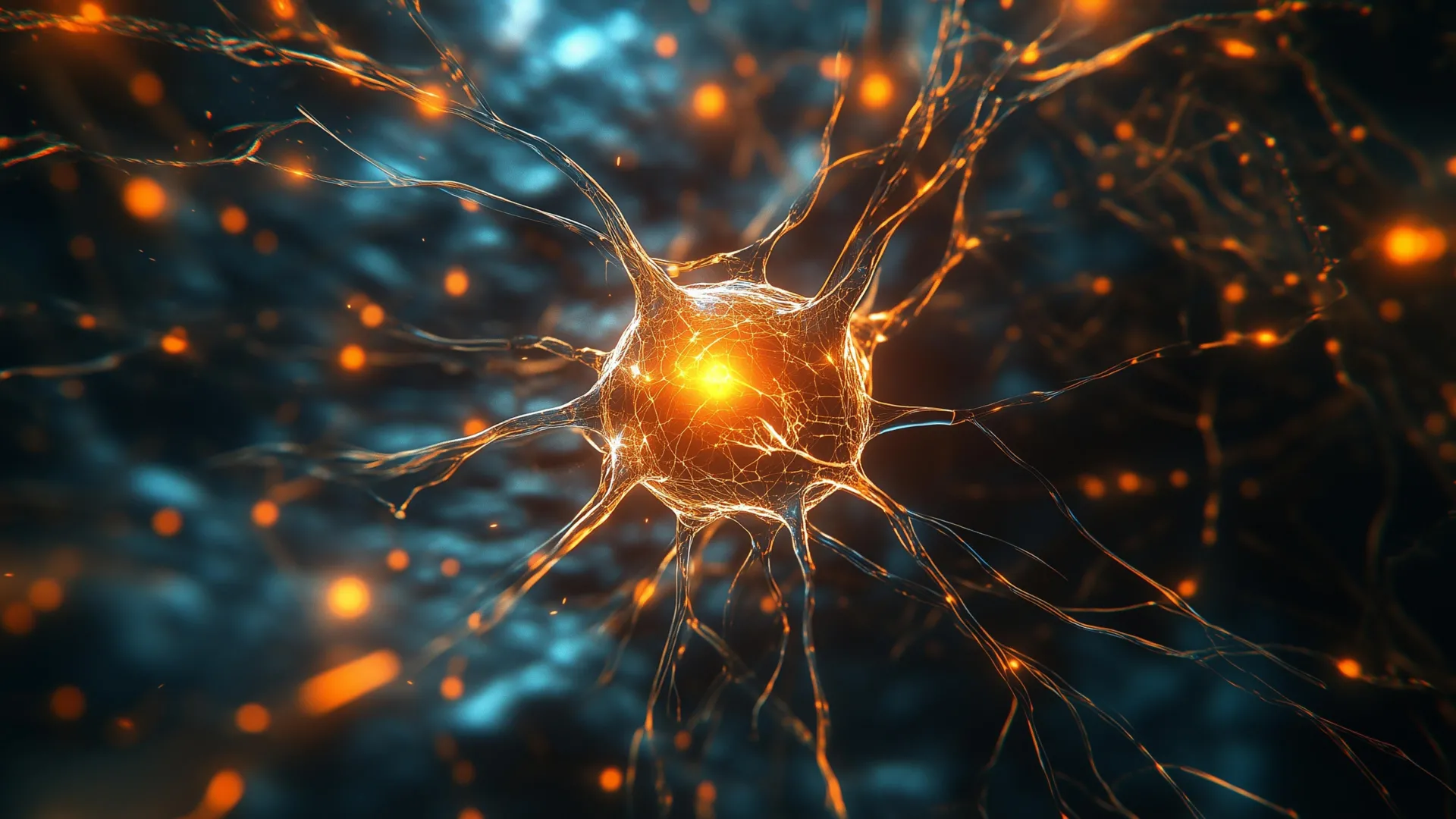
    Researchers at the University of Essex have developed microscopic medicines that could pave the way for new approaches to treating neurodegenerative diseases such as Alzheimer’s, Parkinson’s, and motor neurone disease (MND).

    Working with an international team, the scientists used artificial intelligence to create extremely small antibody fragments that can be produced directly inside human cells. Once there, the fragments can attach to proteins associated with disease.

    Ordinary antibodies generally function outside cells. The newly redesigned fragments, called intrabodies, have instead been engineered to remain stable within cells, allowing them to target proteins involved in neurodegenerative conditions.

    Electrical Charge Helps Antibodies Survive Inside Cells

    The research was funded by the MND Association and led by Dr. Caitlin O’Shea and Dr. Gareth Wright from the School of Life Sciences. The team discovered that electrical charge is a key factor in determining whether antibody fragments can remain stable and functional inside cells.

    Using that insight together with AI-powered protein redesign, the researchers converted 672 different antibodies into intrabodies capable of targeting important disease-related proteins.

    The advance could give scientists new ways to study and potentially treat neurodegenerative diseases by acting directly inside living cells, where many of the biological processes involved in these conditions begin.

    Following publication of the research in Nature Communications, the redesigned molecules will be made freely available to other scientists.

    Lead author Dr. O’Shea, who specializes in MND and Parkinson’s disease, said: “We looked at the properties of millions of antibodies and compared them with human proteins found inside the cell.

    “From this we figured out that antibodies usually have the wrong charge to exist inside cells without sticking together.

    “We used software developed by Nobel Prize winner David Baker and his group to redesign our antibody fragments, so they had the right charge and are super stable.”

    Repurposing Millions of Existing Antibodies

    The researchers believe the findings could allow scientists to find new uses for millions of antibodies developed during decades of biomedical research.

    Rather than starting entirely from scratch, existing antibodies may be adaptable for use as powerful laboratory tools and, potentially, as the foundation for future treatments aimed at disease-causing proteins.

    Dr. Wright, who directed the research, said the approach could have major implications for diseases that affect tens of millions of people around the world.

    “We’ve made intracellular antibodies that stick to proteins that cause neurodegenerative diseases such as Alzheimer’s, Parkinson’s, Huntington’s and motor neurone disease,” said Dr. Wright.

    “These diseases can lead to cognitive impairment, forgetfulness, loss of muscle control and death. They affect over one million people in the UK alone, so they are a big public health concern.

    “There are no cures for these diseases and finding molecules that interact with the proteins that cause them in their native environment is a major challenge in the medicine discovery process.”

    New Therapeutic Possibilities for MND and Other Diseases

    The MND Association welcomed the findings and highlighted their potential importance for future treatments.

    Chief Scientist at the charity, Dr. Brian Dickie, said: “Dr. Wright and his colleagues have made a significant advance in overcoming one of the key challenges that has impeded the development of antibodies as treatments for neurodegenerative diseases, such as MND.

    “Their research findings provide optimism that a combination of this novel ‘intrabody’ science with emerging gene therapy techniques may lead to new therapeutic strategies that can hit specific molecular targets within neurones.”

    AIdesigned Alzheimers intrabodies MND Parkinsons treatments unlock
    NCIJ NETWNCIJ NETWORK
    • Website

    Keep Reading

    Breast cancer is surging among Asian American women — and scientists don’t know why

    Pollen has a surprising problem — and honeybees have found a way around it

    Career Spotlight: Mechanic (Ages 14-18)

    Tiny quantum engines reveal useful energy hiding in “waste heat”

    NASA Establishes State Hubs to Grow Technical Aerospace Workforce

    Human-Related Microbes May Survive Moon’s South Pole, NASA Finds

    Add A Comment
    Leave A Reply Cancel Reply

    Editors Picks

    Wisconsin tracks police use of force, but the numbers are hard to compare

    August 20, 2026

    Realism Is Unrealistic

    August 20, 2026

    Trump says he will meet North Korea’s Kim Jong Un later this year

    August 20, 2026

    Trump backed down from 50 percent tariffs on Canada. It’s not a TACO.

    August 20, 2026
    Latest Posts

    DHS Official Resigns, Citing ‘War on Immigrants’

    July 27, 2026

    Police make inquiries after Farage reports Polanski post for ‘inciting murder’ | Nigel Farage

    July 27, 2026

    A Japanese town wrestles with identity after protests over its first mosque

    July 27, 2026

    Subscribe to News

    Get the latest sports news from NewsSite about world, sports and politics.

    NCIJ Network is an independent digital news platform delivering trusted investigative journalism, European and global news, in-depth analysis, and fact-based reporting with accuracy, transparency, and integrity.

    Facebook X (Twitter) Instagram Pinterest YouTube

    Wisconsin tracks police use of force, but the numbers are hard to compare

    August 20, 2026

    Realism Is Unrealistic

    August 20, 2026

    Trump says he will meet North Korea’s Kim Jong Un later this year

    August 20, 2026

    Subscribe to Updates

    Get the latest creative news from FooBar about art, design and business.

    Type above and press Enter to search. Press Esc to cancel.