


Microplastics have spread into nearly every corner of the environment. These tiny plastic particles have been found in ocean water, drinking water, and even inside the human body. Although their presence is well documented, scientists are still working to understand what prolonged exposure could mean for human health.
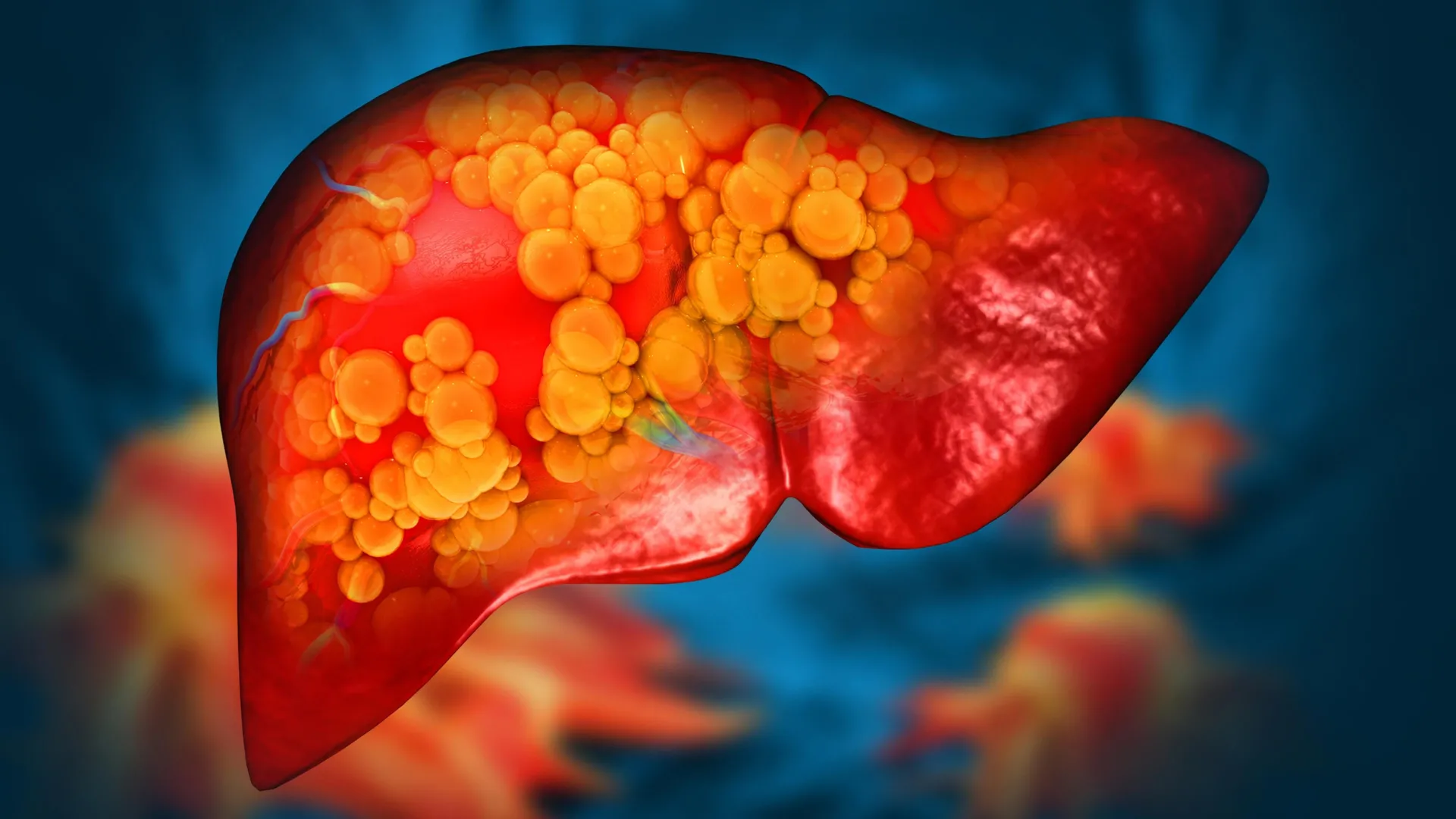
Researchers at the Texas A&M College of Veterinary Medicine and Biomedical Sciences (VMBS) have now identified a potential health concern involving polyethylene, one of the most widely used plastics in the world. Their findings suggest that polyethylene microplastics may contribute to fatty liver disease, particularly when exposure occurs alongside an unhealthy diet.
Polyethylene accounts for approximately one-third of plastic production worldwide. It is used in numerous everyday products, including food wrappers, storage containers, plastic packaging, and the linings of beverage cups. Despite its widespread use, scientists have devoted relatively little attention to its potential effects on the liver compared with other types of microplastics.
“No studies have really looked into polyethylene’s effect on liver health, and it’s the most widely produced plastic,” said Dr. Adi Joshi, associate professor in VMBS’ Department of Veterinary Physiology and Pharmacology. “What we now know is that these microplastics, especially polyethylene, affect our liver’s natural defense and repair mechanisms.”
Common Microplastics May Contribute to Fatty Liver Disease
To investigate the possible health effects of polyethylene, Joshi and his colleagues examined whether exposure to this common plastic could promote fatty liver disease.
The condition develops when excessive fat accumulates inside liver cells. According to the American Liver Foundation, it affects approximately 25% of people worldwide, making it a major global health concern.
The researchers discovered that polyethylene exposure increased indicators of fatty liver disease even without the added influence of an unhealthy diet. When the plastic was combined with a diet rich in fat, fructose, and cholesterol, the signs of liver disease became more severe.
These results suggest that exposure to environmental pollutants and poor dietary habits may reinforce each other’s harmful effects, potentially worsening liver damage.
“Those who have a more Western-style diet, including foods like burgers and sodas, may have a greater chance of progressing to fatty liver disease if they are also exposed to polyethylene,” Joshi said.
The results were especially unexpected because polyethylene has traditionally been regarded as a relatively biologically inert material. In other words, scientists generally considered it less likely to interact with biological systems than more reactive substances.
However, the findings indicate that polyethylene may influence liver function in ways that were previously overlooked. Its effects appeared both independently and alongside dietary risk factors, raising important questions about how this common plastic interacts with the body’s metabolism and protective mechanisms.
Scientists Pinpoint How Microplastics Affect the Liver
Understanding where and how polyethylene causes biological changes could help explain its potential role in liver disease.
To investigate these effects in greater detail, the Texas A&M team partnered with scientists at the University of Oklahoma and applied a powerful technique called spatial transcriptomics.
This technology allows researchers to study gene activity while preserving information about where individual cells are located within a tissue. Rather than simply measuring which genes are active, scientists can identify precisely where biological changes are occurring.
Using this approach, the team mapped areas of liver damage associated with polyethylene exposure and identified molecular pathways that may help explain the effects.
One important finding involved PPAR-alpha, a protein that helps regulate fat metabolism in the liver. The researchers found that polyethylene activated this protein, suggesting that it plays a significant role in the liver’s response to microplastics.
They also identified ANXA2, a gene associated with tissue repair, as another possible contributor to the disease process.
Together, these discoveries provide a more detailed picture of how polyethylene may interfere with the liver’s normal functions, including the mechanisms involved in protecting and repairing damaged tissue.
Joshi believes that understanding these biological pathways could eventually help researchers identify potential treatments that reduce the harmful effects of microplastic exposure.
Could Microplastics Contribute to More Serious Liver Damage?
Although the findings reveal a previously underexplored connection between polyethylene and fatty liver disease, several important questions remain unanswered.
The researchers plan to investigate whether polyethylene exposure could contribute to more advanced forms of liver disease, including fibrosis. This condition occurs when repeated or ongoing liver damage leads to the accumulation of scar tissue, which can interfere with the organ’s ability to function properly.
The team also intends to examine other molecular processes involved in the liver’s response to polyethylene. One particular focus will be determining whether targeting the PPAR-alpha pathway could help protect the liver against microplastic-related damage.
“This is the pioneering study showing that polyethylene can contribute to fatty liver disease and the use of spatial transcriptomics has determined exactly where the damage has happened within the liver,” Joshi said. “The other microplastics might also be harmful to the liver, and we definitely need to look into other classes of microplastics.”
The findings add to growing concerns about the possible health consequences of microplastics, although further research is needed to establish how these experimental observations translate to everyday human exposure.
For Joshi, the discovery highlights why scientists need to look beyond familiar risk factors such as diet when investigating chronic diseases. As research continues, understanding how common environmental pollutants interact with the body could reveal previously unrecognized contributors to long-term health problems.
