


Isabel Díaz Ayuso, 48, has been president of the Madrid region since 2019 and has become one of the most influential figures within the People’s Party. She leads one of the PP’s strongest electoral bastions, with conservatives having ruled the region for the past 31 years.
Ayuso has built a distinct political profile that often sets her apart from the party establishment. Her direct communication style and informal use of language have helped her connect with voters and attract significant media attention.
Her tenure has not been without controversy. Her partner has been the subject of a judicial investigation relating to alleged tax offences and document forgery, allegations he denies.
Opposition parties have also questioned the Madrid regional government’s purchase of a luxury penthouse for official use. Critics have challenged the rationale behind the acquisition, while regional authorities have maintained that it was intended as a government workspace.
Socialist Carlos Cuerpo, 46, was chosen by Pedro Sánchez to take charge as interim transport minister after the Urda rail disaster and has become key to his election team. Cuerpo climbed the ranks through the economy ministry and became minister of economy, trade and business in 2023.
He has been ranked as best-regarded politician among the Spanish public, according to the Centre for Sociological Research (CIS), and, when asked about his political ambitions has called himself “a team player, and I am committed to the team”.
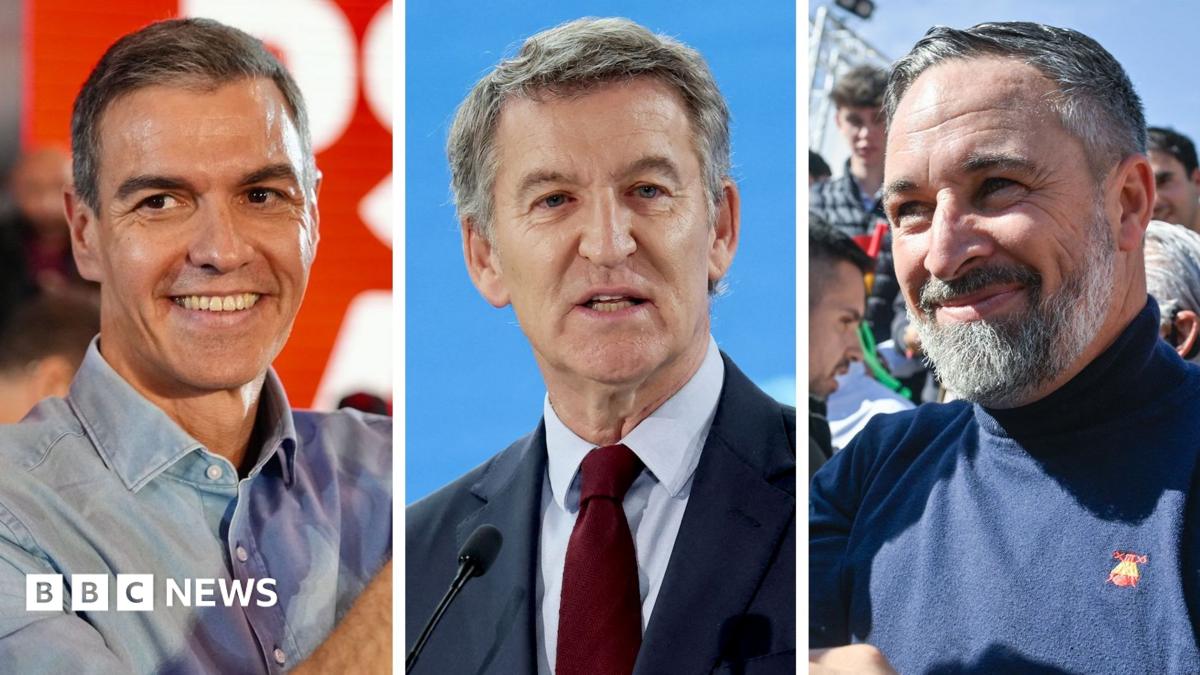
In the same light, Sánchez has said: “I believe politics is a team sport; on the opposing team we have Feijóo and Abascal, and on my team we have Carlos Cuerpo.”
Catalonia’s Socialist president Salvador Illa is also one to watch. He served as Spain’s health minister during the Covid pandemic and some have viewed him as a potential successor as Socialist leader, even though he has backed Sánchez to remain as leader.
