


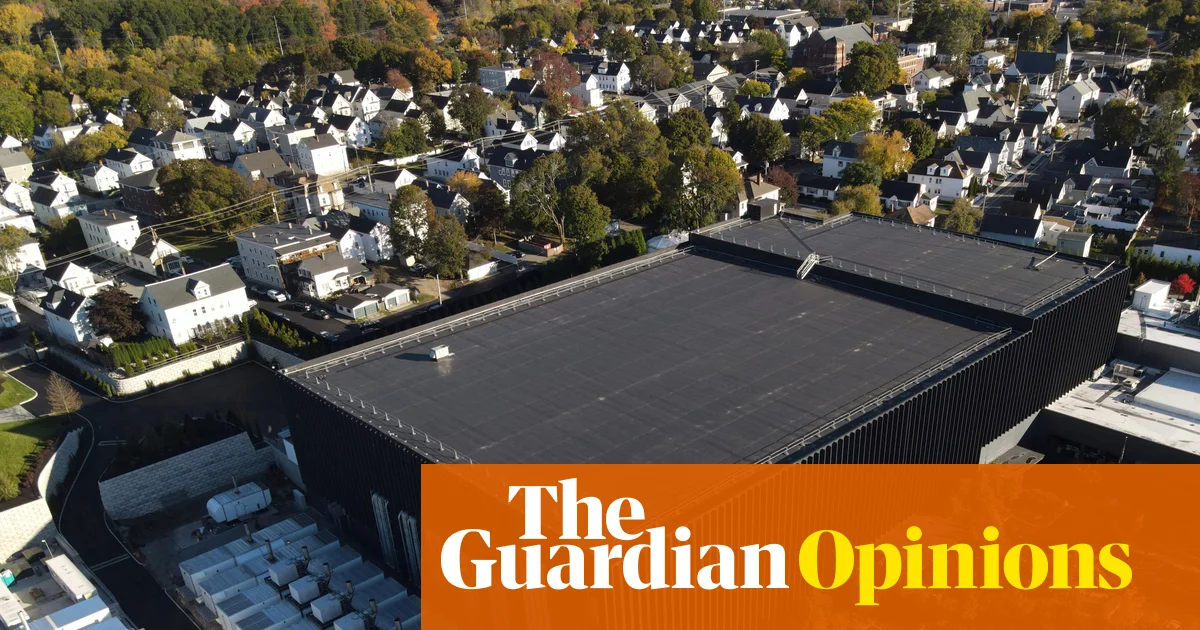
This week’s midterms showed that the political bill for the AI boom is falling due. The Democratic sweep intensified fears over runaway spending, mounting debt and resistance to datacentres, sending tech shares tumbling. On Thursday Wall Street suffered its worst day since the pandemic as $3.2tn was wiped from markets. Anthropic, developer of the Claude chatbot, is hoping to float within the next fortnight for $1.5tn (£1.1tn), but it may not now get even a trillion dollars. The dominant AI chipmaker Nvidia saw its value crash by more than $400bn. The world’s richest man, Elon Musk, lost $113bn in two days.
While a few very rich people may be a little less wealthy, the sell-off may not be a bad thing. It brings a needed dose of reality to an industry whose spending plans and valuations depend on heroic expectations of future profits. That is a view held by many influential figures – from Goldman Sachs’ research boss to Nobel laureate Daron Acemoğlu. AI may transform the economy. That does not guarantee investors will earn back the sums being poured into it.
Donald Trump is the other big loser. He rejected concerns about AI and the need to impose stricter rules despite most Americans wanting more safeguards. He called concerns about the potential dangers of AI development a “hoax”. Republicans paid a price for his refusal to listen. Mr Trump argued computing capacity was a national asset that needed to expand rapidly, while dismissing resistance to the infrastructure and the companies building it. The US president was deaf to voter frustration over electricity prices, water demand and disruption. Democrats could campaign against those costs falling on residents while the gains went to tech billionaires and their companies, which donated money to Mr Trump’s favoured causes.
Mr Musk’s SpaceX, a combined space, satellite-connectivity and AI group, warned in its June 2026 prospectus that new regulations could derail its growth plans. He spent $200m in Texas for Republicans as Democrats took aim at AI datacentres in a state where there was rising voter discontent over the industry’s rapid expansion. Mr Musk could not buy this election. Democrats won a US senate seat, the state governorship and wiped out every other statewide Republican office, taking the Texas house with a comfortable margin. Across the US, the blue wave saw wins for Democrats who have been critical of datacentre construction and pledged to slow or pause their rollout.
Democrats say they intend to make AI companies answerable for the environmental and societal costs of their infrastructure buildup as well as the harm their products cause. The new Congress is likely to be much more ready to shield voters from rising prices caused by datacentre expansion, ensure independent safety testing for advanced AI and clarify liability for possible harms. Democrats’ willingness to take public fears about AI seriously is welcome. People need confidence that elected governments can protect their livelihoods and communities.
Whatever happens to tech stocks, the genie of AI won’t be put back into its lamp. This year alone the technology was given as the reason 120,000 Americans lost their jobs. Politicians ought to strengthen workers’ bargaining power and ensure that productivity gains are fairly shared. Just letting the markets decide will only deepen the economic insecurity and political distrust that is corroding democracy.
-
Do you have an opinion on the issues raised in this article? If you would like to submit a response of up to 300 words by email to be considered for publication in our letters section, please click here.
