


The latest U.S. proposal underscores growing anxiety around Trump’s fresh rapprochement with Russia as he ramps up pressure on Ukraine and his administration attempts to revive long-stalled talks to end Moscow’s full-scale war against Kyiv.
POLITICO spoke to 12 NATO diplomats, EU envoys and European government officials, all of whom were granted anonymity to speak freely on the sensitive issue. NATO allies were not briefed about the American plans in advance, according to three alliance diplomats, and many remain skeptical of the idea.
U.S. President Donald Trump late Thursday talked of a “big, beautiful agreement,” after meeting with Putin’s envoy Kirill Dmitriev, adding: “It’s going to involve more than Ukraine, and I could even say it might involve all of Europe.”
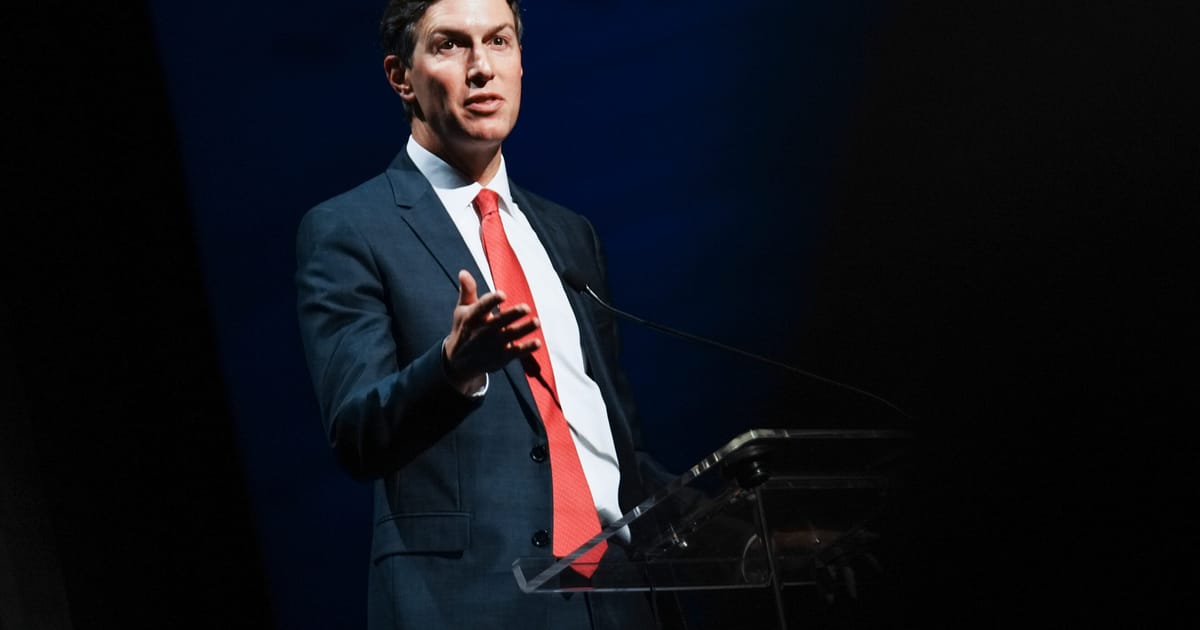
“Our objective is to develop practical arrangements that address the security concerns of all sides, reduce the risk of future conflict, and create a more stable and predictable security environment,” Trump’s son-in-law and envoy Jared Kushner added soon after.
Kushner said the arrangement would have five goals: “Permanent security consultations, reliable crisis communications, greater military transparency, reciprocal measures to reduce escalation risks, and an enduring framework for long-term European security and stability.”
“It is a bit obscure what Kushner meant,” said one NATO diplomat. “The general sentiment in Europe is that any discussion with Russia on the future architecture at the moment will just be used by Moscow to legitimize their arguments … it will not fly with the European allies.”
