

Close Menu
NCIJ Network NCIJ Network
    What's Hot

    Shaping the future of money

    November 5, 2026

    Little Ice Age cooling in Europe may have raised the risk of rickets

    November 5, 2026

    Democrats Win Control of Georgia’s Energy Regulator

    November 5, 2026
    Facebook X (Twitter) Instagram
    Trending
    • Shaping the future of money
    • Little Ice Age cooling in Europe may have raised the risk of rickets
    • Democrats Win Control of Georgia’s Energy Regulator
    • Donald Trump: Von allmächtig zu ohnmächtig? – POLITICO
    • How irrational are Labour’s plans for migrant workers? To find out, read the small print | Frances Ryan
    • Google AI Research Releases Agile Deliberation Framework for Gray-Area Image Classifiers
    • NASA’s Voyager 1 is about to reach a historic one-light-day milestone
    • International Coalition of Lawyers and Advocacy Groups Accuses JBS of Money Laundering
    • About
      • Our Team
      • Editorial Policy
      • Editorial Independence
      • International Support
    • Trust & Standards
      • AI Usage Policy
      • Conflict of Interest Policy
      • Corrections Policy
      • Ethics Policy
      • Fact-Checking Policy
      • Source Protection
    • Get Involved
      • Guide for Sources
      • Support Independent Journalism
    • Legal
      • Cookie Policy
      • Privacy Policy
      • Terms of Use
    Facebook X (Twitter) Instagram
    NCIJ Network NCIJ Network
    Thursday, November 5
    • Home
    • World
    • Ai
    • Business
    • Politics
    • Health
    • Crypto
    • Science
    • Technology
    • Cybersecurity
    • Defense & Security
    • Economy
    • Energy
    • Europe
    • More
      • Fact Check
      • Investigations
      • Opinion & Analysis
      • Environment
    NCIJ Network NCIJ Network
    Home»Science

    Little Ice Age cooling in Europe may have raised the risk of rickets

    NCIJ NETWNCIJ NETWORKBy NCIJ NETWNCIJ NETWORKNovember 5, 2026 Science No Comments3 Mins Read
    Share
    Facebook Twitter LinkedIn Pinterest Email

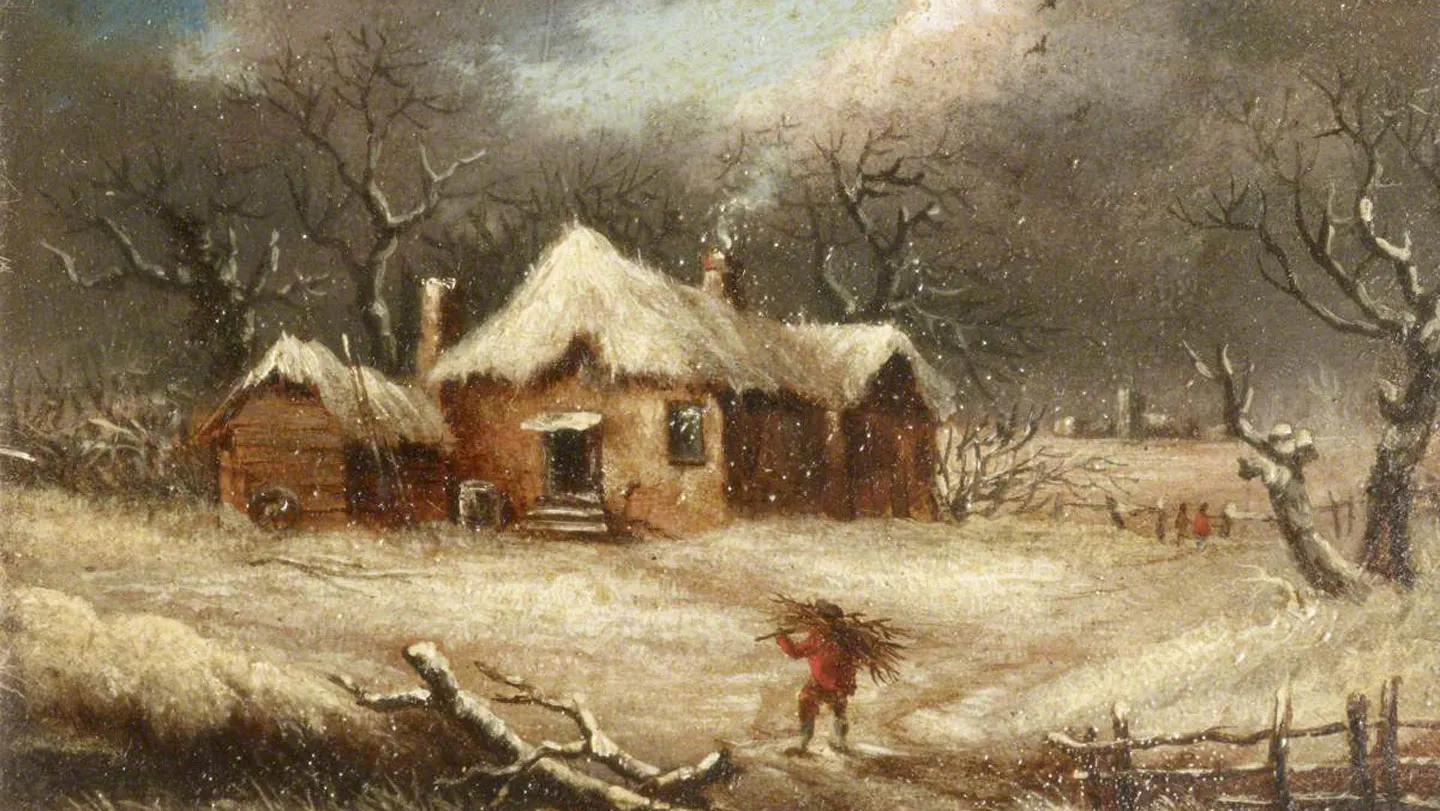
    England isn’t renowned for its weather. But just a few centuries ago, climate change–fueled conditions may have been so bad that they put children’s health at risk.

    Calcium mineralization in the teeth and skeletons of people who lived in rural northern England suggests that children growing up during the height of the Little Ice Age routinely developed vitamin D deficiencies, researchers report November 5 in Frontiers in Environmental Archaeology. In the worst cases, these deficiencies developed into rickets, a bone disorder that can occur when people don’t get enough ultraviolet light.

    Sign up for our newsletter

    We summarize the week’s scientific breakthroughs every Thursday.


    Previous skeletal studies suggest that rickets became more common among Europeans during the 18th and 19th centuries. One culprit may have been the Industrial Revolution, when many Europeans lived in UV-poor polluted cities and often worked indoors. The unusually cold climate may have added “an extra layer of difficulty” to getting enough sunlight, says Ellen Kendall, a bioarcheologist at Durham University in England

    The Little Ice Age was a period of global cooling from the 13th to 19th centuries caused by extreme solar cycles and a series of volcanic eruptions, which can cool the planet by ejecting aerosols into the atmosphere that block sunlight. In the last 200 years of the era, 18 major eruptions helped spur a temperature drop of 2 to 3 degrees Celsius over northern Europe.

    Kendall and colleagues wondered how this cold climate affected health. They examined calcium deposition — how the essential mineral is incorporated into bones — in the remains of 21 people buried from 1711 to 1829 in the town of North Shields. Calcium often doesn’t fully mineralize in people with vitamin D delicacies, leaving voids in teeth as they grow.

    The team found bands of failed calcium mineralization in the teeth, suggesting seasonal spates of vitamin D deficiencies. Some skeletons also showed signs of rickets. North Shields was a small rural town that hadn’t yet undergone industrialization, so these deficiencies probably weren’t due to bad air conditions.

    The unusually cold weather may have changed people’s behavior during the winter, Kendall says. Residents may have kept their kids indoors or bundled them up so that little skin was exposed when they did go outside, preventing them from getting enough UV light, she says.

    However, climate was still just one factor among many — including gender roles, diet and pollution — that shaped vitamin D deficiencies at the time, says Kendall. “Humans are very messy to study,” she says. “That’s one of the things that makes them so very fascinating.”

    age cooling Europe ICE raised rickets Risk
    NCIJ NETWNCIJ NETWORK
    • Website

    Keep Reading

    NASA’s Voyager 1 is about to reach a historic one-light-day milestone

    The Czech government’s new culture war shows the Maga spirit is still alive in Europe | Jan Bělíček

    How to find a job in the age of AI

    NASA smashed into an asteroid. Now Hera is closing in to see what happened

    AI helps Stanford scientists discover a “natural Ozempic” with a surprising advantage

    NASA Announces X-70 Experimental Aircraft to Advance Flight Research 

    Add A Comment
    Leave A Reply Cancel Reply

    Editors Picks

    Shaping the future of money

    November 5, 2026

    Little Ice Age cooling in Europe may have raised the risk of rickets

    November 5, 2026

    Democrats Win Control of Georgia’s Energy Regulator

    November 5, 2026

    Donald Trump: Von allmächtig zu ohnmächtig? – POLITICO

    November 5, 2026
    Latest Posts

    Florida Race to Replace Byron Donalds Features Candidates Who Have Already Run for Congress

    August 17, 2026

    As rubble clears, Colombia begins focusing on recovery after the earthquake | Earthquakes News

    August 17, 2026

    Trump Shrinks U.S.-South Korea Military Drills to Appease North Korea

    August 17, 2026

    Subscribe to News

    Get the latest sports news from NewsSite about world, sports and politics.

    NCIJ Network is an independent digital news platform delivering trusted investigative journalism, European and global news, in-depth analysis, and fact-based reporting with accuracy, transparency, and integrity.

    Facebook X (Twitter) Instagram Pinterest YouTube

    Shaping the future of money

    November 5, 2026

    Little Ice Age cooling in Europe may have raised the risk of rickets

    November 5, 2026

    Democrats Win Control of Georgia’s Energy Regulator

    November 5, 2026

    Subscribe to Updates

    Get the latest creative news from FooBar about art, design and business.

    Type above and press Enter to search. Press Esc to cancel.