


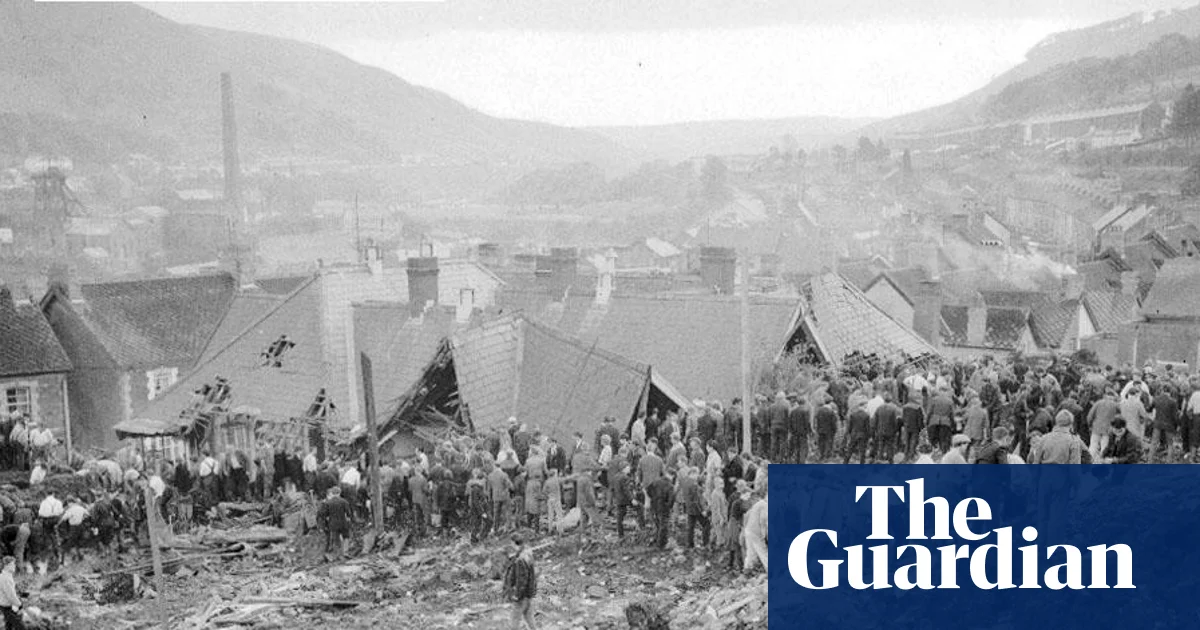
John Humphrys’ righteous anger at the carelessness of national institutions and the horrors that followed as a result – at Aberfan, Hillsborough, Grenfell and during Covid – is matched only by his disgust at the lack of accountability afterwards (At Aberfan, I saw fathers digging for their missing children. And the lessons society should have learned, it hasn’t, 24 October). Sadly, it is too often true that those in leadership roles walk away with no more than a slapped wrist.
In France, citizens would be manning the barricades. Here? “Dreadful, isn’t it?” Followed by a shrug. Like Humphrys, we should be raging at the death, grief and lasting trauma that were delivered by our “leaders”. But we don’t. Because we don’t believe that it will make any difference. We are apathetic, maybe because we have so little self-agency.
French children are taught citizenship and what it means from an early age. They have a sense of ownership of their country’s politics and institutions that we don’t seem to, certainly in England. Could that be because we are not citizens? We have no guaranteed rights, only permissions, and they can be removed by “them”.
Class distinctions may have blurred, but we still live in a hierarchical society, personified by the notion of the “crown in parliament”. Until parliament’s monarchical powers are replaced by a written constitution in which we, the people, are sovereign, we are likely to continue to believe “they” set the rules and “we” obey them.
Lyn Dade
Twickenham, London
I was moved by John Humphrys’s recollection of the Aberfan disaster. Perhaps I should say that both John and I have one thing in common – that is after spending an hour in the depths of a mine, we both wanted to come back to the surface. I had arranged to go down a pit in the Llynfi valley in my late teens to see the environment in which my father had spent some of what should have been the best years of his life. He was given a pick and shovel on his 14th birthday and came back up for the last time when he was 27, ruined for the rest of his life.
I am not, therefore, trying to defend the National Coal Board by saying that it was not just they who caused this heartbreaking tragedy. The responsibility for it was much wider. The school was in a very dangerous location. “Everyone”, it seems, knew that. Can we know if there are any surviving minutes of meetings of local councillors who would have discussed this issue? Local councillors are elected to look after the best interests of their constituents. What were the conclusions of any meetings at which the danger to the school and its children were discussed? Were there any proposals or plans for the relocation of the school to a safe site?
Lyn Collins
Rosewell, Midlothian
