


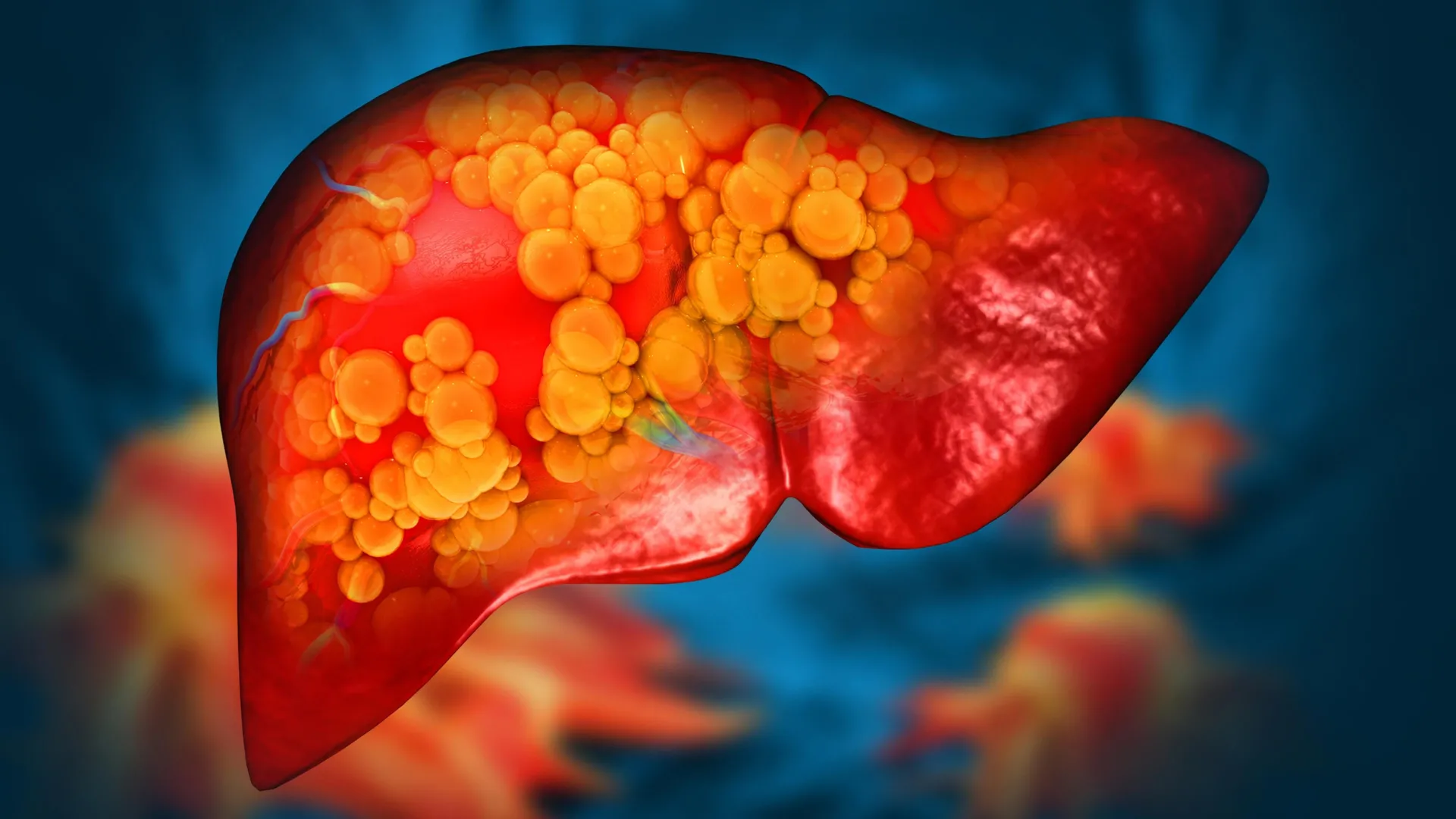
That late-night snack might have consequences beyond extra calories. Researchers at Oregon Health & Science University (OHSU) have found that eating late in the evening is associated with a significantly higher risk of liver disease, suggesting that when you eat could be an important factor in protecting your liver.
The study, published in Clinical Gastroenterology and Hepatology, found that people who regularly ate after dinner or after bedtime had a 20% to 30% higher risk of liver disease compared with those who avoided eating late. The conditions included metabolic dysfunction-associated steatotic liver disease, commonly known as fatty liver disease, and cirrhosis, a serious condition involving extensive scarring of the liver.
Previous studies have connected late-night eating with obesity and cardiovascular problems. However, researchers wanted to determine whether the habit might also be associated with liver disease.
“A few studies have hinted at this idea, but this is among the first long-term analyses to explicitly draw the connection to fatty liver disease,” said lead author Robert Wilechansky, M.D., a hepatologist at OHSU who specializes in liver transplantation.
Nearly 200,000 People Reveal a Troubling Pattern
To investigate the connection, researchers examined information from three major nationwide studies: the Nurses’ Health Study, the Nurses’ Health Study II, and the Health Professionals Follow-up Study.
Together, these datasets included nearly 200,000 participants who had provided information about their eating habits, daily routines, and other lifestyle factors. The researchers divided participants into groups according to when they typically ate, then compared those patterns with reports of fatty liver disease and cirrhosis.
The results revealed a consistent association. Participants who reported eating late at night had a 20% to 30% higher risk of liver disease than those who did not, raising questions about how the timing of meals might influence long-term liver health.
Fatty liver disease affects as much as 30% of the U.S. population. It develops when excess fat accumulates in the liver and can sometimes progress to inflammation, liver damage, and eventually cirrhosis. However, most people with fatty liver disease do not develop advanced liver scarring.
“It’s important to remember, of the people who developed fatty liver disease, only a small fraction develop serious forms of the condition like liver cirrhosis,” Wilechansky said. “Even so, the big take-away here is that confining your calorie intake to several hours before bedtime might be beneficial.”
Why Your Liver’s Internal Clock Matters
One possible explanation involves the body’s circadian rhythms, the internal biological processes that help regulate sleep, metabolism, and other functions throughout the approximately 24-hour daily cycle.
The liver is particularly sensitive to these rhythms. It helps process nutrients, regulate blood sugar, and manage how the body stores and uses energy. Eating at times when the body is biologically preparing for sleep may interfere with some of these processes.
Wilechansky became interested in the connection partly because of evidence involving night shift workers. People whose work schedules conflict with the body’s natural sleep and wake cycle experience higher rates of obesity and heart disease. This raised the possibility that irregular eating times could contribute to metabolic problems, including liver disease.
“We know the liver is very much in tune with the body’s circadian rhythms,” he said. “So we’re interested in changing the timing of eating in a way that could make a difference in health without changing the composition of what people eat.”
The idea is appealing because changing when meals are consumed could be easier for some people than substantially changing their diets.
Andrew McHill, Ph.D., a study co-author and associate professor specializing in sleep and circadian physiology at OHSU, said the findings strengthen existing evidence that the timing of everyday activities can have important health consequences.
“We are seeing over and over again that the timing of behaviors, whether it’s sleep, eating, or exercise, really matters,” said McHill. “For example, we have shown that eating during the night, when the internal biological clock is promoting sleep, reduces the ability of your body to metabolize foods as efficiently and can eventually lead to obesity, diabetes, and now poor liver health.”
Previous experiments involving animals have also identified the liver as one of the organs especially vulnerable to disruptions in the normal relationship between eating and sleeping.
Could Eating Earlier Help Protect Your Liver?
Although the findings raise concerns about late-night eating, the researchers emphasize that the study cannot establish cause and effect.
The analysis was observational, meaning it identified relationships between eating habits and health outcomes without directly testing whether changing meal times prevents liver disease. It also relied on participants’ self-reported information, including relatively broad descriptions of when they ate.
These limitations mean that other factors could help explain the association. More carefully controlled research is needed to determine whether eating earlier actually improves liver health.
Wilechansky is now involved in an OHSU clinical study that is recruiting participants to investigate that question. Rather than relying solely on past reports of eating habits, the team plans to monitor meal timing directly and evaluate whether shifting food consumption earlier leads to measurable improvements in people with underlying fatty liver disease.
The results could help determine whether meal timing deserves a place alongside established approaches to managing metabolic and liver health.
“Our findings add to the growing body of literature linking late-evening eating patterns to adverse metabolic and liver outcomes,” the authors write.
For now, the research offers an intriguing possibility: Improving liver health may not always require changing what is on your plate. Simply giving your body more time between its last meal and bedtime could potentially make a difference.
In addition to Wilechansky and McHill, the research team included Kevin Casey, M.P.H., Andrew Chan, M.D., Ph.D., and Tracey Simon, M.D., of Massachusetts General Hospital in Boston.
The research was supported by the American Association of the Study of Liver Diseases Foundation, award CTORA24-179910.
