


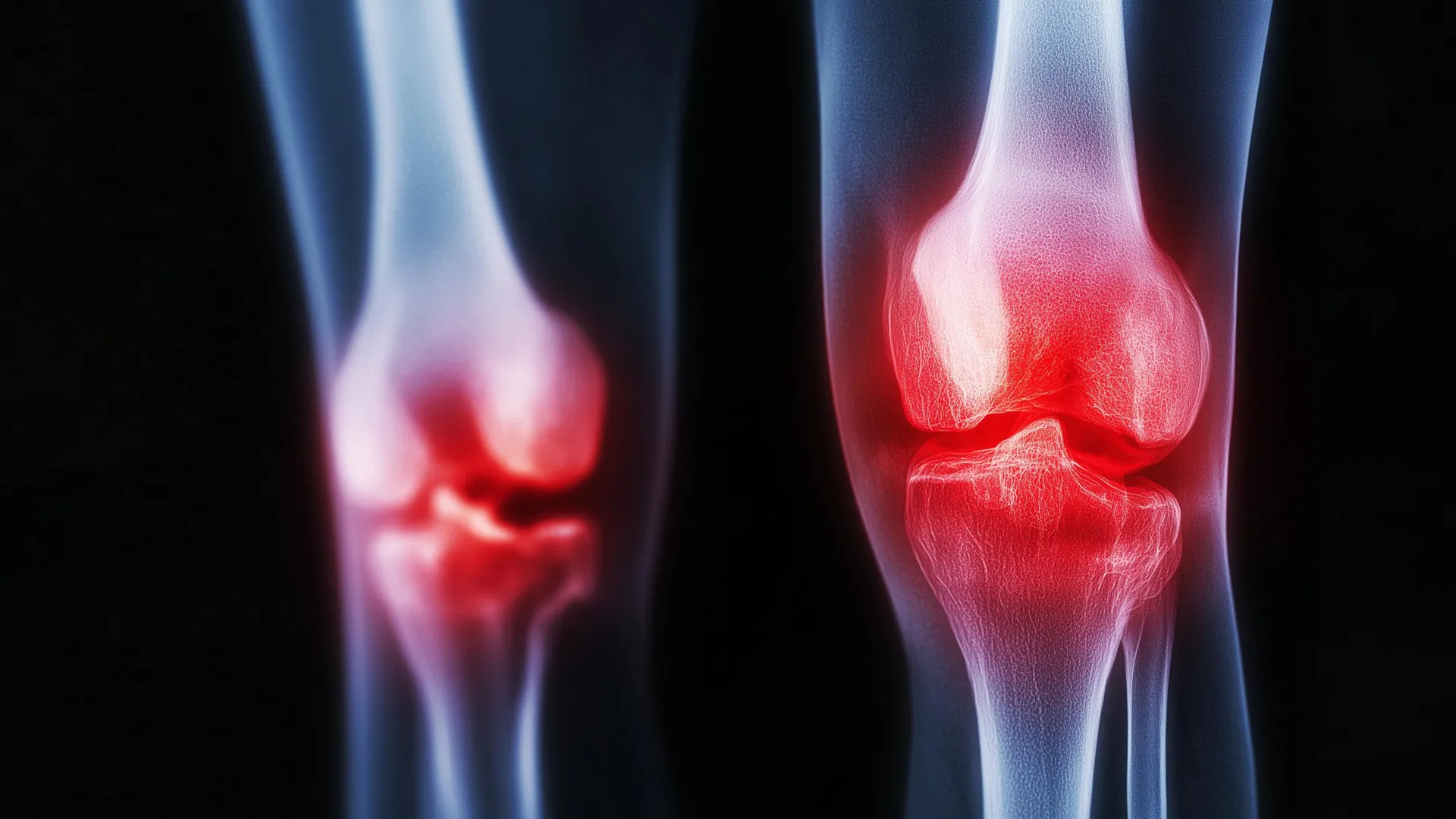
A minimally invasive procedure that targets abnormal blood vessels in the knee could provide lasting relief for people struggling with osteoarthritis, offering a potential alternative to joint replacement surgery.
In a study involving 194 patients, researchers found that a treatment using tiny particles that dissolve within hours was associated with substantial reductions in knee pain and improvements in mobility. The benefits persisted for at least 12 months, with 80% of patients assessed at the one-year follow-up reporting clinically meaningful pain relief.
The approach, known as genicular artery embolization, aims to interrupt the inflammation and abnormal blood vessel growth that contribute to chronic knee pain. Rather than replacing the damaged joint, doctors use a thin catheter to deliver microscopic particles directly into specific blood vessels.
The findings, published in the journal Radiology, suggest that this technique could provide another option for patients who have exhausted conventional treatments but cannot or do not want to undergo knee replacement surgery.
Why Knee Arthritis Is So Difficult To Treat
Osteoarthritis is the world’s most common form of arthritis and a major cause of disability. According to the World Health Organization, knee osteoarthritis affects more than 365 million adults worldwide.
The condition develops as cartilage, the protective tissue that cushions the ends of bones, gradually deteriorates. But osteoarthritis involves more than cartilage damage. Inflammation within the joint, changes in surrounding tissues, and increased sensitivity of pain signaling nerves can all contribute to persistent discomfort.
For many people, the consequences extend far beyond occasional knee pain. Everyday activities such as walking, climbing stairs, exercising, or standing for extended periods can become increasingly difficult.
Treatments typically begin with physical therapy, medication, and injections into the affected joint. When these approaches stop providing adequate relief, knee replacement surgery may eventually be considered. However, surgery is not appropriate or desirable for everyone.
“For many patients with knee osteoarthritis, there is a real treatment gap today,” said Florian Nima Fleckenstein, M.D., deputy head of Interventional Radiology Campus Mitte, Charité — Universitätsmedizin Berlin. “Conservative measures such as intra-articular injections no longer provide sufficient relief, but joint replacement is not an option for medical or personal reasons.”
A Different Way To Fight Knee Arthritis Pain
The treatment being investigated, genicular artery embolization (GAE), approaches knee arthritis from an unusual direction. Instead of focusing directly on damaged cartilage, it targets the abnormal blood vessels that develop around an inflamed joint.
These vessels can form within and around the synovium, a thin membrane lining the inside of the joint. As the vessels multiply, they can contribute to inflammation and encourage the growth of sensory nerves involved in transmitting pain.
GAE is designed to interrupt this process by reducing blood flow through the abnormal vessels while preserving the knee’s normal circulation.
During the procedure, an interventional radiologist inserts a thin catheter into an artery and carefully guides it toward the affected blood vessels. Tiny particles are then injected to block selected vessels, with the goal of reducing inflammation and pain.
The technique is called superselective embolization because doctors target specific small arteries rather than blocking circulation throughout the joint. It does not require an open surgical incision or replacement of the knee.
Researchers have previously investigated both temporary blocking agents and permanent microscopic particles. Each approach has potential drawbacks, including differences in how precisely the particles can be delivered and how long they remain inside the blood vessels.
For this study, the team examined rapidly resorbable, gelatin-based microspheres. These precisely sized, spherical particles are engineered to dissolve within hours, potentially combining the advantages of temporary agents with the controlled delivery of permanent microspheres.
“GAE is a whole new treatment regimen that targets abnormal hypervascularity around the joint and, in turn, modulates the pathological neurovascular environment,” Dr. Fleckenstein said.
Hypervascularity refers to an unusually high concentration of blood vessels. The pathological neurovascular environment describes the abnormal interactions between those vessels and pain signaling nerves in the affected tissue.
“By reducing both inflammation and pain, GAE with resorbable microspheres may be the first procedure that alters the course of the disease, slowing its progression.”
Whether the procedure can actually slow osteoarthritis progression remains an open question. Although reducing inflammation could theoretically influence the disease, the study did not demonstrate that GAE prevents cartilage deterioration or reverses existing joint damage.
Nearly 200 Patients Underwent the Procedure
To evaluate the approach, researchers conducted a prospective single-center study involving 194 patients with osteoarthritis-related knee pain. The participants included 114 women and 80 men, with a median age of 69 years and a median body mass index of 28.4.
All had continued to experience symptoms despite at least three months of conventional care, including physical therapy, anti-inflammatory medications, and injections into the knee.
“We believe these results carry real weight because they come from real-world data,” Dr. Fleckenstein said. “With this broad, inclusive study design, our participants are exactly the patients that physicians encounter every day in their practices.”
The procedures took place between July and November 2024. Forty-five participants (23%) had osteoarthritis affecting both knees and received two separate treatments, with the second performed within four weeks of the first.
Altogether, the researchers carried out 239 GAE procedures.
Doctors used real-time X-ray imaging, known as fluoroscopy, to guide the catheter and deliver the particles to the targeted arteries. All 239 procedures were technically successful, meaning the intended blood vessels were successfully treated.
The safety findings were also encouraging. No moderate or severe adverse events were recorded, and mild, temporary complications occurred in 6.7% of procedures.
These included brief skin discoloration near the treated area and one superficial collection of blood near the catheter insertion site. All resolved without lasting complications.
Knee Arthritis Pain Dropped and Stayed Lower for a Year
The researchers monitored pain, movement, and quality of life before treatment and at several intervals afterward. Assessments were conducted at six weeks, three months, six months, and 12 months. An orthopedic surgeon also examined patients in person at the six-month follow-up.
Participant retention remained relatively high throughout the study. Follow-up rates were 94% at six weeks (183/194), 89% at three months (172/194), 89% at six months (171/194), and 79% at 12 months (154/194).
The most striking finding was the sustained reduction in knee pain.
Using the Numeric Rating Scale (a 0-to-10 measure of pain intensity), median pain scores fell from 7 before treatment to 4 after six weeks. By six months, the median score had declined to 3, and it remained at that level at the 12-month follow-up.
That represents a reduction of more than half from the original median pain score, with benefits that were still apparent a full year after treatment.
“In our cohort, we saw a significant drop in pain and a significant increase in function, including sports and recreation and daily activity,” Dr. Fleckenstein said. “Most importantly, their quality of life significantly increased.”
Patients Also Reported Better Mobility and Quality of Life
The improvements extended beyond pain reduction. Researchers used the Knee Injury and Osteoarthritis Outcome Score, a standardized questionnaire that evaluates how knee problems affect symptoms, mobility, recreation, and everyday life.
Across all five areas assessed, patients reported meaningful progress during the year following treatment.
Median scores for daily activities increased from 53 to 71.5, suggesting that routine movements such as walking and climbing stairs became easier. Sports and recreation scores climbed from 15 to 36, indicating improvements in more physically demanding activities.
Scores measuring osteoarthritis symptoms rose from 51 to 68, while the pain category improved from 44 to 65 (where 0 indicates extreme knee pain and 100 indicates no pain at all).
Quality of life scores also increased substantially, rising from 19 before treatment to 40 after 12 months.
To determine whether these changes were large enough to matter to patients, the researchers applied established thresholds for clinically meaningful improvement.
Previous studies have identified a reduction of at least 2.0 points on the Numeric Rating Scale and an increase of at least 10 points in the Knee Injury and Osteoarthritis Outcome Score categories as meaningful improvements.
These thresholds are known as the minimum clinically important difference. In simple terms, they distinguish changes that are likely to be noticeable in daily life from smaller statistical differences that may have little practical significance.
At 12 months, 80% of participants who completed the pain assessment exceeded the clinically meaningful improvement threshold.
“Our study demonstrates that GAE using rapidly resorbable gelatin-based microspheres is a safe, minimally invasive therapy that provides meaningful pain relief and functional improvement in participants with osteoarthritis-related knee symptoms for at least 12 months,” Dr. Fleckenstein said. “By embolizing the pathological vessels, we’re able to normalize the vessel structure — and, in turn, the neuronal structure of the knee.”
What Other Studies Reveal About Knee Artery Embolization
The results add to a growing body of evidence investigating whether blocking abnormal knee blood vessels can offer sustained relief from osteoarthritis.
A randomized study published in Clinical Radiology in 2026 provided encouraging findings. Researchers compared GAE combined with standard care against standard care alone in 50 patients. After one year, pain scores had improved by 72.7% in the embolization group, compared with 24.2% in the standard care group. The treated patients also reported better knee function.
However, that study used polyvinyl alcohol particles rather than the dissolving gelatin particles examined by Fleckenstein’s team. It also did not include a sham procedure, making it difficult to separate the treatment’s physical effects from patients’ expectations.
Other research has raised important questions about how much of the improvement is caused by embolization itself.
A randomized, sham-controlled study published in European Radiology in April 2026 followed 58 patients for 12 months. Both the GAE and sham treatment groups experienced sustained reductions in pain, but researchers found no statistically significant difference between them. MRI examinations also failed to identify a significant reduction in joint inflammation attributable to embolization.
Similarly, an analysis appearing in the September 2026 issue of the European Journal of Radiology examined 22 studies involving 633 patients. Although pain scores often improved substantially after treatment, the researchers found no statistically significant advantage over sham procedures when results from three randomized trials were combined.
A separate June 2026 analysis of 45 studies involving 2,205 patients also documented improvements in pain and function, but judged the overall certainty of the evidence to be low or very low.
Together, these findings suggest that GAE is associated with promising improvements, particularly in observational studies, but more rigorous trials are needed to establish how much benefit comes directly from blocking the blood vessels.
Could This Treatment Help Patients Avoid Knee Replacement?
Despite the remaining uncertainties, researchers and medical specialists are increasingly exploring GAE as a possible option for patients who have limited alternatives.
In a 2026 position statement, the Society of Interventional Radiology supported offering the procedure to appropriately selected patients whose symptoms persist despite conservative treatment, particularly those who cannot undergo or wish to delay knee replacement surgery.
The society also emphasized the importance of specialist training, careful patient selection, and continued clinical trials to establish the treatment’s effectiveness and long-term safety.
The study led by Fleckenstein provides particularly valuable information about rapidly resorbable gelatin microspheres. With nearly 200 participants, it represented the largest published clinical investigation of this specific approach at the time.
Still, because the study did not include an untreated or sham treatment comparison group, it cannot establish how much of the observed improvement resulted directly from the procedure. The researchers also did not evaluate whether the treatment slows cartilage loss or prevents patients from eventually needing joint replacement.
Longer follow-up and larger controlled trials will be essential to determine how durable the benefits are, which patients respond best, and whether dissolving particles offer advantages over other embolization materials.
For patients whose knee arthritis continues to interfere with everyday life despite medication, therapy, and injections, the approach nevertheless represents an increasingly studied possibility.
“This lets us speak about safety and efficacy with real confidence,” Dr. Fleckenstein said. “For the right patient, it can mean lasting relief from a single, minimally invasive procedure — a meaningful new option between injections and joint replacement.”
