


Australian authorities have disrupted an alleged wildlife trafficking syndicate, uncovering a clandestine operation where smuggled native animals were hoarded alongside caches of cash and gold, reports contributor Johan Augustin for Mongabay.
The operation reportedly seized 28 native and a few exotic species alongside approximately A$300,000 (nearly $210,000) in cash, gold, and silver bullion on July 16. The bust marks the first major wildlife crime investigation carried out by the new National Environmental Protection Agency (National EPA), Australia’s first independent federal environmental regulator, launched on July 1.
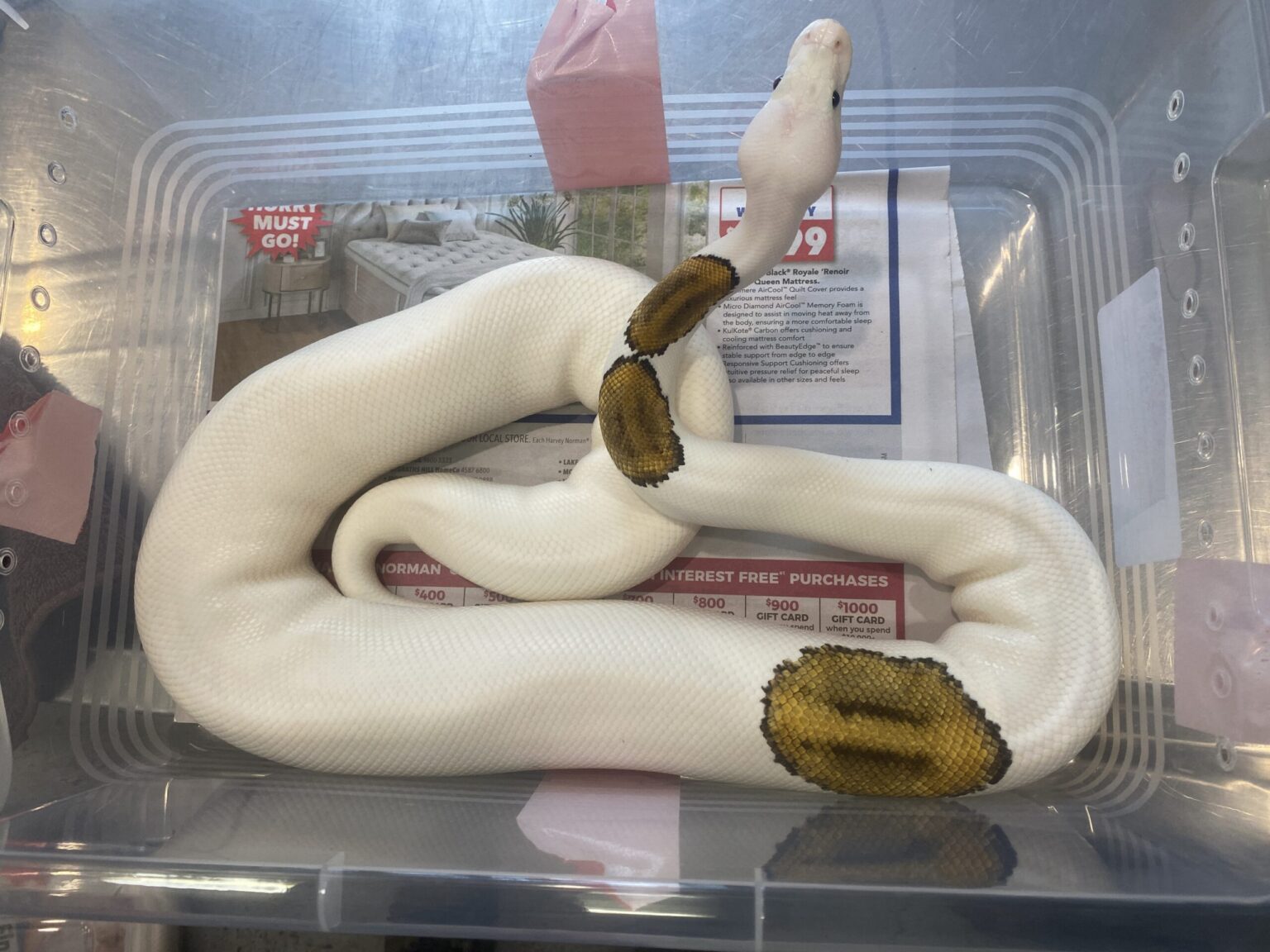
In addition to the 28 native Australian reptiles — including shingleback lizards (Tiliqua rugosa), spiny-tailed skinks (Egernia stokesii), and lace monitors (Varanus varius) — there were heavily regulated nonnative species like a North American hognose snake (genus Heterodon) and a ball python (Python regius). The agency alleges the native species were supplied to foreign nationals for illegal export.
“Illegal trade of Australia’s native wildlife is a serious crime,” Dani Yannopoulos, head of the National EPA’s environmental permitting and compliance division, said in a media release published Aug. 22. “Australia’s native wildlife is precious and we are working closely with [Australian] Border Force and international partners to stop those who attempt to exploit it through the illegal wildlife trade.”
Yannopoulos added that anyone taking part in the illegal wildlife trade risks serious penalties.
Under Australian federal environmental law, exporting native animals or eggs without a permit carries penalties of up to 10 years in prison and fines reaching A$364,000 ($253,000). Even so, immense profits continue to incentivize criminal syndicates. Native lizards that sell legally in Australia for A$100 to A$400 ($70 to $280) can command between A$1,000 and A$20,000 ($700 and $14,000) on foreign black markets.
“Wildlife trafficking is worth about $30 billion a year in the East Asia and Pacific region alone,” Tanya Plibersek, Australia’s minister for the environment and water, said in a press release. “The price of Australian reptiles on the international black market can be more than 28 times the domestic price.”
Plibersek added that Australian wildlife is highly lucrative to criminals and organized crime syndicates, “especially those animals that are already vulnerable or threatened with extinction.”
Between June 2025 and May 2026, authorities intercepted 113 illegal exports involving 1,250 native animals, according to the Department of Climate Change, Energy, the Environment and Water.
“Australian reptiles have always been common and attractive in the exotic pet trade,” said Phil Cassey, director at the Wildlife Crime Research Hub. “We’re also seeing a rise in non-native pet species coming … into Australia, including mammals and most recently a big rise in the popularity of insect and invertebrate species — including spiders, scorpions, cockroaches and ants.”
Read the full story by Johan Augustin here.
Banner image: In its first major operation since being established on July 1, Australia’s National EPA seized reptiles, including hognose snakes and ball pythons. Image courtesy of the National EPA.
