


In a meeting Wednesday afternoon, EU officials endorsed the position, pledging to defer any future drawdowns “pending a clearer IEA assessment of market conditions and security-of-supply risks,” said one of the diplomats. Countries need to know “how low we can go,” said another.
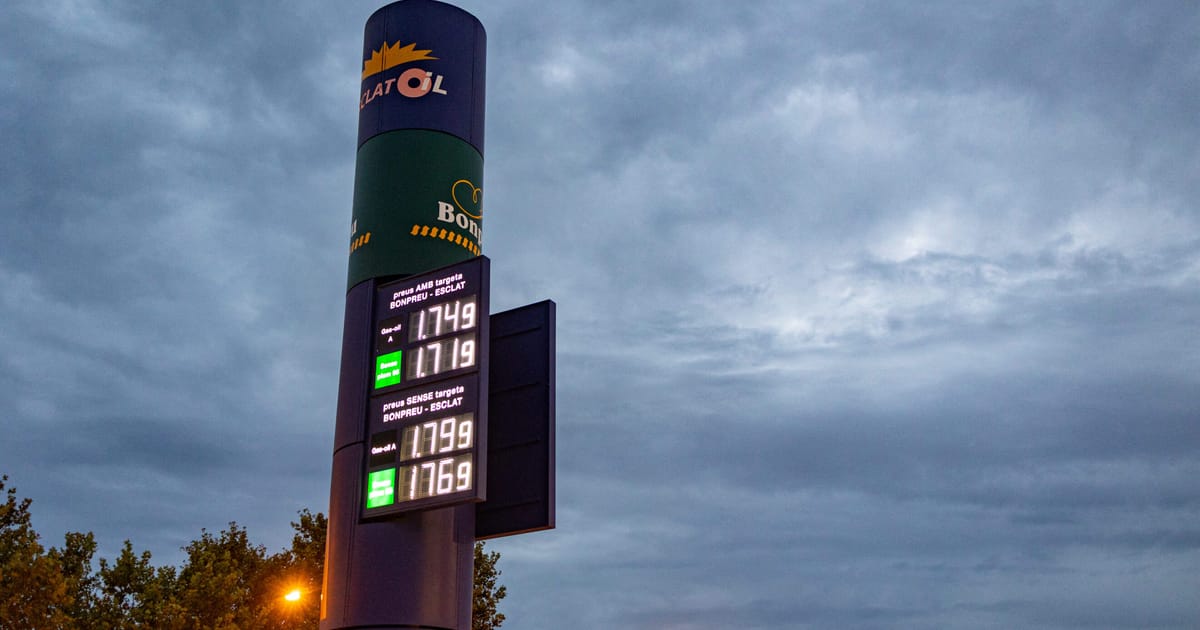
While diesel prices are high as a result of airstrikes on energy infrastructure in Russia and the Middle East, some EU countries warned that releasing stocks now could leave them vulnerable in the event of a supply crisis.
There remain enough untapped stocks among IEA members to satisfy the pledge to release 100 million barrels.
Of the 400 million barrels pledged in March, 325 million have been released, with some countries releasing “greater volumes than they initially pledged,” the IEA said in a statement following an emergency ministerial meeting. That leaves around 100 million left that countries can still release under that agreement, it added.
It said the fresh commitment would represent a “completion” of that March agreement. The IEA’s 32 members include wealthy European, North American and East Asian countries.
POLITICO reported earlier Wednesday that France and Germany — which hold some of Europe’s most significant stockpiles — had signalled they would release no or minimal supplies on top of those already pledged.
It remains unclear what share of the releases non-EU members of the IEA will accept, after Japan, another member, ruled out any further releases.
Further details on the breakdown of the G7 release will be discussed at a meeting of the IEA’s governing board next week, the second diplomat said.
