


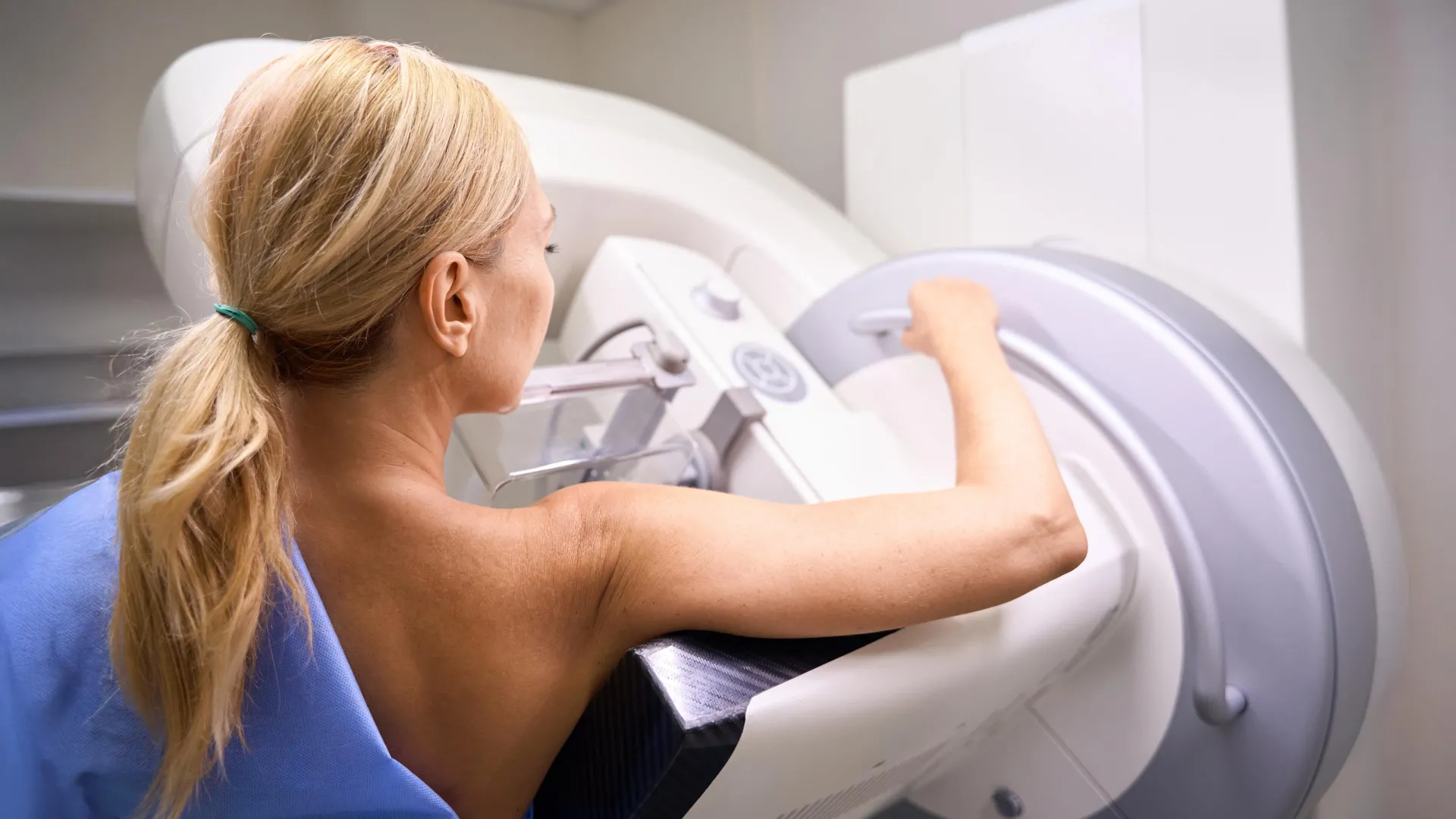
Breast cancer screening can sometimes identify cancers that would never have caused symptoms or threatened a woman’s health during her lifetime. This phenomenon is known as overdiagnosis, and it has long been considered one of the potential drawbacks of screening.
For decades, researchers have debated how often overdiagnosis actually occurs. Estimates from randomized trials have differed sharply, with some studies suggesting that 30-50% of breast cancers detected through screening could fall into this category. Those figures have influenced international discussions about both the benefits and possible harms of population-based breast cancer screening.
“The aim of our study was to bring together the evidence from all randomized controlled trials to get a clearer picture of the extent of overdiagnosis in breast cancer screening,” says Sisse Helle Njor, professor at University of Southern Denmark and Lillebælt Hospital. She continues:
“Randomized trials have often been cited as evidence that overdiagnosis is a substantial problem. Our study shows that this interpretation is not as straightforward as it may seem.”
The researchers found that the additional breast cancer cases detected in randomized trials closely resembled patterns seen in Denmark, where overdiagnosis associated with screening is estimated to be below 5%.
A New Look at Mammography Trials
To investigate the issue, the team combined and reanalyzed results from all randomized trials of mammography screening and compared them with data from Denmark.
Denmark offered a useful real world reference because organized breast cancer screening began in some regions 17 years earlier than in others. That difference allowed researchers to track how breast cancer diagnoses changed immediately after screening was introduced and how those patterns evolved over longer periods.
“When screening is introduced, the number of breast cancer diagnoses initially rises because cancers are detected earlier than they would have been without screening. Over time, this should be followed by a drop, as some of these cancers would otherwise have been diagnosed later. This pattern can also be affected if women in either group continue to undergo screening after the trials had ended, which was common. If researchers do not take these factors into account, the initial increase can be mistaken for overdiagnosis,” says Elsebeth Lynge, professor emerita at Department of Public Health, University of Copenhagen.
The researchers compared breast cancer incidence at matching points in time in the randomized trials and in Denmark’s routine screening programs. This allowed them to assess whether the patterns were similar and what those similarities might reveal about the true scale of overdiagnosis.
“Taken together, we believe some previous high estimates of overdiagnosis, which influenced screening guidelines and communication, were based on evidence before trial data had fully matured. When interpreted in their full temporal context, randomized trial data are consistent with overdiagnosis of less than five percent, rather than with estimates nearing 50%,” says Matejka Rebolj, Senior Epidemiologist, Queen Mary University of London.
Facts: Overdiagnosis
Overdiagnosis occurs when screening detects a breast cancer that would never have become life-threatening or caused symptoms during a woman’s lifetime. Without screening, the woman would never have known that the cancer was present.
The definition can also include women who die from another cause shortly after receiving a breast cancer diagnosis. In these cases, screening may have offered little benefit because poor health or limited life expectancy meant that finding and treating the cancer was unlikely to improve health or extend life.
Why Timing Can Change the Numbers
A key issue is that screening changes when a cancer is diagnosed.
When mammography is introduced, more cancers are detected earlier, producing an initial rise in the number of diagnoses. Some of those cancers would eventually have been found even without screening, meaning diagnosis rates should later decline as those cases shift forward in time.
If a study ends before enough time has passed for that decline to become visible, researchers may incorrectly interpret some of the early increase as overdiagnosis. Estimates can also be distorted when women in control groups later receive screening themselves.
The new analysis suggests that accounting for these timing effects can substantially change estimates of how often mammography identifies cancers that would otherwise never have caused a problem.
What Overdiagnosis Means for Women
Understanding both the benefits and potential downsides of screening is important for women deciding whether to participate in breast cancer screening programs.
“Most women will not develop breast cancer, but with this study we can now be reassured that the benefits of detecting breast cancer early and preventing premature death will outweigh the small risk of unnecessary treatment,” says Sisse Helle Njor.
“With this in mind, we hope this study will provide a framework for a more realistic interpretation of the evidence and help us better inform women when they are invited for screening.”
Facts: About the Study
The researchers performed a new analysis of existing mammography screening research.
Their analysis included all eight randomized trials in this field: the New York Health Insurance Plan, Malmö, Two-County, Edinburgh, the Canadian National Breast Screening Study, Stockholm, Gothenburg, and UK Age.
Two regional screening programs in Denmark were used as a reference. The researchers examined both invasive breast cancer and ductal carcinoma in situ (DCIS).
When reassessing the earlier trials, the team focused on three factors that can influence estimates of overdiagnosis:
- Whether women in the control group later underwent screening, such as after the trial ended or after routine screening programs were introduced.
- The number of screening rounds offered to women in each group. Additional screening rounds create more opportunities to detect cancers earlier.
- The length of follow-up for women in the screening and control groups. Longer follow-up gives more time for cancers found earlier through screening to eventually appear among women in the control group.
After taking these differences in screening exposure and follow-up into account, the researchers concluded that overdiagnosis may be substantially less common than earlier estimates suggested.
Funding
Casper Urth Pedersen is supported by the Novo Nordisk Foundation (reference: NNF22OC0076184), and Matejka Rebolj is supported by Cancer Research UK (reference: C8162/A29083).
