

Close Menu
NCIJ Network NCIJ Network
    What's Hot

    Apple Mac Mini (M6) Review: For the AI Curious

    September 21, 2026

    Multi-agent AI systems are taking over supply chain execution

    September 21, 2026

    TASK#STOMP PowerShell Backdoor Steals Documents, Wi-Fi Passwords, and Clipboard Data

    September 21, 2026
    Facebook X (Twitter) Instagram
    Trending
    • Apple Mac Mini (M6) Review: For the AI Curious
    • Multi-agent AI systems are taking over supply chain execution
    • TASK#STOMP PowerShell Backdoor Steals Documents, Wi-Fi Passwords, and Clipboard Data
    • Russian Crypto Industry Could Be Operating By Year-End
    • Arctic Melt Season Length Levels Off
    • Become a Truth Sleuth: Send us any suspected misinformation this election season
    • A Roadmap for the Next UN Secretary-General by Philipp Schönrock
    • Old video of Alaskan glacier shared with claims it shows cause of Nepal flood – Full Fact
    • About
      • Our Team
      • Editorial Policy
      • Editorial Independence
      • International Support
    • Trust & Standards
      • AI Usage Policy
      • Conflict of Interest Policy
      • Corrections Policy
      • Ethics Policy
      • Fact-Checking Policy
      • Source Protection
    • Get Involved
      • Guide for Sources
      • Support Independent Journalism
    • Legal
      • Cookie Policy
      • Privacy Policy
      • Terms of Use
    Facebook X (Twitter) Instagram
    NCIJ Network NCIJ Network
    Monday, September 21
    • Home
    • World
    • Ai
    • Business
    • Politics
    • Health
    • Crypto
    • Science
    • Technology
    • Cybersecurity
    • Defense & Security
    • Economy
    • Energy
    • Europe
    • More
      • Fact Check
      • Investigations
      • Opinion & Analysis
      • Environment
    NCIJ Network NCIJ Network
    Home»Science

    MRIs show brain changes linked to Alzheimer’s years in advance

    NCIJ NETWNCIJ NETWORKBy NCIJ NETWNCIJ NETWORKSeptember 21, 2026 Science No Comments3 Mins Read
    Share
    Facebook Twitter LinkedIn Pinterest Email

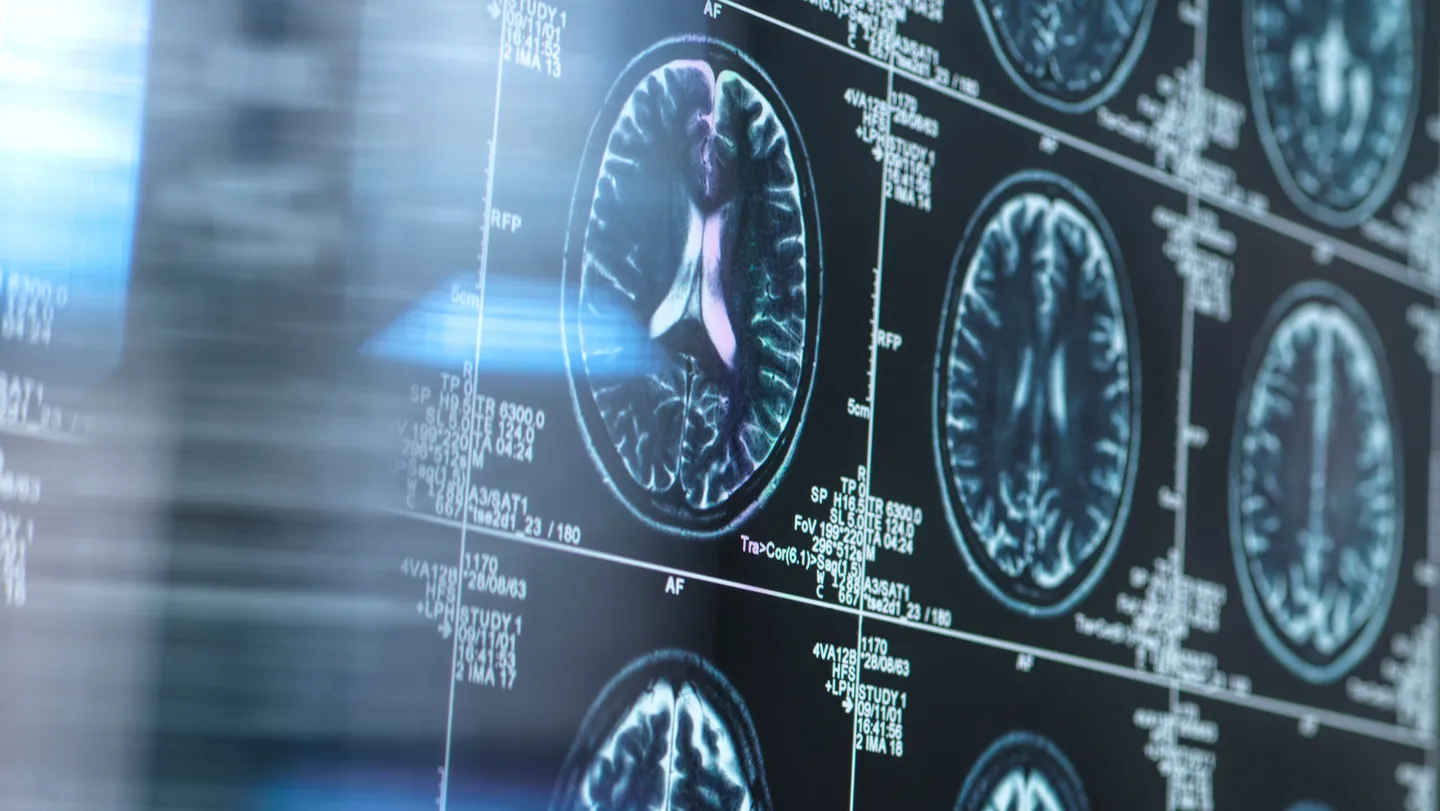
    Brain imaging could reveal early changes linked to Alzheimer’s disease.

    MRI scans show that the thickness of the outermost layer of the brain changes before the onset of the disease, detectable up to seven years prior, researchers reported August 19 in Nature Neuroscience. Though the differences are too subtle to use as a diagnostic tool, they could help researchers understand the early stages of Alzheimer’s.

    Alzheimer’s disease is the most common form of dementia and can cause memory loss, disorientation and behavior shifts. But changes in the brain can occur long before these cognitive symptoms appear. Sticky protein fragments called amyloid-beta build up in the brains of people who go on to develop Alzheimer’s. These bundles, along with tangles of another protein called tau, slowly kill off brain cells and shrink the brain.

    Sign up for our newsletter

    We summarize the week’s scientific breakthroughs every Thursday.


    Under the current criteria, spotting A-beta buildups via positron emission tomography scans, or PET scans, is enough for an Alzheimer’s diagnosis even in the absence of cognitive symptoms. But most people do not receive PET scans without symptoms, so they won’t get diagnosed until later.

    To better understand how the disease takes shape, Alzheimer’s researcher Yunpeng Wang and colleagues wanted to test whether they could spot brain changes before patients developed A-beta buildups.

    The team examined MRI scans from over a thousand participants in long-term studies that track brain changes with aging. Wang and colleagues compared changes in the thickness of the cortex — the outermost layer of the brain, which averages around 2.5 millimeters thick— between people who later showed high A-beta levels and people who did not.

    People who went on to develop high A-beta levels had thicker cortices than people who did not. Differences in thickness of a few hundredths of a millimeter were visible up to seven years before the participants were deemed to have high A-beta levels based on their PET scans. The cortices of people in both groups thinned naturally with age, but those of people who later developed high A-beta thinned less overall. The researchers didn’t observe any link between the thickness of the cortex and memory problems at this early stage of the disease.

    The findings imply that “the trajectory of cortical changes is not [as] simplistic as we used to think,” says Victor Montal, a degenerative diseases researcher at the Barcelona Supercomputing Center who was not involved in the work. Rather than assuming the cortex thins consistently due to atrophy as the disease progresses, researchers will need to account for slower thinning in the early stages when studying Alzheimer’s, he says.

    The relative thickening of the cortex might come from inflammation that occurs as A-beta first starts to accumulate, says Wang, of the University of Oslo. But MRIs can’t determine the cause of the thickening directly.

    “I don’t think that this cortical thickness is something you’re going to use clinically,” says Frederik Barkhof, a neuroradiologist at University College London who was not involved in the study. The changes in cortex thickness are too subtle to use as individual diagnostic tools, he says, but they could help researchers understand the mechanisms behind Alzheimer’s disease and emerging treatments.

    For example, some existing Alzheimer’s treatments remove A-beta but don’t stop the volume loss in the brain. The new findings could indicate that the current treatments reduce inflammation and not that a patient is losing excess brain tissue despite treatment, he says.

    Advance Alzheimers brain linked MRIs show years
    NCIJ NETWNCIJ NETWORK
    • Website

    Keep Reading

    Arctic Melt Season Length Levels Off

    Widely Attended Gatherings (WAGs) Determinations

    Black holes of every size follow the same surprising rule

    Johnson Space Center Sparks Curiosity at Houston’s 33rd Annual Japan Festival  

    Has Wisconsin’s tax on gas and diesel stayed the same for 20 years?

    Millions take calcium and vitamin D for bone health. A major review finds little benefit

    Add A Comment
    Leave A Reply Cancel Reply

    Editors Picks

    Apple Mac Mini (M6) Review: For the AI Curious

    September 21, 2026

    Multi-agent AI systems are taking over supply chain execution

    September 21, 2026

    TASK#STOMP PowerShell Backdoor Steals Documents, Wi-Fi Passwords, and Clipboard Data

    September 21, 2026

    Russian Crypto Industry Could Be Operating By Year-End

    September 21, 2026
    Latest Posts

    Google Assistant will disappear from your phone next month

    August 5, 2026

    Pope Leo Will Visit Peru, Where He Lived for Years, in November

    August 5, 2026

    Forget the goals and PBs – just enjoy it | Sport

    August 5, 2026

    Subscribe to News

    Get the latest sports news from NewsSite about world, sports and politics.

    NCIJ Network is an independent digital news platform delivering trusted investigative journalism, European and global news, in-depth analysis, and fact-based reporting with accuracy, transparency, and integrity.

    Facebook X (Twitter) Instagram Pinterest YouTube

    Apple Mac Mini (M6) Review: For the AI Curious

    September 21, 2026

    Multi-agent AI systems are taking over supply chain execution

    September 21, 2026

    TASK#STOMP PowerShell Backdoor Steals Documents, Wi-Fi Passwords, and Clipboard Data

    September 21, 2026

    Subscribe to Updates

    Get the latest creative news from FooBar about art, design and business.

    Type above and press Enter to search. Press Esc to cancel.