

Close Menu
NCIJ Network NCIJ Network
    What's Hot

    Merz und die Wut der Basis – POLITICO

    November 2, 2026

    Scientists smash oxygen nuclei to recreate matter from the Big Bang

    November 2, 2026

    France aims for ‘responsible’ 2027 budget as Fitch downgrades outlook

    November 2, 2026
    Facebook X (Twitter) Instagram
    Trending
    • Merz und die Wut der Basis – POLITICO
    • Scientists smash oxygen nuclei to recreate matter from the Big Bang
    • France aims for ‘responsible’ 2027 budget as Fitch downgrades outlook
    • A surprising vitamin A discovery is changing what scientists know about vision
    • Allies fear Trump will target NATO in case of midterm loss – POLITICO
    • Ancient ape fossil in Egypt could rewrite the story of human origins
    • Did Trump say he wanted to rename Montana to ‘Mountain’?
    • Curfews, 70,000 police and Halloween fears: France braces for fresh protests
    • About
      • Our Team
      • Editorial Policy
      • Editorial Independence
      • International Support
    • Trust & Standards
      • AI Usage Policy
      • Conflict of Interest Policy
      • Corrections Policy
      • Ethics Policy
      • Fact-Checking Policy
      • Source Protection
    • Get Involved
      • Guide for Sources
      • Support Independent Journalism
    • Legal
      • Cookie Policy
      • Privacy Policy
      • Terms of Use
    Facebook X (Twitter) Instagram
    NCIJ Network NCIJ Network
    Monday, November 2
    • Home
    • World
    • Ai
    • Business
    • Politics
    • Health
    • Crypto
    • Science
    • Technology
    • Cybersecurity
    • Defense & Security
    • Economy
    • Energy
    • Europe
    • More
      • Fact Check
      • Investigations
      • Opinion & Analysis
      • Environment
    NCIJ Network NCIJ Network
    Home»Environment

    Marine heatwave likely caused sharp decline in Hawaiian humpback whales, study finds

    NCIJ NETWNCIJ NETWORKBy NCIJ NETWNCIJ NETWORKSeptember 15, 2026 Environment No Comments3 Mins Read
    Share
    Facebook Twitter LinkedIn Pinterest Email

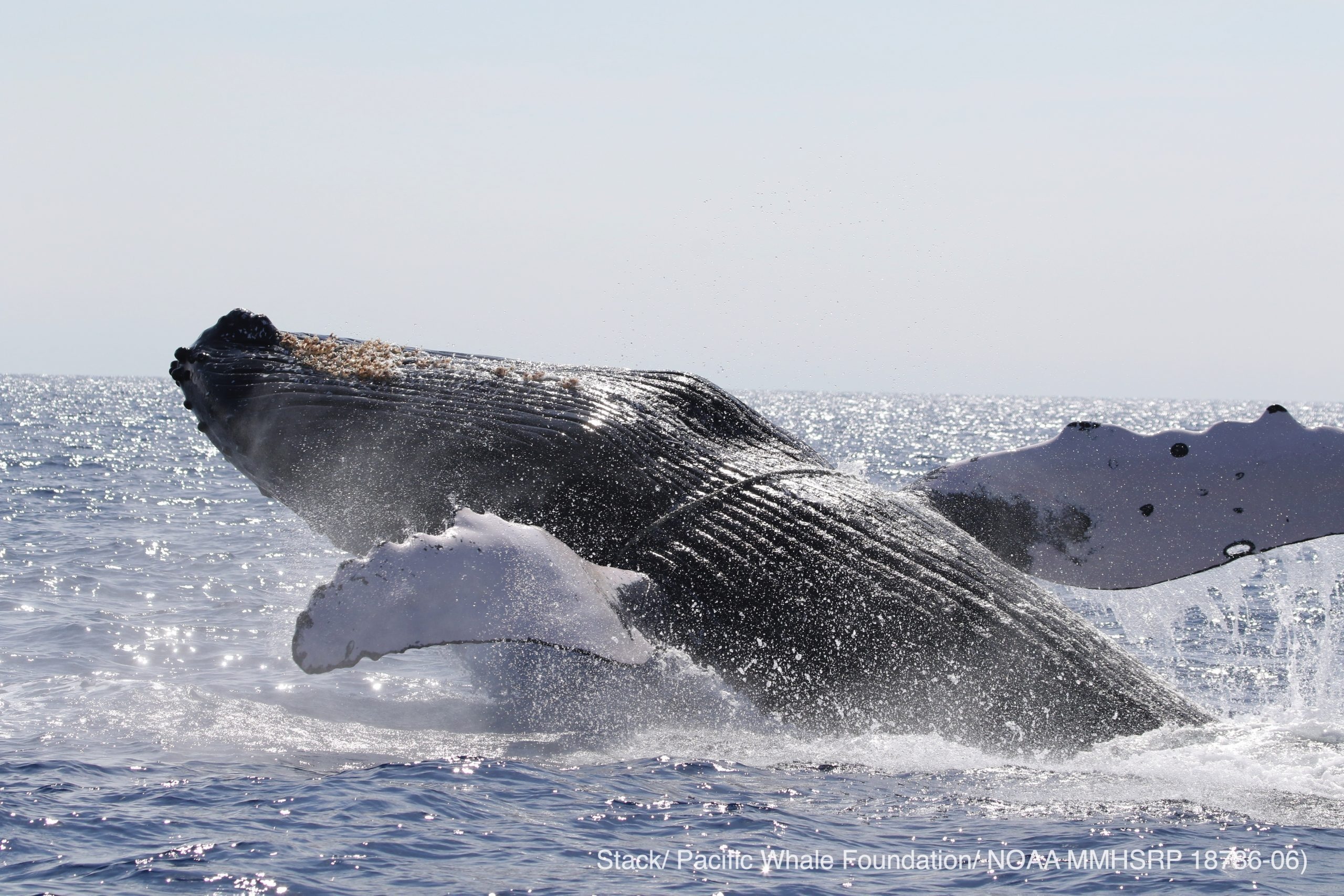
    Roughly a decade ago, a marine heatwave in the northeastern Pacific Ocean caused a dramatic decline in populations of forage fish and krill, the base of the marine food chain. A recent study found that the Hawaiian humpback whale population, which feeds on krill and small fish, also declined sharply during the 2013-16 heatwave and has not yet recovered.

    Humpback whales (Megaptera novaeangliae) in the North Pacific feed in cold Alaskan and Canadian waters during the summer months before traveling roughly 4,800 kilometers (3,000 miles) to Hawaii to breed and give birth over the winter.

    To understand the impact of the 2013-2016 marine heatwave, researchers analyzed more than 27,000 photos of whale sightings between 2002 and 2023 across the main Hawaiian islands. The photos came from Happywhale, a citizen science platform where anyone can upload images of whale flukes (tail fins) that scientists use to identify individuals. “Their flukes are a bit like a fingerprint for each individual humpback whale,” study co-author Shannon Barber-Meyer, formerly with Pacific Whale Foundation, told Mongabay in a video call.

    The researchers found the Hawaiian humpback whale population declined by 37% between the 2014-2015 breeding season and the 2021-2022 season.

    Adult survival rates also fell sharply. Before the heatwave, roughly 99% of adult whales survived year over year, but during the heatwave, adult survival was estimated at just 68%. “It’s a very precipitous drop, and that’s not something you normally see in adult survival of long-lived mammals,” Barber-Meyer said.

    During the heatwave, researchers documented an unusual mortality event in Alaska and British Columbia including “humpback whales that were starving and dying,” Barber-Meyer said. The final population estimate suggests there were roughly 5,000 fewer humpbacks after the marine heatwave. While it’s possible some migrated to other regions, researchers believe many likely died.

    John Calambokidis, a research biologist with the U.S.-based non-profit Cascadia Research Collective, who was not involved with the study, told Mongabay in an email that it offered “valuable insights into the potential impacts of future changes” for whales. He added he’s seeing a similar decline in gray whales (Eschrichtius robustus), “driven by changes in conditions in the Arctic including ice loss,” a trend Mongabay has covered.

    The North Pacific is again facing a marine heatwave that’s bringing abnormally high sea surface temperatures to the region. Meanwhile, a strong El Niño in the tropical Pacific means much of the Pacific Ocean is currently well above the average temperature.

    The Hawaiian humpback population still hasn’t recovered from the 2013-2016 heatwave, making the marine mammals more vulnerable to other anthropogenic dangers including entanglements, ship strikes and pollution.

    Humpbacks live in every ocean, migrating between the poles for food and the equator to breed. Study co-author Daniel Palacios, with the Center for Coastal Studies, told Mongabay by email that disruptions to the climate system could also affect humpback whale populations globally.

    Banner image: A humpback whale in Hawaii. Image courtesy of Pacific Whale Foundation/NOAA via Associated Press.


    caused decline finds Hawaiian heatwave humpback Marine sharp study whales
    NCIJ NETWNCIJ NETWORK
    • Website

    Keep Reading

    Will Josh Shapiro’s Data Center Past Haunt his Political Future?

    The Amazonian Community That Beat Big Oil Is Sharing Its Secrets

    Rural Charms Drew Residents to Taylor, Texas. Then Came the Data Centers.

    ‘Fascinating’ rare beetle found in Wales again after three year search

    Environmental defenders testify about attacks in Latin America linked to Canadian mining companies

    Fishing cat rescue-and-release offers potential model for conservation in Bangladesh

    Add A Comment
    Leave A Reply Cancel Reply

    Editors Picks

    Merz und die Wut der Basis – POLITICO

    November 2, 2026

    Scientists smash oxygen nuclei to recreate matter from the Big Bang

    November 2, 2026

    France aims for ‘responsible’ 2027 budget as Fitch downgrades outlook

    November 2, 2026

    A surprising vitamin A discovery is changing what scientists know about vision

    November 2, 2026
    Latest Posts

    Kog is going deeper to squeeze more inference out of GPUs

    August 17, 2026

    More women will die if domestic abusers leave prison early, victim’s parents warn | Domestic violence

    August 17, 2026

    Nothing less than radical whole-system change is required to fix the NHS’s maternity services | Julia Sanders

    August 17, 2026

    Subscribe to News

    Get the latest sports news from NewsSite about world, sports and politics.

    NCIJ Network is an independent digital news platform delivering trusted investigative journalism, European and global news, in-depth analysis, and fact-based reporting with accuracy, transparency, and integrity.

    Facebook X (Twitter) Instagram Pinterest YouTube

    Merz und die Wut der Basis – POLITICO

    November 2, 2026

    Scientists smash oxygen nuclei to recreate matter from the Big Bang

    November 2, 2026

    France aims for ‘responsible’ 2027 budget as Fitch downgrades outlook

    November 2, 2026

    Subscribe to Updates

    Get the latest creative news from FooBar about art, design and business.

    Type above and press Enter to search. Press Esc to cancel.