

Close Menu
NCIJ Network NCIJ Network
    What's Hot

    Will Burnham find PMQs as ‘nail biting’ and ‘nerve wracking’ as Blair did?

    September 2, 2026

    Autonomous aircraft: Pilot-free crop dusters lead the way

    September 2, 2026

    Attackers Exploit Critical Langflow and Rails Flaws in Credential-Probing and C2 Activity

    September 2, 2026
    Facebook X (Twitter) Instagram
    Trending
    • Will Burnham find PMQs as ‘nail biting’ and ‘nerve wracking’ as Blair did?
    • Autonomous aircraft: Pilot-free crop dusters lead the way
    • Attackers Exploit Critical Langflow and Rails Flaws in Credential-Probing and C2 Activity
    • BlackRock’s IShares Bitcoin Trust Is Beating Top S&P 500 ETF
    • Scientists find a human-only gene that may help explain our brainpower
    • Biomass cooking fuels raise toxic metal exposure risks in Bangladesh, study finds
    • The shadow of the AfD hangs over German democracy – but I still have faith in my adopted country | John Kampfner
    • Talking With Giorgia Meloni – The New York Times
    • About
      • Our Team
      • Editorial Policy
      • Editorial Independence
      • International Support
    • Trust & Standards
      • AI Usage Policy
      • Conflict of Interest Policy
      • Corrections Policy
      • Ethics Policy
      • Fact-Checking Policy
      • Source Protection
    • Get Involved
      • Guide for Sources
      • Support Independent Journalism
    • Legal
      • Cookie Policy
      • Privacy Policy
      • Terms of Use
    Facebook X (Twitter) Instagram
    NCIJ Network NCIJ Network
    Wednesday, September 2
    • Home
    • World
    • Ai
    • Business
    • Politics
    • Health
    • Crypto
    • Science
    • Technology
    • Cybersecurity
    • Defense & Security
    • Economy
    • Energy
    • Europe
    • More
      • Fact Check
      • Investigations
      • Opinion & Analysis
      • Environment
    NCIJ Network NCIJ Network
    Home»Science

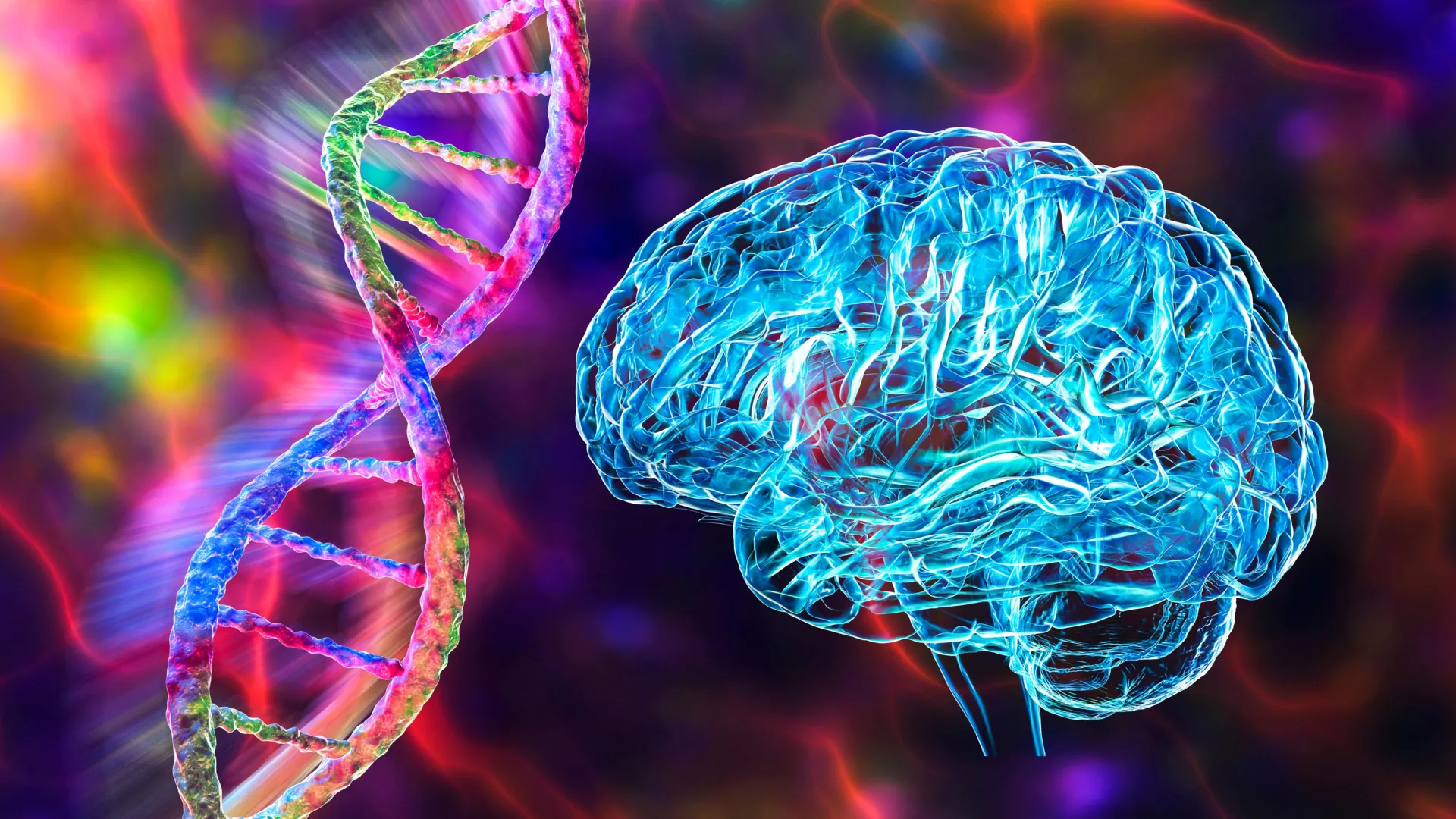
    Scientists find a human-only gene that may help explain our brainpower

    NCIJ NETWNCIJ NETWORKBy NCIJ NETWNCIJ NETWORKSeptember 2, 2026 Science No Comments3 Mins Read
    Share
    Facebook Twitter LinkedIn Pinterest Email

    Microglia are the brain’s most abundant immune cells. They help protect the brain from harmful invaders, clear away damaged neurons, and support normal brain development. Researchers at Columbia’s Zuckerman Institute have now found for the first time that human microglia, much like human neurons, mature far more slowly than comparable cells in other animals.

    “This slow development may help human microglia influence the human brain in ways that enable our powerful cognitive abilities,” said Carlos Diaz-Salazar, PhD, the lead author of a new Neuron study on the subject, who carried out the work while in the lab of Franck Polleux, PhD.

    A Human-Specific Gene With an Unusual Role

    The Polleux lab has spent more than 15 years studying SRGAP2, one of several dozen genes that were duplicated specifically in humans. The group’s broader goal is to understand the biological features that distinguish the human brain from those of other animals.

    Earlier work by Dr. Polleux showed that human-specific copies of SRGAP2 increase the number of synapses, or connections, made by neurons while also causing those synapses to mature very slowly. Both traits are distinctive features of human neurons among mammals. The result is a denser and stronger network of neuronal connections that may enhance the brain’s ability to process and store information.

    In the new research, Dr. Diaz-Salazar found something unexpected. Human-specific copies of SRGAP2 were nearly 10 times more abundant in microglia than in neurons.

    “So the question was, ‘Why on Earth is this gene so active in microglia?'” recalled Dr. Polleux, a principal investigator at the Zuckerman Institute.

    Microglia Help Shape Developing Brain Circuits

    Over roughly the past two decades, scientists have learned that microglia do much more than fight infections and help repair brain damage. These cells, which account for 5 to 10 percent of brain cells, also help organize the developing brain.

    During development, microglia influence which synapses neurons retain and which ones are eliminated. They can also make synapses more or less responsive, helping fine-tune communication within brain circuits.

    Experiments using mice and human cells showed that the human-specific copies of SRGAP2 dramatically slow the development of human microglia. Human microglia take about four to eight years to mature, while microglia in mice reach maturity in roughly three weeks.

    “This gene helps control the developmental tempo of neurons, and nature has also selected it to control the development of microglia that are so crucial to neuron development, so they are in sync during development,” said Dr. Diaz-Salazar, who is now a researcher at the Hospital del Mar Medical Research Institute in Barcelona.

    Why the Human Brain Takes So Long To Mature

    Compared with the brains of other mammals, the human brain develops over an unusually long period. Scientists refer to this extended developmental timetable as neoteny, and it is thought to play an important role in the emergence of advanced human cognitive abilities.

    The new findings suggest that SRGAP2 may help coordinate this slow developmental pace across multiple kinds of brain cells, including neurons and microglia. The researchers now want to determine exactly how the gene promotes neoteny in these cells and in other parts of the brain.

    “We want to understand all the elements that help make up the human brain to understand what makes us unique from an evolutionary standpoint,” Dr. Polleux said. “Because scientists have recently found that microglia are involved in neurodevelopmental disorders and neurodegenerative diseases, our findings get us a step closer to understanding what makes human microglia special in the context of brain diseases.”

    brainpower explain find gene humanonly Scientists
    NCIJ NETWNCIJ NETWORK
    • Website

    Keep Reading

    Will Burnham find PMQs as ‘nail biting’ and ‘nerve wracking’ as Blair did?

    Goodbye CPAP? New sleep apnea pill cuts breathing events by 44%

    NASA delays Crew-13 launch after leak found on SpaceX Dragon

    NASA’s Swift telescope is back, but time is running out

    One of Earth’s driest places was just covered in snow

    NASA Selects Blue Origin as Mars Telecommunications Network Provider

    Add A Comment
    Leave A Reply Cancel Reply

    Editors Picks

    Will Burnham find PMQs as ‘nail biting’ and ‘nerve wracking’ as Blair did?

    September 2, 2026

    Autonomous aircraft: Pilot-free crop dusters lead the way

    September 2, 2026

    Attackers Exploit Critical Langflow and Rails Flaws in Credential-Probing and C2 Activity

    September 2, 2026

    BlackRock’s IShares Bitcoin Trust Is Beating Top S&P 500 ETF

    September 2, 2026
    Latest Posts

    Bitcoin Only Makes Up 1% Of Legendary Investor Ray Dalio’s Portfolio

    July 30, 2026

    AI Harnesses Burst With Potential Exploit Opps

    July 30, 2026

    LinkedIn actually adds a ‘seems like AI slop’ button

    July 30, 2026

    Subscribe to News

    Get the latest sports news from NewsSite about world, sports and politics.

    NCIJ Network is an independent digital news platform delivering trusted investigative journalism, European and global news, in-depth analysis, and fact-based reporting with accuracy, transparency, and integrity.

    Facebook X (Twitter) Instagram Pinterest YouTube

    Will Burnham find PMQs as ‘nail biting’ and ‘nerve wracking’ as Blair did?

    September 2, 2026

    Autonomous aircraft: Pilot-free crop dusters lead the way

    September 2, 2026

    Attackers Exploit Critical Langflow and Rails Flaws in Credential-Probing and C2 Activity

    September 2, 2026

    Subscribe to Updates

    Get the latest creative news from FooBar about art, design and business.

    Type above and press Enter to search. Press Esc to cancel.