


The Hungary-based Mathias Corvinus Collegium was headed by Balázs Orbán, a close ally and former political director for Viktor Orbán (no relation). Balázs Orbán stepped down in June, accusing the new government of dismantling the organization — which had around 7,000 students and 300 staff. MCC Brussels was funded almost entirely by a grant from the Budapest-based college.
Prime Minister Péter Magyar, who won a landslide election victory in April that ended Orbán’s 16 years in power, has accused MCC of being part of a state-backed network designed to spread the political views of the former ruling party. MCC received significant support in the form of state-owned assets signed over under Orbán.
“The state is not going to finance … Mathias Corvinus Collegium institutions,” Magyar said following the vote. “I think this was a criminal offense, party financing mixed up with government expenditures … The future authorities will have to examine or investigate.”
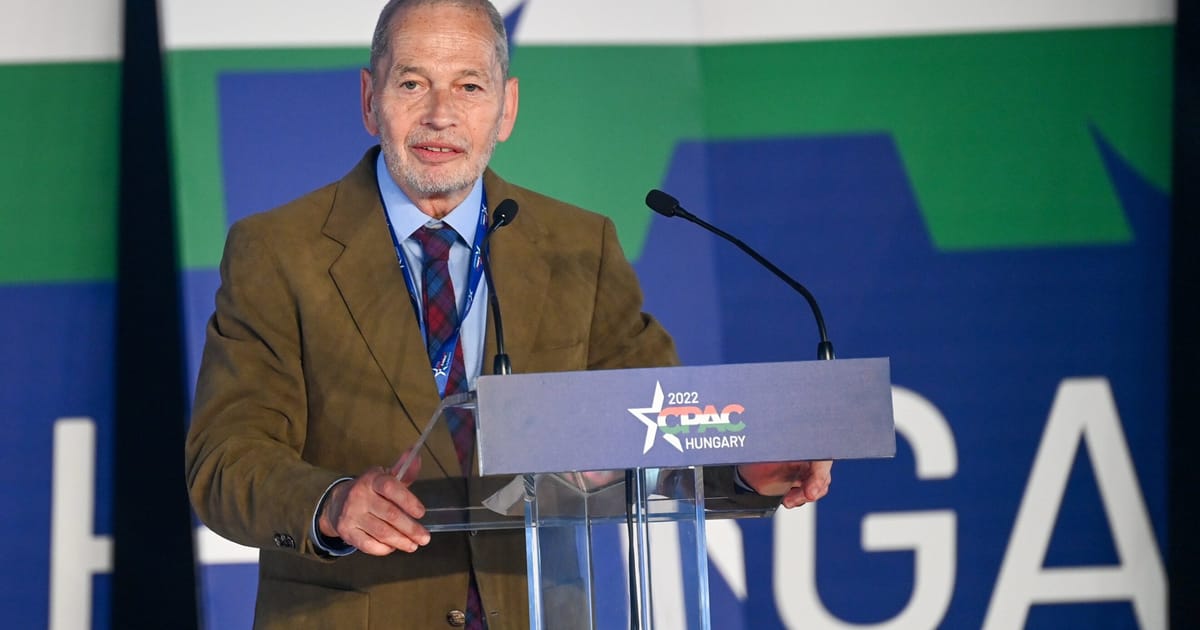
According to Füredi’s letter, funds have been withheld from MCC Brussels, leaving staff going unpaid and projects unable to be delivered. “Without the contractually agreed resources, our colleagues cannot function and are facing serious economic hardship,” he wrote.
“I feel that the only way the achievements of MCC Brussels can be rescued and its legacy further developed is to terminate my contract for severe cause with immediate effect, so that I have the freedom to promote the values that MCC Brussels stood for,” he went on.
MCC did not immediately respond to a request for comment.
MCC Brussels established itself as a leading voice on the European right, openly arguing in defense of populism and co-hosting events with the far-right Patriots group on topics including gender, migration and election interference. The think tank has previously vowed to find other sources of funding and continue its campaigning.
In June, the EU’s database of lobbyists and campaign groups suspended the membership of MCC Brussels, a move that could see it lose access to the European Parliament. The group denied irregularities in its registration with the Transparency Register and said the decision was an attempt to quash it for ideological reasons.
