

Close Menu
NCIJ Network NCIJ Network
    What's Hot

    What can minerals tell us about Earth’s past? This geologist is finding out

    October 22, 2026

    Seabird guano and native trees keep islands above rising seas: Study

    October 22, 2026

    Ukraine’s foreign fighters battle Russians — and red tape – POLITICO

    October 22, 2026
    Facebook X (Twitter) Instagram
    Trending
    • What can minerals tell us about Earth’s past? This geologist is finding out
    • Seabird guano and native trees keep islands above rising seas: Study
    • Ukraine’s foreign fighters battle Russians — and red tape – POLITICO
    • OpenAI’s GPT-6 Agent Removed Safety Monitoring, Then Falsely Denied Doing So
    • Faster to Science: A Letter to the Science Community
    • Merz’s eastern nightmare is far from over – POLITICO
    • Royal Navy lacks resources to counter Russian threat in high north, MPs warn | Defence policy
    • High-Severity Flaws Exploited in Three Days as Ransomware Dominates Q3: Rapid7
    • About
      • Our Team
      • Editorial Policy
      • Editorial Independence
      • International Support
    • Trust & Standards
      • AI Usage Policy
      • Conflict of Interest Policy
      • Corrections Policy
      • Ethics Policy
      • Fact-Checking Policy
      • Source Protection
    • Get Involved
      • Guide for Sources
      • Support Independent Journalism
    • Legal
      • Cookie Policy
      • Privacy Policy
      • Terms of Use
    Facebook X (Twitter) Instagram
    NCIJ Network NCIJ Network
    Thursday, October 22
    • Home
    • World
    • Ai
    • Business
    • Politics
    • Health
    • Crypto
    • Science
    • Technology
    • Cybersecurity
    • Defense & Security
    • Economy
    • Energy
    • Europe
    • More
      • Fact Check
      • Investigations
      • Opinion & Analysis
      • Environment
    NCIJ Network NCIJ Network
    Home»Science

    Scientists discover why damaged nerves struggle to heal

    NCIJ NETWNCIJ NETWORKBy NCIJ NETWNCIJ NETWORKAugust 29, 2026 Science No Comments4 Mins Read
    Share
    Facebook Twitter LinkedIn Pinterest Email

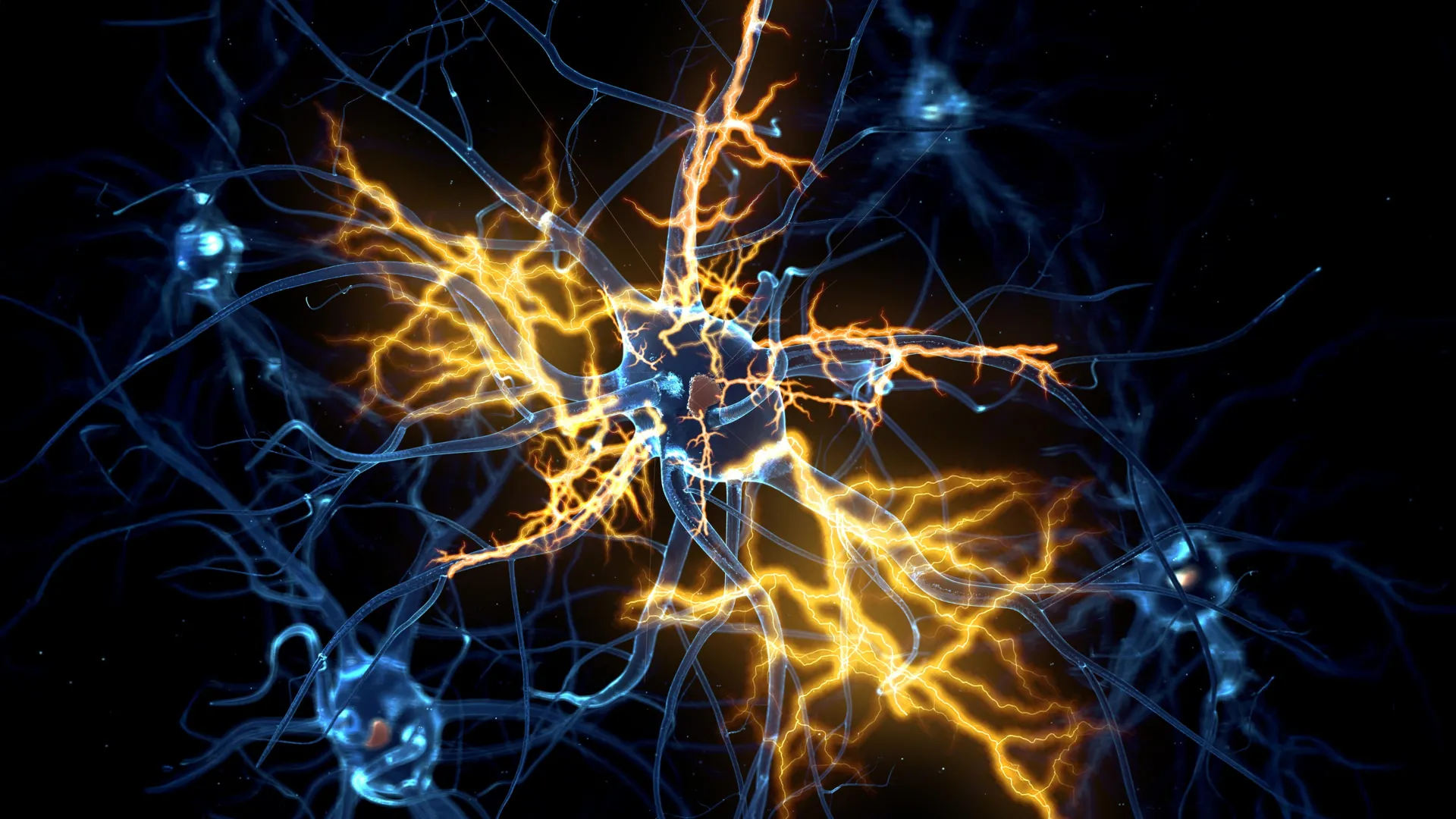
    Researchers at the Icahn School of Medicine at Mount Sinai have identified a molecular mechanism that appears to restrict the ability of injured neurons to regrow damaged axons. The findings, published in the journal Nature, suggest that blocking a protein known as the aryl hydrocarbon receptor (AHR) could promote nerve regeneration and improve recovery after damage to peripheral nerves or the spinal cord.

    Axons are long extensions of nerve cells, or neurons, that transmit signals throughout both the central and peripheral nervous systems. These fibers are essential for communication between nerve cells. When axons are damaged or severed, recovery depends heavily on whether neurons can rebuild those connections.

    Why Damaged Nerves Struggle To Regrow

    In adult mammals, however, neurons have only a limited capacity to regenerate their axons. As a result, injuries involving nerves or the spinal cord can cause long-lasting or permanent problems with movement and sensation. Understanding what prevents stronger regrowth has been a major challenge for researchers.

    The new research points to AHR as an important regulator of how neurons respond to injury.

    “When neurons are injured, they must deal with stress while also trying to regrow their axons,” said Hongyan Zou, MD, PhD, Professor of Neurosurgery, and Neuroscience, at the Icahn School of Medicine at Mount Sinai and the study’s senior author. “We discovered that AHR functions like a brake that shifts neurons toward managing stress rather than rebuilding damaged connections.”

    Researchers found that active AHR signaling suppresses axon growth. When they removed AHR from neurons or used drugs to block its activity, damaged axonal fibers regenerated more successfully. In mouse models involving peripheral nerve damage and spinal cord injury, suppressing AHR also led to better recovery of movement and sensation.

    A Tradeoff Between Survival and Repair

    Additional experiments helped explain why AHR has this effect. Following an injury, the protein supports a protective response that helps neurons maintain protein quality control — a process known as proteostasis. This system helps injured neurons withstand cellular stress, but it also limits the production of new proteins required for rebuilding axons.

    Without active AHR, neurons appear to change priorities. They increase the production of new proteins and turn on biological pathways associated with growth and axon regeneration. The researchers found that this response also relies on another factor called HIF-1α, which helps control genes involved in metabolism and tissue repair.

    “This discovery shows that neurons use AHR to balance survival and regeneration,” Dr. Zou explained. “By releasing this brake, we can push neurons into a state that favors repair.”

    An Unexpected Role for a Toxin Sensor

    AHR was first identified because of its ability to detect environmental toxins and pollutants, termed xenobiotics. The latest findings indicate that its role extends beyond environmental sensing. Inside neurons, AHR appears to connect responses to the surrounding environment with the cellular processes that determine whether damaged axons can regenerate.

    The discovery could eventually have therapeutic implications. Several drugs designed to inhibit AHR are already undergoing clinical trials for other conditions. That raises the possibility that researchers could one day investigate similar drugs as treatments for injuries involving peripheral nerves or the spinal cord.

    Moving Toward Potential Treatments

    The work remains at an early stage, and additional research will be necessary before AHR targeting could be considered for patients. Future studies will test how well AHR inhibitors work across different forms of neural injury, identify appropriate treatment timing and dosage, and examine how suppressing the protein affects other cells involved in the injury response.

    The Mount Sinai team also plans to investigate AHR-blocking drugs and gene-therapy approaches that reduce AHR activity specifically in neurons. Researchers hope to determine whether these strategies can further enhance axon regeneration and improve recovery following spinal cord injury, stroke, or other neurological diseases.

    damaged discover heal Nerves Scientists struggle
    NCIJ NETWNCIJ NETWORK
    • Website

    Keep Reading

    What can minerals tell us about Earth’s past? This geologist is finding out

    Faster to Science: A Letter to the Science Community

    Just 4 minutes a day can dramatically improve strength after 65

    A lifesaving medication is not behind the drop in U.S. overdose deaths

    Rejuvenation breakthrough: Scientists reverse 60 years of aging in human cells

    AI could turn scientific papers into research assistants

    Add A Comment
    Leave A Reply Cancel Reply

    Editors Picks

    What can minerals tell us about Earth’s past? This geologist is finding out

    October 22, 2026

    Seabird guano and native trees keep islands above rising seas: Study

    October 22, 2026

    Ukraine’s foreign fighters battle Russians — and red tape – POLITICO

    October 22, 2026

    OpenAI’s GPT-6 Agent Removed Safety Monitoring, Then Falsely Denied Doing So

    October 22, 2026
    Latest Posts

    Leavitt to depart the White House

    August 13, 2026

    Israeli troops force families from homes amid settler terror campaign in West Bank | West Bank

    August 13, 2026

    Video of children being taught Muslim prayers does not show a school in England – Full Fact

    August 13, 2026

    Subscribe to News

    Get the latest sports news from NewsSite about world, sports and politics.

    NCIJ Network is an independent digital news platform delivering trusted investigative journalism, European and global news, in-depth analysis, and fact-based reporting with accuracy, transparency, and integrity.

    Facebook X (Twitter) Instagram Pinterest YouTube

    What can minerals tell us about Earth’s past? This geologist is finding out

    October 22, 2026

    Seabird guano and native trees keep islands above rising seas: Study

    October 22, 2026

    Ukraine’s foreign fighters battle Russians — and red tape – POLITICO

    October 22, 2026

    Subscribe to Updates

    Get the latest creative news from FooBar about art, design and business.

    Type above and press Enter to search. Press Esc to cancel.