

Close Menu
NCIJ Network NCIJ Network
    What's Hot

    Greens call for temporary ban on new data centres

    August 28, 2026

    Matt Lucas and Hugh Bonneville call for law on AI voice clones

    August 28, 2026

    GoCaracal Malware Uses Ethereum Smart Contract to Fetch Replacement C2 Address

    August 28, 2026
    Facebook X (Twitter) Instagram
    Trending
    • Greens call for temporary ban on new data centres
    • Matt Lucas and Hugh Bonneville call for law on AI voice clones
    • GoCaracal Malware Uses Ethereum Smart Contract to Fetch Replacement C2 Address
    • MANTRA Chain is back online, but silent code changes spark developer concerns
    • Smart nanoparticles light up brain cancer and destroy what surgery misses
    • Indigenous water systems gain ground as climate pressures intensify in Bolivia
    • Trump’s Freewheeling India Envoy Muddles South Asia Policy
    • Beware of alleged Target ad featuring costume that drew backlash for blackface, minstrel imagery
    • About
      • Our Team
      • Editorial Policy
      • Editorial Independence
      • International Support
    • Trust & Standards
      • AI Usage Policy
      • Conflict of Interest Policy
      • Corrections Policy
      • Ethics Policy
      • Fact-Checking Policy
      • Source Protection
    • Get Involved
      • Guide for Sources
      • Support Independent Journalism
    • Legal
      • Cookie Policy
      • Privacy Policy
      • Terms of Use
    Facebook X (Twitter) Instagram
    NCIJ Network NCIJ Network
    Friday, August 28
    • Home
    • World
    • Ai
    • Business
    • Politics
    • Health
    • Crypto
    • Science
    • Technology
    • Cybersecurity
    • Defense & Security
    • Economy
    • Energy
    • Europe
    • More
      • Fact Check
      • Investigations
      • Opinion & Analysis
      • Environment
    NCIJ Network NCIJ Network
    Home»Science

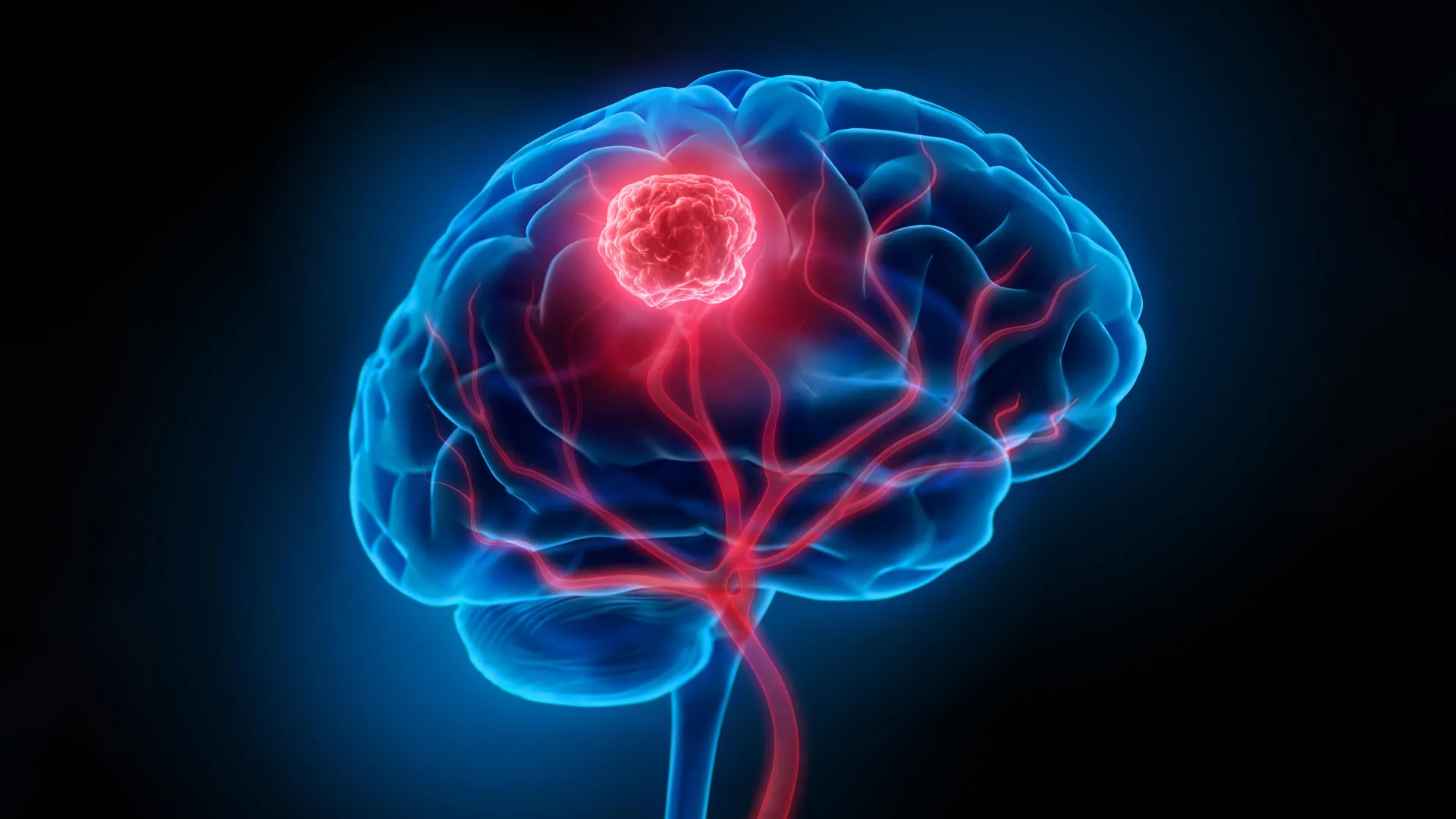
    Smart nanoparticles light up brain cancer and destroy what surgery misses

    NCIJ NETWNCIJ NETWORKBy NCIJ NETWNCIJ NETWORKAugust 28, 2026 Science No Comments4 Mins Read
    Share
    Facebook Twitter LinkedIn Pinterest Email

    Glioblastoma is considered the most aggressive type of brain cancer.

    One reason it is so difficult to treat is that cancer cells spread into nearby brain tissue. That makes complete surgical removal extremely challenging because surgeons must avoid damaging healthy areas of the brain. The blood-brain barrier creates another obstacle by restricting how effectively drugs and radiotherapy can reach the tumor. Together, these challenges help explain why the five-year survival rate is only about 7 percent.

    A Two-Function Nanoparticle Platform

    Researchers at the University of Technology Sydney (UTS), Harvard and Henan universities have developed a ‘double-punch’ nanozyme platform that aims to tackle both problems using a single system of smart nanoparticles. The findings were published in Science Translational Medicine.

    “We’ve engineered a single material that does two jobs in sequence,” said Dr. Bingyang Shi, Chair Professor of nanomedicine from the School of Electrical, Mechanical and Biomedical Engineering at UTS. “It’s a precise guide for the surgeon during the operation, and then a targeted clean-up treatment afterward.”

    At the center of the system is an extremely thin, two-dimensional sheet covered with individual atoms that are placed one at a time using a method adapted from semiconductor manufacturing. This structure allows the material to switch between two roles. It can help image cancer during surgery and then perform phototherapy after the operation. Both functions are activated using the same near-infrared light.

    Making Tiny Brain Tumor Clusters Visible

    “During surgery, it functions as a highly sensitive imaging agent,” said Professor Shi. “A fluorescent dye engineered onto the sheet glows under a near-infrared wavelength invisible to the naked eye, allowing surgeons to see individual tumor cell clusters as small as 44 micrometers, a resolution beyond current clinical imaging tools. A targeting molecule attached to the material also helps it cross the blood-brain barrier and accumulate specifically in glioma cells.

    Once surgeons have removed the tumor they can see, the material can be used again inside the surgical cavity and activated by the same wavelength of light.

    “After the visible tumor is removed, the same material is administered into the surgical cavity and reactivated with the same wavelength of light for postoperative phototherapy,” he said. “The platinum atoms convert the tumor’s own hydrogen peroxide into oxygen, counteracting the low-oxygen environment that normally shields cancer cells from treatment, while the light simultaneously generates heat and reactive molecules that destroy microscopic cancer cells that surgery could not reach.”

    Targeting Cancer Left Behind After Surgery

    The treatment is designed to address a major problem in glioblastoma: microscopic cancer cells can remain in the brain even after the visible tumor has been removed. Those surviving cells can later fuel tumor recurrence.

    In mouse models of glioblastoma, the nanoparticle approach reduced tumor recurrence following surgery. Every treated mouse was still alive at 60 days, compared with a survival of 42 days among mice that received surgery alone. Follow-up testing also found no detectable neurological or motor impairments associated with the treatment.

    Promising Results, but Still Early Research

    Despite the encouraging results, the researchers emphasize that the technology has so far been tested only in animals.

    “The results are very encouraging, but this is still early-stage research carried out in mouse models, not in people – and that distinction is important,” said Professor Shi. “Its imaging and therapeutic performance will also need to be confirmed at the scale of a human brain.

    “If this continues to hold up through that process, the hope is that surgeons could one day see more of the tumor during an operation and treat more of what’s left behind afterward. It’s a meaningful step towards reducing recurrence, which remains one of the biggest challenges for people with glioblastoma.”

    brain cancer destroy light Misses nanoparticles Smart surgery
    NCIJ NETWNCIJ NETWORK
    • Website

    Keep Reading

    GoCaracal Malware Uses Ethereum Smart Contract to Fetch Replacement C2 Address

    The Forested Floodplains of Congaree National Park

    324-million-year-old fossil reveals how insects conquered land

    Scientists switch on a strange new form of magnetism in an ultrathin material

    A mysterious cosmic hum may come from 13-billion-year-old dark stars

    Vitamin C won’t prevent most colds, but it may do one small thing

    Add A Comment
    Leave A Reply Cancel Reply

    Editors Picks

    Greens call for temporary ban on new data centres

    August 28, 2026

    Matt Lucas and Hugh Bonneville call for law on AI voice clones

    August 28, 2026

    GoCaracal Malware Uses Ethereum Smart Contract to Fetch Replacement C2 Address

    August 28, 2026

    MANTRA Chain is back online, but silent code changes spark developer concerns

    August 28, 2026
    Latest Posts

    NASA’s Curiosity Discovers a Field of Martian Polygons

    July 29, 2026

    As crypto perpetual futures boom, Ethereum’s role is shifting

    July 29, 2026

    Critical Rails Flaw Could Let Unauthenticated Attackers Read Server Files via Image Uploads

    July 29, 2026

    Subscribe to News

    Get the latest sports news from NewsSite about world, sports and politics.

    NCIJ Network is an independent digital news platform delivering trusted investigative journalism, European and global news, in-depth analysis, and fact-based reporting with accuracy, transparency, and integrity.

    Facebook X (Twitter) Instagram Pinterest YouTube

    Greens call for temporary ban on new data centres

    August 28, 2026

    Matt Lucas and Hugh Bonneville call for law on AI voice clones

    August 28, 2026

    GoCaracal Malware Uses Ethereum Smart Contract to Fetch Replacement C2 Address

    August 28, 2026

    Subscribe to Updates

    Get the latest creative news from FooBar about art, design and business.

    Type above and press Enter to search. Press Esc to cancel.