


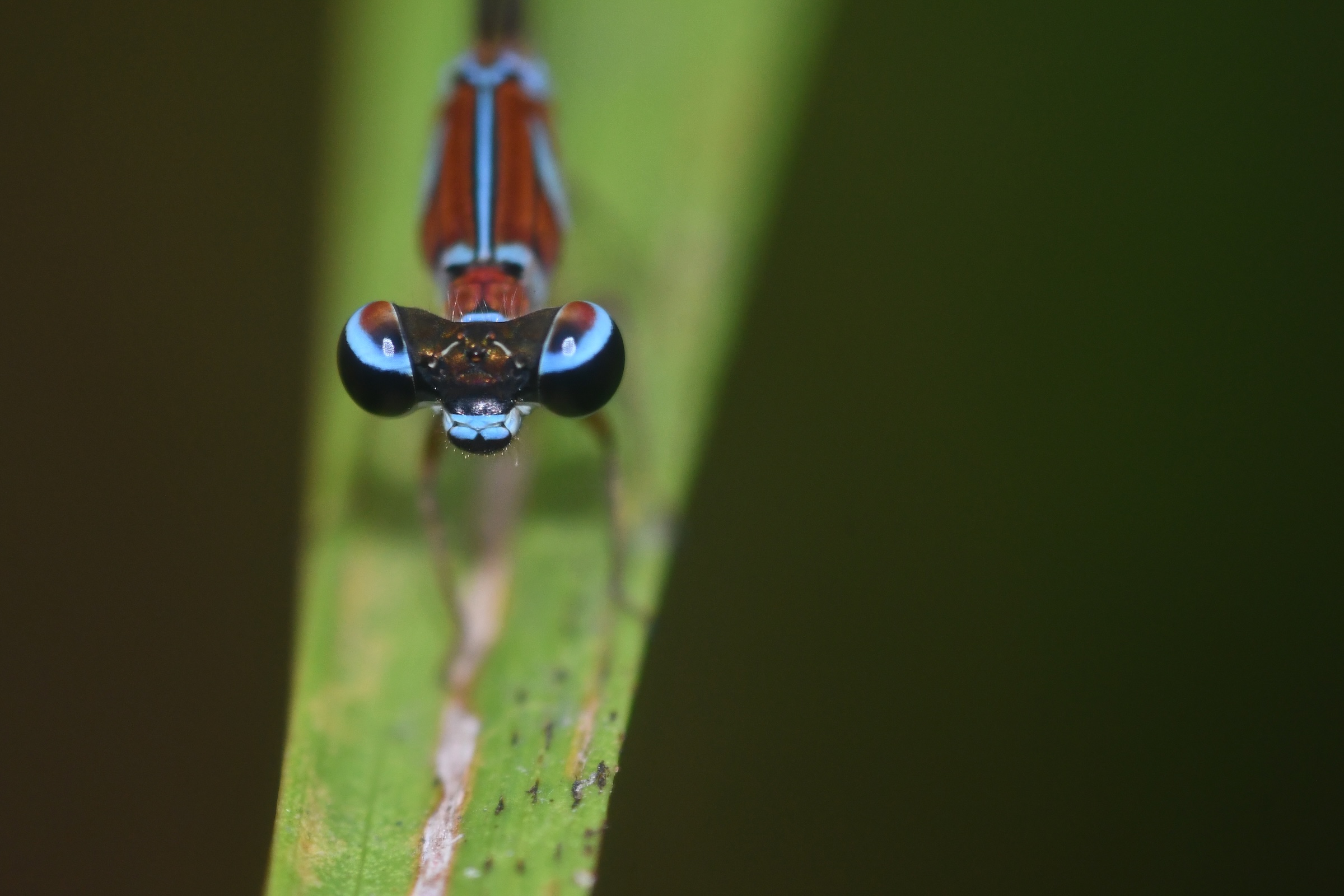
- Researchers investigating Colombia’s remote region of Guainía have identified nearly 120 dragonfly and damselfly species, uncovering a biodiversity hotspot for these insects.
- Dragonflies rely on pristine freshwater ecosystems, but their aquatic habitats face growing pressure from regional deforestation, unmanaged waste and exponential tourism.
- By naming in their ancestral languages and monitoring local dragonflies, communities are deepening their understanding of ecosystem health and connecting biodiversity and ancestral wisdom with water protection.
Every dragonfly story starts in the water, and Guainía, known as the land of many waters, should be the Olympus of these insects. The mix of waters from the Orinoquia and the Amazon with the vast pristine rainforest should make this region a dragonfly biodiversity hotspot. But little to nothing is known about the diversity of these flying predators in this remote part of eastern Colombia.
“When we started, very little was known; there were about 10 reported species,” Yiselle Cano, a doctoral candidate at the National University of La Plata, Argentina, and biodiversity leader of the project Dragones Guainía, told Mongabay in a video call.
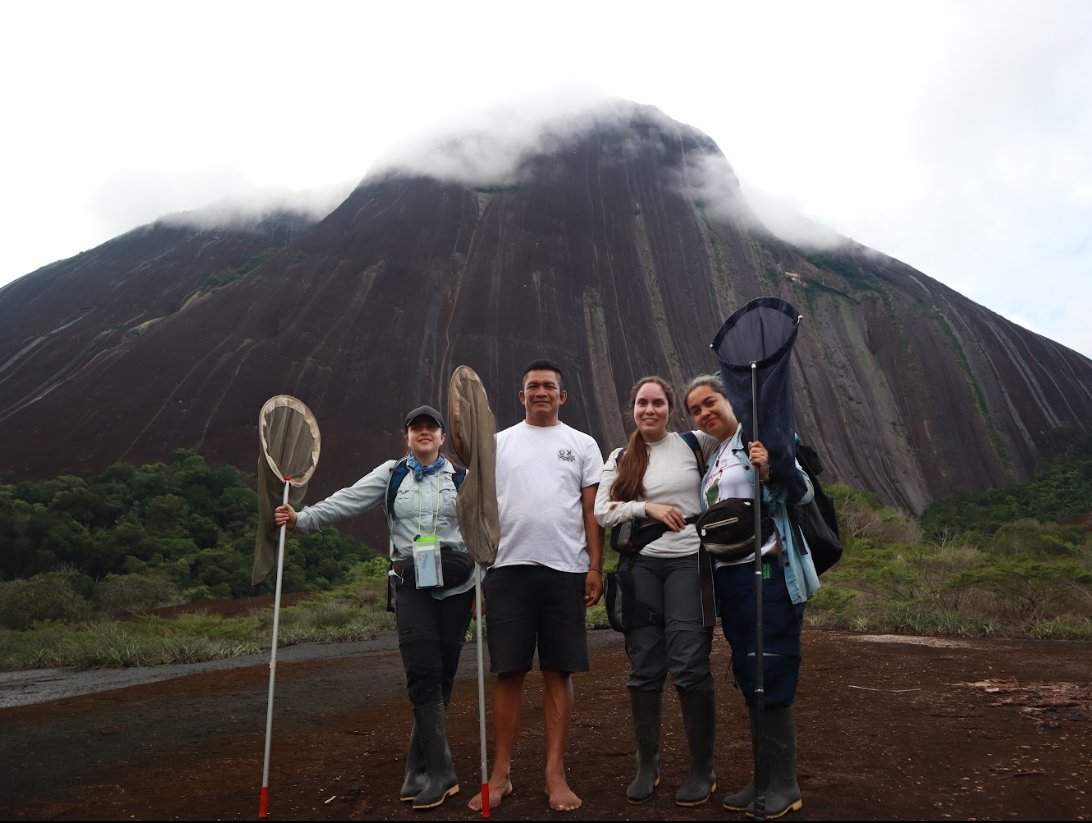
With rubber boots, long-sleeved shirts, hats and sweeping nets, Cano and her colleague Jenilee Montes go out every day and explore the waters of the Guainía in search of these insects. From small puddles to the deep-red waters of the Inirida River, these Colombian researchers have spent the last three years collecting and identifying dragonflies and damselflies in order to understand what is still left to protect, according to Cano.
“I think we must be close to 120 species by now,” Cano said. “It’s a hugely diverse group, because it includes dragonflies native to the Orinoco, Amazonas and dragonflies that are endemic to the Guiana Shield.”
This discovery is fueling a pioneering environmental movement. While the insects serve as aquatic bioindicators to safeguard threatened local water sources, they also spark a cultural renewal. By giving dragonflies names in their native dialects, and even coming up with new terms in their ancestral languages, Indigenous communities are taking ownership of their natural heritage to connect ecological science with Indigenous wisdom to preserve both their waters and their languages.
Naming the insects as a community effort
Once they began filling in knowledge gaps about the species in the area, the researchers ran workshops to show local communities the vast dragonfly biodiversity. They found language was a major barrier to connecting with people. Not only because some did not speak Spanish, but because the scientific language of the biological entities they were talking about did not mean anything to the community.
“We were talking about nothing; we were giving species names in Latin that meant nothing to them,” Montes, social leader of the Dragones Guainía project, told Mongabay in a video call. “We needed to give these insects names to stand out within the community, because what isn’t named doesn’t exist.”
From that moment on, a process of social appropriation of knowledge began. To achieve this, each community leader invited everyone to take part, from the youngest children to the elderly who still held ancestral knowledge. As Montes and Cano showed them again the diversity of dragonflies in puddles, streams and rivers, people would try to name them in their ancestral language.

“This is something that sometimes leaves us speechless,” Delio Suárez, a Tucano Indigenous leader of the multiethnic community La Ceiba, told Mongabay, “this leaves us with the task of recovering their names, of looking back and asking the last remaining wisdom keepers that we have.”
More than remembering words, tribes such as the Puinave in the Remanso community had to create new words in their ancestral and almost forgotten language. Based on the insects’ habitats, their behaviors, shapes and bright colors, they used names like “Dümjüpat” for the long-winged damselfly, “Dümwuayactepin” for the dragonfly that lives in the ponds and “Dümpuinave” for the puinave damselfly, a newly discovered endemic species.
Other community tribes such as the Tucanos and Curripacos are in the same process of rescuing their ancestral languages and naming their biodiversity. While doing that, communities have also been involved in monitoring and sampling dragonflies and learning about how these small voracious insects help control mosquito populations and the importance of protecting their pristine waters.

“We were unaware of the role and importance of these insects in their ecosystem, that’s why I really liked it, because it helps us to understand the richness we have here in our reserves,” Suárez said.
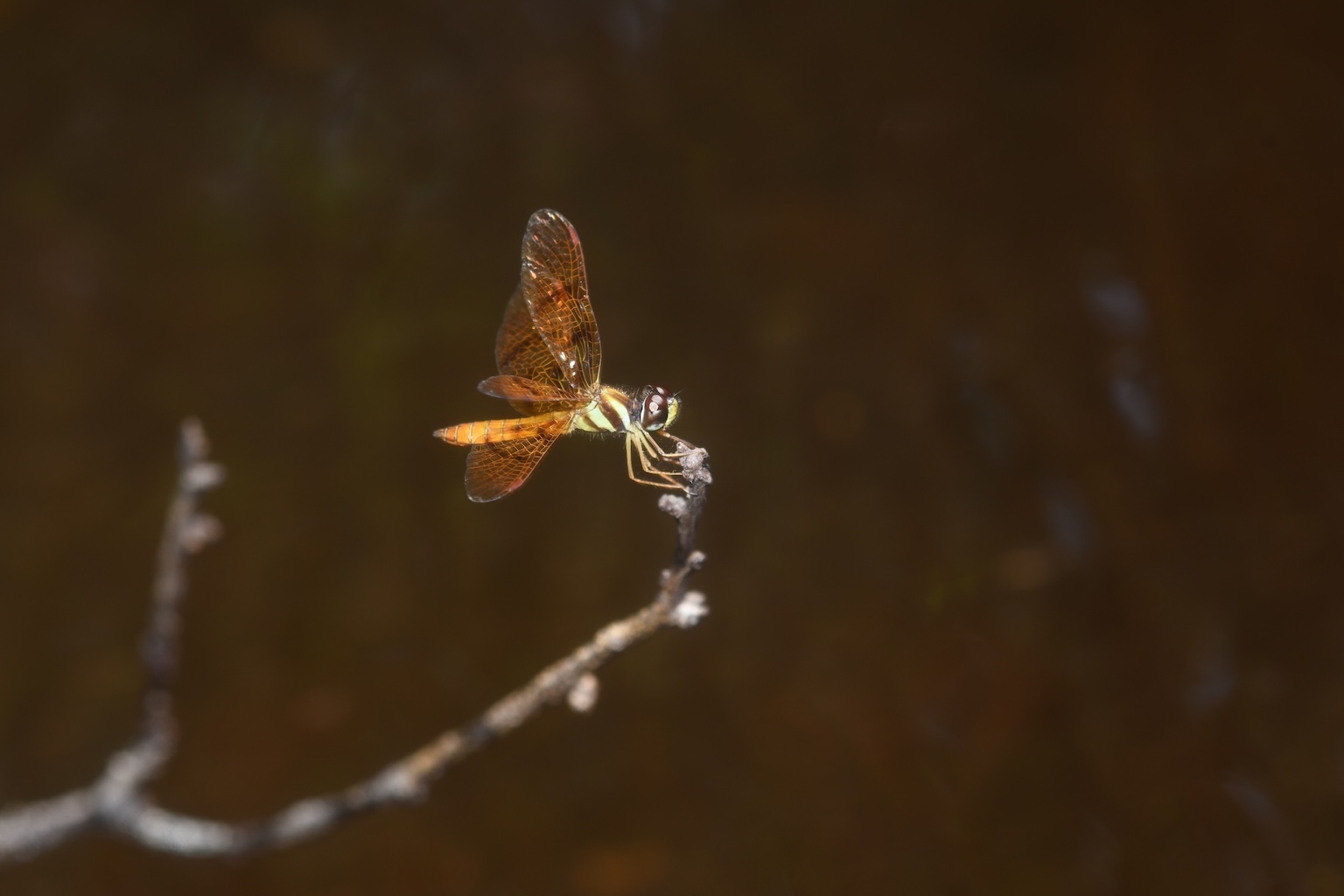
Dragonflies and damselflies belong to the Odonata group. Considered flying living fossils, they are one of the most ancient winged insects on the planet, present in the fossil record since the Permian era, about 250 million years ago. With nearly 7,000 described species worldwide and highly concentrated in the tropics, these insects are often used as bioindicators for the ecosystem’s health and conservation status, as their life cycle is strictly bound to freshwater habitats.
From the moment they hatch from their eggs, the larvae spend a big part of their lives in the water, preying on mosquito larvae, aquatic insects, tadpoles and, even, small fish. Many of these insects require well-oxygenated, clean water to complete their life cycle and become adults, Cano said.
A habitat under threat
But water quality is under threat in the land of many waters. Deforestation for wood charcoal and increasing tourism are threatening the communities’ water sources, and the dragonflies depend on specific water sources.

In recent years, Guainía has become an iconic travel destination in Colombia for its sacred Mavecure Hills and the Inirida River Star. From Jan. 1 to July 31, 2024, the Ministry of Trade, Industry and Tourism reported 15,000 visitors, a 25% increase compared to the previous year.
“There is a serious environmental problem that is snowballing because, in all these communities living along the river, there is no rubbish collection scheme and neither the regional government nor the local council is doing anything to collect that rubbish, so in many cases, [it] simply ends up piling up in the river,” Cano said.
It’s been a process of almost three years, where Cano and Montes have been collecting dragonflies and working closely with the communities to promote protecting the water sources and start using the dragonflies as a conservation flag. Communities like La Ceiba are organizing routes to spot dragonflies in the jungle without causing any harm to the insects or the ecosystems.
Experts in this type of ecotourism, the community of La Ceiba, has already developed a similar approach with Melipona bees in what Suárez calls “the honey trail,” showing tourists the process of how wild stingless bees produce honey, their importance in the forest and also selling jars of their golden nectar, which helps them secure a livelihood while protecting nature.
“It was actually quite challenging but also a novel idea to use an insect in general to reach out to communities,” Montes said. “For me, it’s like a dream if dragonflies become symbols, symbols of the community.”
Banner image: The Indigenous communities name the dragonflies in their ancestral language after their bright colors and the habitat they live in. Image courtesy of Jenilee Montes.
Citations:
Kohli, M., Letsch, H., Greve, C., Béthoux, O., Deregnaucourt, I., Liu, S., … Ware, J. (2021). Evolutionary history and divergence times of Odonata (dragonflies and damselflies) revealed through transcriptomics. Iscience, 24(11). doi:10.1016/j.isci.2021.103324
Kalkman, V. J., Clausnitzer, V., Dijkstra, K. D. B., Orr, A. G., Paulson, D. R., … Van Tol, J. (2008). Global diversity of dragonflies (Odonata) in freshwater. Hydrobiologia, 595(1), 351-363. doi:10.1007/978-1-4020-8259-7_38
FEEDBACK: Use this form to send a message to the author of this post. If you want to post a public comment, you can do that at the bottom of the page.
Cite this article
Manuel Fonseca (2026). Dragonflies help protect water and ancestral Indigenous languages in Colombia. Mongabay Conservation news. DOI: https://doi.org/10.66709/news-326671

