


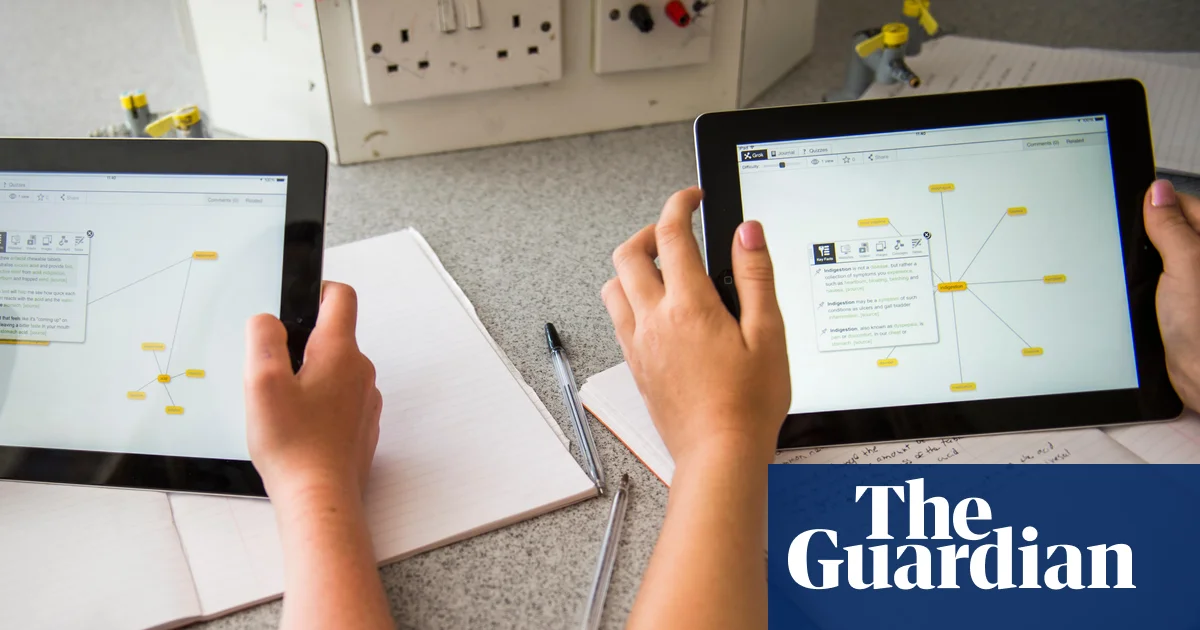
Your article buries the real story beneath the headline (‘Our children are less cognitively capable,’ says neuroscientist who wants to cut screen use in schools, 16 August). Even Jared Cooney Horvath’s own data, cited mid-article, shows that moderate school device use is associated with better outcomes than no device use at all – it is only the heaviest use daily that drags results down. That is a case for sensible integration, not blanket alarm.
The article’s most significant omission is what technology means for students with special educational needs and disabilities (Send), and for those learning English as an additional language.
With continual cuts to Send funding and learning-support staff, a single teacher cannot differentiate instruction for 30 children unaided. Assistive technology – text to speech, translation tools, audio versions of lesson content – is often the only thing that allows these students genuine access to the national curriculum.
Technology in moderation is an invaluable tool, but it shouldn’t replace meaningful human interaction in the classroom. However, dismissing screen use entirely fails to recognise the crucial role that modern technology plays in equity, accessibility and basic school operations.
When used thoughtfully and purposefully, moderate educational technology does not diminish learning, it democratises it.
Charlotte Bleakley
Teacher, Roding Valley high school, and digital lead at Chelmsford Learning Partnership
