


- Indonesia recorded 96 allegations of human rights and environmental abuses linked to Chinese investments in transition minerals from 2023 to 2025, the most of any country, with 90 involving nickel, according to a new report.
- Water, soil, and air pollution were among the main environmental concerns, while Indonesian nickel processors accounted for 57% of work-related deaths and 68% of injury allegations documented globally.
- The report also documented allegations involving Indigenous rights violations, intimidation of environmental defenders, and failures to obtain free, prior, and informed consent around nickel projects in Indonesia.
- The Business & Human Rights Resource Centre, which compiled the report, says Chinese companies need stronger human rights and environmental due diligence, as gaps between corporate commitments and practices could create growing risks for workers, communities, and supply chains.
JAKARTA — Indonesia recorded more allegations of human rights and environmental abuses linked to Chinese investments in transition minerals than any other country between 2023 and 2025, a new report says. It identifies the vast majority of problems with the country’s rapidly expanding nickel industry.
The report by the Business & Human Rights Resource Centre (BHRC) documented 323 publicly reported allegations across 24 countries during the three-year period, plus three confidential cases involving attacks on human rights defenders. That brings the total to 326 allegations for 2023-2025.
The number of recorded allegations has also risen each year, from 51 in 2021 to 148 in 2025, bringing the five-year total to 434. That increase doesn’t necessarily mean the number of abuses themselves have tripled, as changes in reporting, monitoring, and the database can affect the figures.
Still, the rising trend comes as investment in the minerals used in electric vehicles, batteries, and renewable energy technologies expands rapidly, raising risks for workers, Indigenous peoples, local communities, and the environment.
The report also documented 18 attacks against human rights defenders across all 24 countries between 2023 and 2025, including cases involving judicial harassment, violence, and intimidation.

Indonesia
Of the 323 allegations analyzed in detail, 96 were in Indonesia, the highest of any country. The Democratic Republic of Congo was second with 52, followed by Myanmar with 36, Serbia with 32, and Zimbabwe with 20.
Ninety of the 96 Indonesian allegations involved nickel. Of those, 71 concerned nickel processing, 17 nickel extraction, and two project development. Overall, 73 of the 96 Indonesian allegations occurred during processing, smelting or refining.
The concentration in processing is notable because, globally, extraction accounted for the majority of allegations.
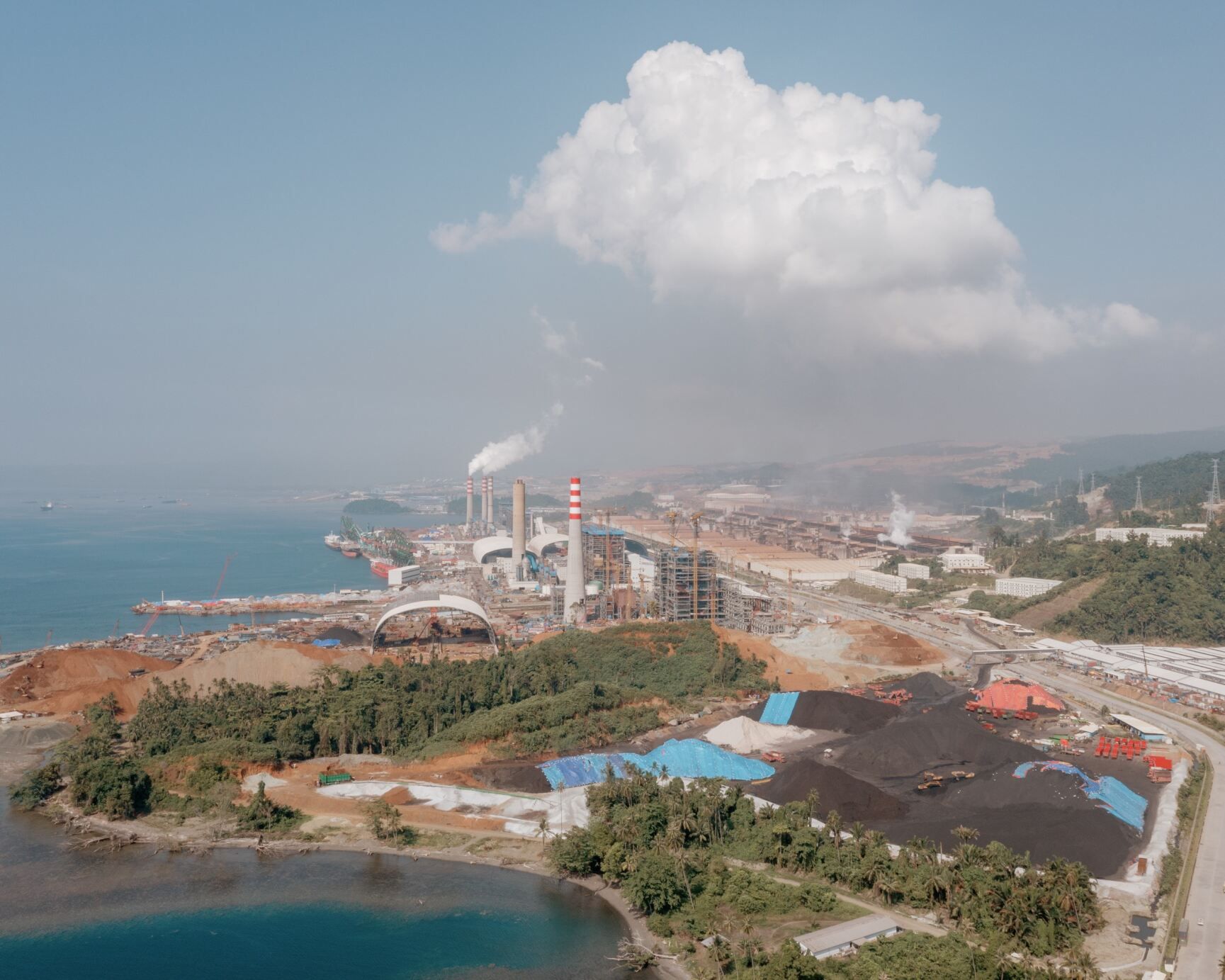
Three major nickel hubs — the Indonesia Morowali Industrial Park (IMIP), Indonesia Weda Bay Industrial Park (IWIP), and nickel projects on Obi Island — together accounted for 59 allegations, or about 61% of the Indonesian total.
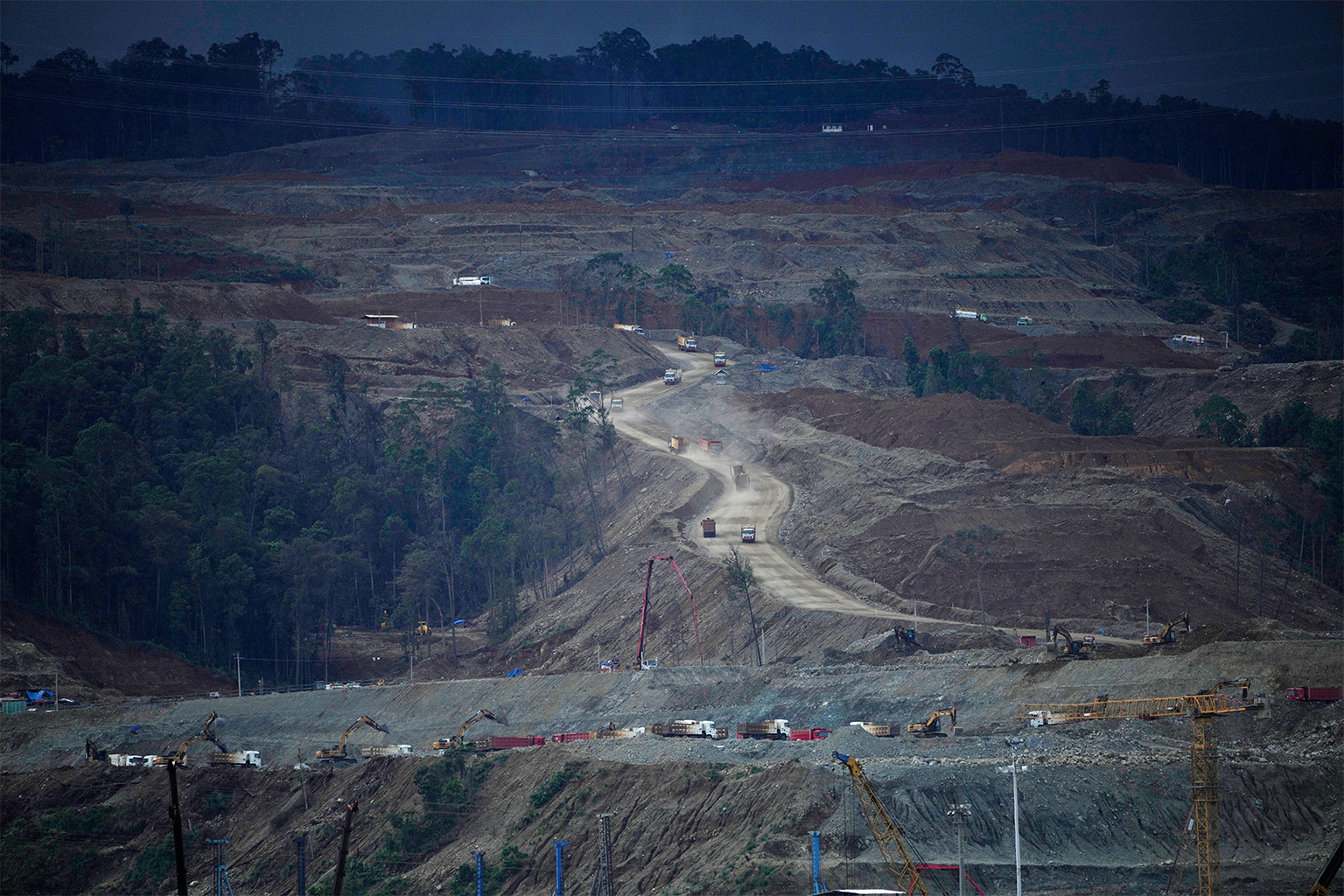
The findings underscore the risks associated with Indonesia’s rapid expansion of nickel processing, including the use of high-pressure acid leaching, or HPAL, to process lower-grade nickel ore into battery-grade nickel products.
Indonesia is the world’s top producer of nickel: its mined nickel production rose from 130,000 metric tons in 2015, or 5.7% of the global total, to 2.2 million metric tons in 2024, or 62.26%, according to U.S. Geological Survey data.
The report says Chinese-linked investment has helped rapidly expand nickel processing at IWIP, while HPAL facilities on Obi Island have expanded production of battery-grade nickel compounds. IMIP had 52 tenant companies in 2023, the same year a 1,780-hectare (4,400-acre) expansion was announced.

Water pollution
Water pollution was the most frequently recorded environmental impact globally, with 102 allegations, followed by soil pollution (69), air pollution (55), violations of environmental safety standards (54), access to water (51), and impact assessment failures (32).
In Indonesia, nickel-processing operations accounted for 22 allegations involving water pollution, 14 involving air pollution, and nine involving soil pollution.
The report associates many of these concerns with HPAL processing, which generates large quantities of waste and can pose risks of acid overflow from waste storage facilities.
A separate analysis by mining watchdog Earthworks has estimated that for every ton of nickel produced through HPAL, up to 133 tons of tailings, or mining waste, is generated.
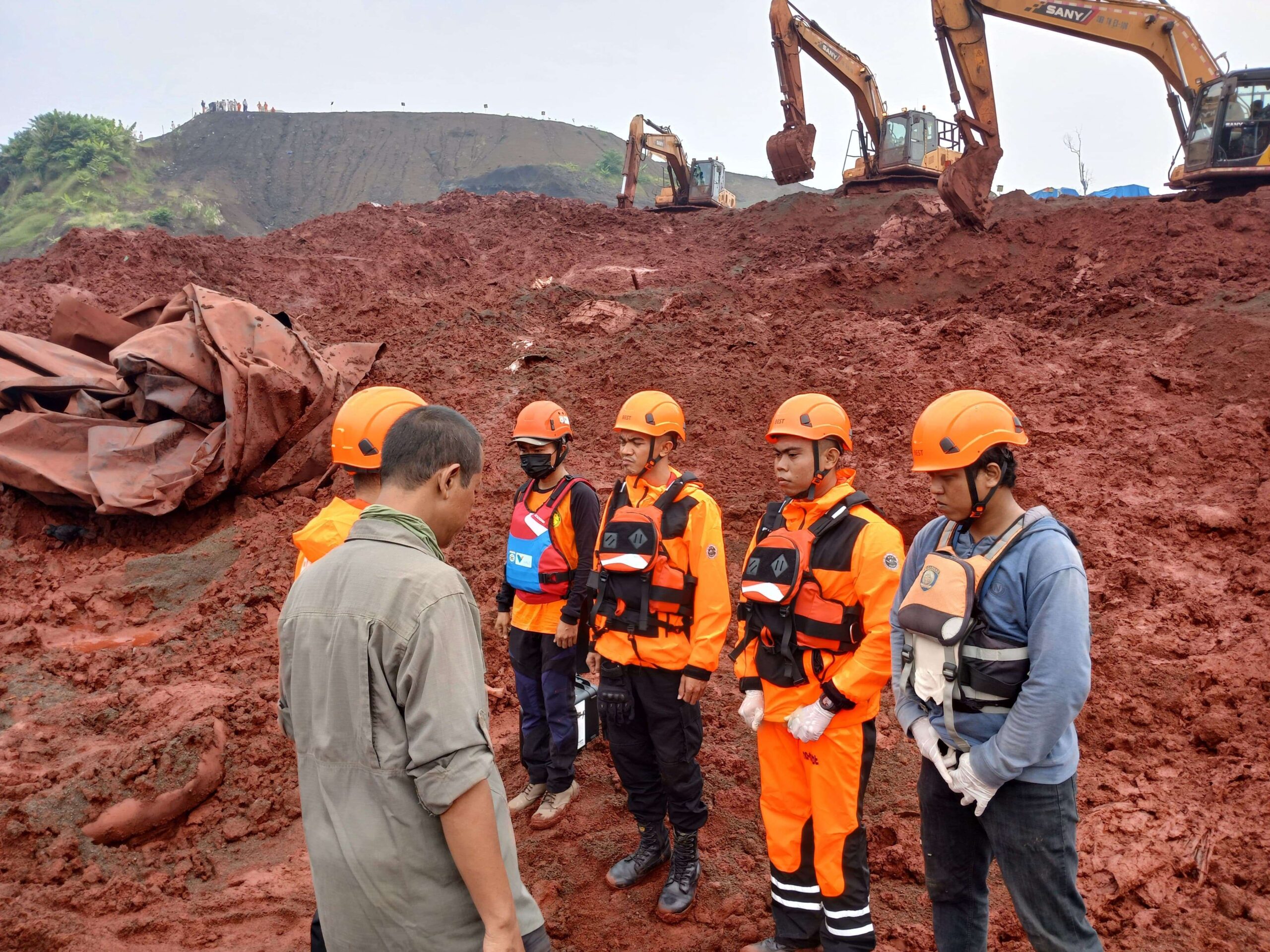
The report cites multiple tailings facility failures at IMIP, including one in March 2025 that killed three workers, as well as a June 2025 sediment pond breach on Obi Island that flooded nearby villages. It also cites evidence of seepage from a tailings facility at a nickel complex on Obi Island that contaminated groundwater with boron, chromium-6, and nickel.
At the time of the report, nine HPAL facilities were operational in Indonesia, with another 12 under construction or already permitted, and 12 more proposed.
The expansion is also likely to increase the volume of waste requiring management, making tailings safety and pollution controls increasingly important, the report notes.

Worker safety
Indonesia’s nickel-processing boom generates not only environmental risks but also a disproportionate share of the worker deaths and injuries documented across Chinese-linked transition mineral projects globally.
BHRC recorded 25 allegations involving worker injuries and 47 involving work-related deaths worldwide. Of those, Indonesian nickel processors accounted for 17 injury allegations (68% of the global total) and 27 death allegations, or 57% of the global toll.
The report also highlighted risks faced by migrant workers, particularly Chinese nationals. Of 37 allegations involving migrant workers globally, 30 were linked to Chinese-backed smelter or refinery projects in Indonesia. The allegations included occupational safety violations, wage disputes, deaths, injuries, intimidation, and forced labor.
BHRC cited investigations by environmental news outlet Grist that found Chinese migrant workers at IMIP and IWIP had faced problems including restricted movement and passport confiscation, alongside frequent and sometimes severe workplace accidents.
Chinese metals giant Tsingshan Group, which has holdings in both the IWIP and IMIP industrial estates, declined to comment on reported accident figures. IWIP said serious incidents were investigated to improve training and safety standards but did not comment on individual cases.

Indigenous peoples
Problems can begin before a mine or processing facility even starts operating, as Indigenous peoples and local communities seek to protect their land, livelihoods, and traditional ways of life.
BHRC documented eight allegations in Indonesia involving failures to respect Indigenous peoples’ right to free, prior and informed consent, or FPIC. The report cited allegations affecting the Hongana Manyawa and Bajau peoples, including land dispossession, degradation of their living environment, and loss of traditional livelihoods and cultural ties.
The report argues that failing to meaningfully consult affected communities can also increase business risks through protests, lawsuits, regulatory intervention, and project delays.
In some cases, Indigenous peoples and environmental defenders have also faced harassment and intimidation. That was the case for Dewi Anakoda, an Indigenous environmental defender who has raised concerns about the impacts of nickel mining on Halmahera Island, where IWIP is located. According to BHRC, Dewi has faced violent attacks and intimidation since 2024 in connection with her efforts to expose the impacts of nickel mining, particularly the activities of Weda Bay Nickel.
Weda Bay Nickel is jointly owned by Tsingshan, French miner Eramet, and Indonesian state-owned miner PT Aneka Tambang, or Antam. On Aug. 19, 2025, U.N. experts raised concerns with the Indonesian, French, and Chinese governments and several mining companies over the situation on Halmahera.
China’s role
Global demand for transition minerals continues to grow as countries race to build renewable energy and electric vehicle supply chains. Major companies from the U.S., the European Union, and elsewhere are seeking to secure critical mineral supplies from resource-rich countries such as Indonesia.
China dominates the processing and refining of many transition minerals and has an even stronger position in manufacturing of renewable energy technologies. Chinese companies are increasingly investing directly in mining to secure raw material supplies.
The report cites Climate Energy Finance as estimating that Chinese outbound investment in overseas mining and mineral processing exceeded $120 billion between 2023 and 2025, along with another $220 billion in clean technology manufacturing and renewable energy infrastructure.
The scale of that investment means the environmental and social consequences of Chinese companies’ overseas operations are increasingly relevant to the global energy transition.
China’s role also gives its companies an opportunity to improve human rights and community engagement across the mining supply chain, BHRC executive director Michael Clements said.
But the report found a gap between corporate policies and practices on the ground.

Accountability gap
Ten companies accounted for 65% of the 323 allegations in the report. The top three were Zijin Mining, with 49 allegations; Tsingshan, with 42; and Zhejiang Huayou Cobalt, with 22. Together, they accounted for 113 allegations, or more than a third of the total.
The finding is notable because Zijin Mining and Zhejiang Huayou Cobalt both have publicly available human rights policies, raising questions about how effectively such policies are being implemented.
Tsingshan, meanwhile, doesn’t appear to have a publicly available group-level human rights policy. BHRC’s table lists no such policy for the parent company, while separately noting that IMIP, where Tsingshan is a major investor, progressed from having no policy to adopting its first one.
IMIP’s policy, published in 2025, commits the industrial park to respecting the U.N. Guiding Principles on Business and Human Rights, and the rights of vulnerable groups including Indigenous peoples and migrant workers.
The report argues that having a policy doesn’t necessarily translate into effective human rights due diligence or meaningful consultation with affected communities. It says companies need to implement their policies across subsidiaries and joint ventures as well as at the parent company level.

Response rate
BHRC said it made every effort to contact the companies accused of abuse and ask them to respond to the allegations.
Between 2023 and 2025, it made 150 approaches to 40 Chinese companies and received 40 responses, a response rate of just 27%, up from 18% in 2021-2022.
For Tsingshan, BHRC made 15 approaches and received no response.
The overall response rate remained below the 36% global average for metals and mining companies during the same period, although it was broadly comparable with the 27% rate among Asia-based metals and mining companies outside China.
BHRC also found that the quality of company responses had improved. Ninety percent of the 40 responses were specific rather than generic, compared with 50% in its previous analysis. Sixty-eight percent referenced international standards, up from 21%, while 83% referred to compliance with local law, compared with 75% previously.
The figures suggest companies are becoming more specific and more likely to reference international standards in their responses. But BHRC said companies still often failed to explain how alleged harms were being remedied, what concrete measures were being taken, and how recurrence would be prevented.
China’s evolving rules
The report also points to several recent developments in China’s regulations and guidance on overseas investment.
China has updated its regulatory framework for overseas investment, with greater emphasis on environmental and labor rights. Its National Human Rights Action Plan for 2026-2030 also calls for stronger corporate social responsibility guidance, adherence to the U.N. Guiding Principles on Business and Human Rights, and greater corporate capacity for human rights due diligence.
The report notes, however, that many earlier measures were voluntary guidance rather than enforceable rules, limiting their practical effect.
The findings come as Indonesia itself is examining gaps between domestic and international standards for environmental, social, and governance (ESG) issues.
A June 2026 study by the Indonesian Coordinating Ministry for Economic Affairs, National Economic Council, and the World Resources Institute assessed 117 Indonesian regulations against three international ESG standards and found overall alignment of only 39% to 51%.
The study found that gaps in the social pillar, including protections for Indigenous peoples, FPIC, land acquisition, and resettlement, accounted for 96% of the identified gaps.
That suggests the accountability gap identified by BHRC is not simply a matter of corporate policy. It also raises questions about whether the regulatory systems governing Indonesia’s rapidly expanding mineral industry are equipped to address the social risks that accompany it.
Call for action
BHRC says Chinese companies should engage meaningfully with affected communities and workers and apply human rights and environmental due diligence throughout the mining life cycle. It also calls for effective grievance mechanisms and greater transparency around supply chains and human rights risks.
“While there have been encouraging developments, from stronger regulations to more company engagement, there remains a gap between human rights commitment and action,” Clements said.
He added failure to engage with affected communities and address human rights risks could expose companies to litigation, permit withdrawals, work stoppages, and strikes.
For Chinese companies expanding across Indonesia’s nickel industry, the findings suggest that human rights safeguards are increasingly not just an ethical question but a business risk, particularly as operations expand into new mining areas and processing facilities, Clements said.
The challenge, he said, is to ensure that the transition to cleaner energy does not shift environmental and social costs onto workers, Indigenous peoples, and communities in the countries supplying the minerals.
“In this way, companies can make meaningful progress towards securing resilient supply chains, reducing costly conflict and delivering a truly just energy transition,” Clements said.
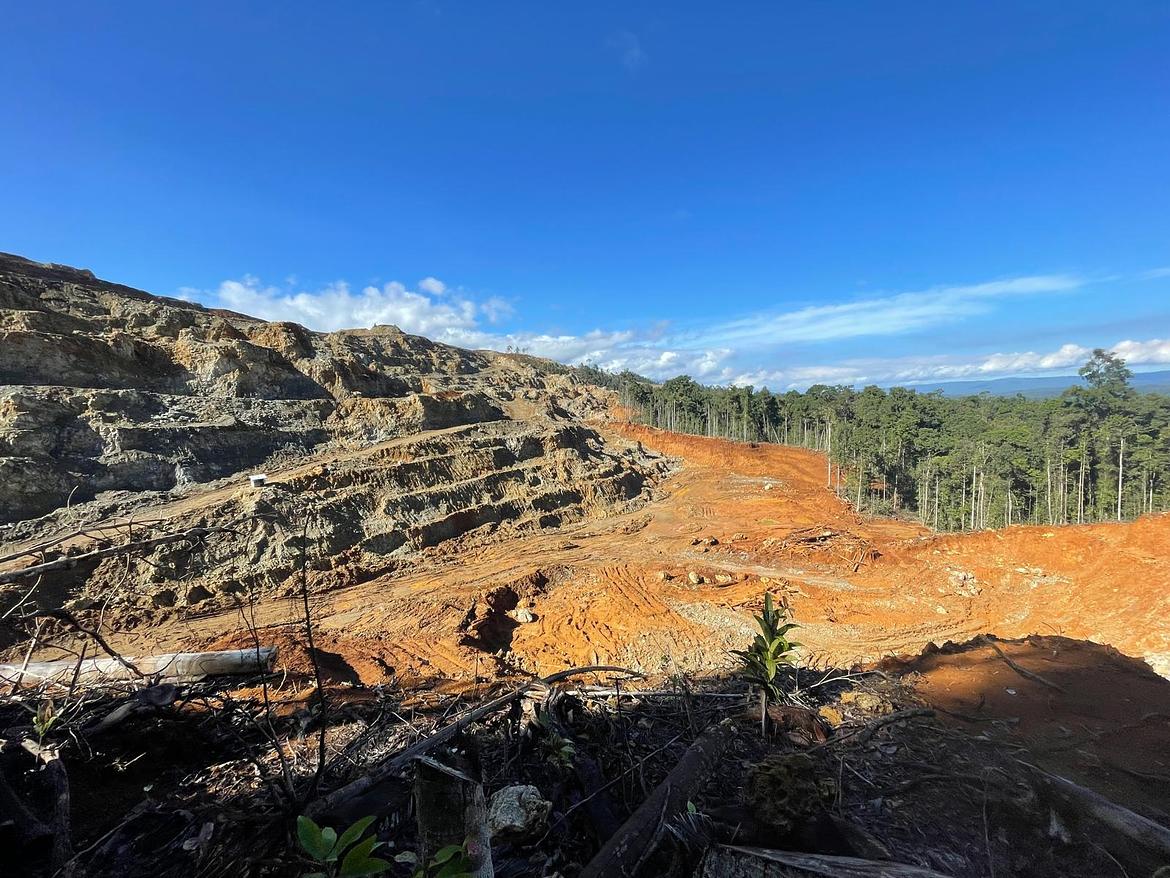
Banner image: Eramet’s Weda Bay Nickel mine on the territory of the uncontacted Forest Tobelo people in Halmahera, Indonesia. Image courtesy of Survival International.
FEEDBACK: Use this form to send a message to the author of this post. If you want to post a public comment, you can do that at the bottom of the page.
Cite this article
Hans Nicholas Jong (2026). Indonesia leads global tally of abuses linked to Chinese transition-mineral investments. Mongabay Conservation news. DOI: https://doi.org/10.66709/news-326494

