


With Virginia’s Aug. 4 primaries in the rearview mirror, the ballot is set in one of the nation’s most competitive congressional districts.
In the state’s second congressional district, Republican incumbent Jen Kiggans will fight to hold her seat against former U.S. Rep. Elaine Luria in a district recently reshaped to include Virginia Beach, Hampton Roads, and parts of Norfolk. The Cook Political Report describes VA-2 as a swing seat.
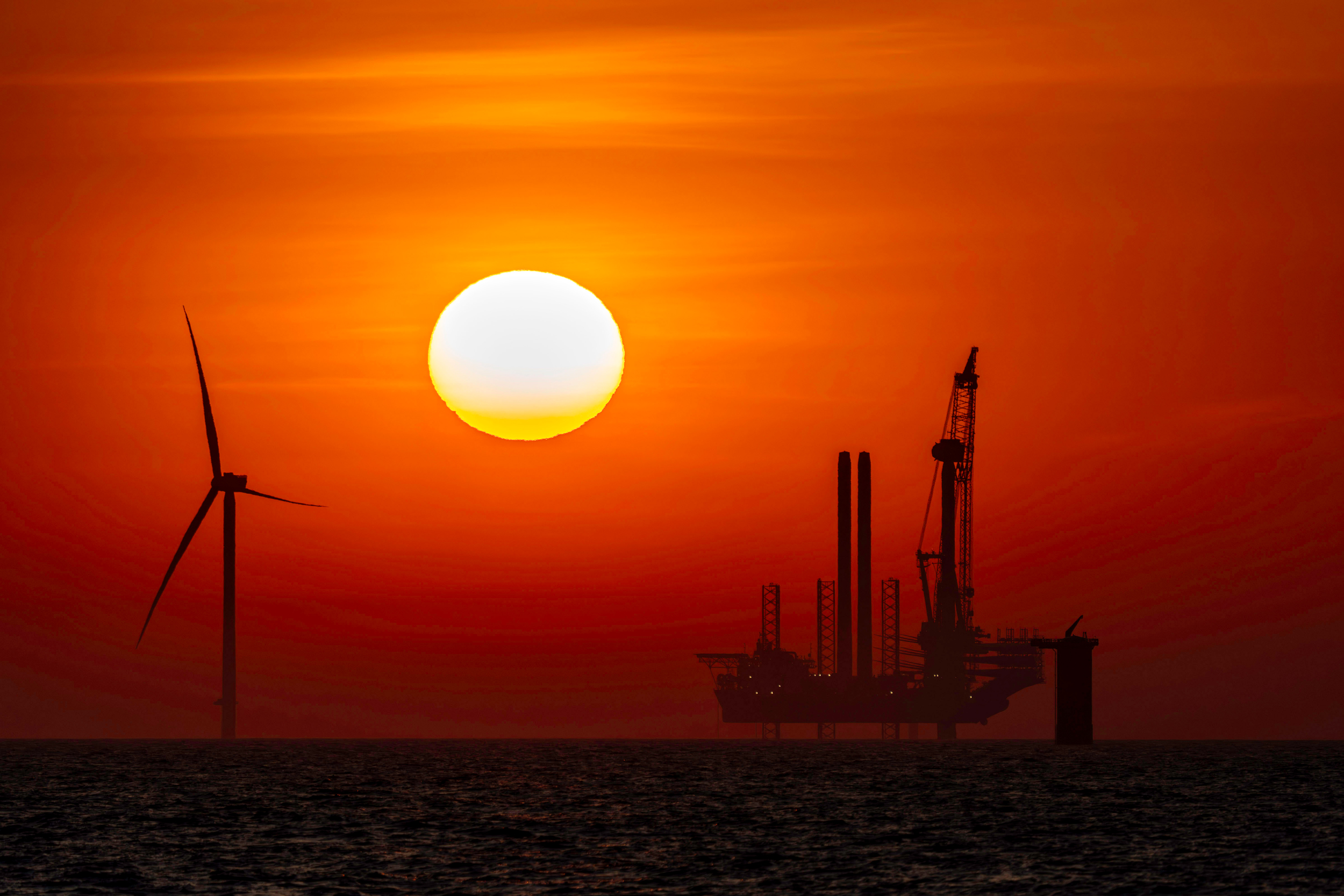
In recent years, the area has faced severe blue-sky flooding and land subsidence from storm surges and extreme weather. It’s also adjacent to the Coastal Virginia Offshore Wind (CVOW) project, projected to power 660,000 homes once complete, according to operator Dominion Energy.
“We are undoubtedly one of the most impacted communities in the United States when it comes to climate change impacts,” Jay Ford, the Chesapeake Bay Foundation’s Virginia policy manager, said.
Since both Luria and Kiggans come from Navy backgrounds, reflective of the area’s proximity to the sprawling Naval Station Norfolk, their positions on ongoing offshore wind projects, coastal mining and flooding concerns could influence the district’s voters, said John Kotcher, the director of George Mason University’s Center for Climate Change Communication.
“When we actually experimentally tested and showed voters different political candidates and isolated the effect of being pro-climate or not even mentioning climate at all, they found that on the whole, it’s a vote winner,” Kotcher said.
The George Mason Center for Climate Change Communication, in collaboration with the Yale Program on Climate Change Communication, found that 55 percent of people in Virginia’s second congressional district think global warming affects flooding. With this, 51 percent say they support building wind farms in the area, while offshore drilling remains a polarized topic in the district.
Kotcher and his team also found that two-thirds of voters in VA-2 feel climate change impacts their home utility bills and 51 percent believe it is affecting the cost of home insurance.
Energy concerns and bolstering the economy are top of voters’ minds, Kotcher said, and are a mainstay in both candidates’ platforms and track record.
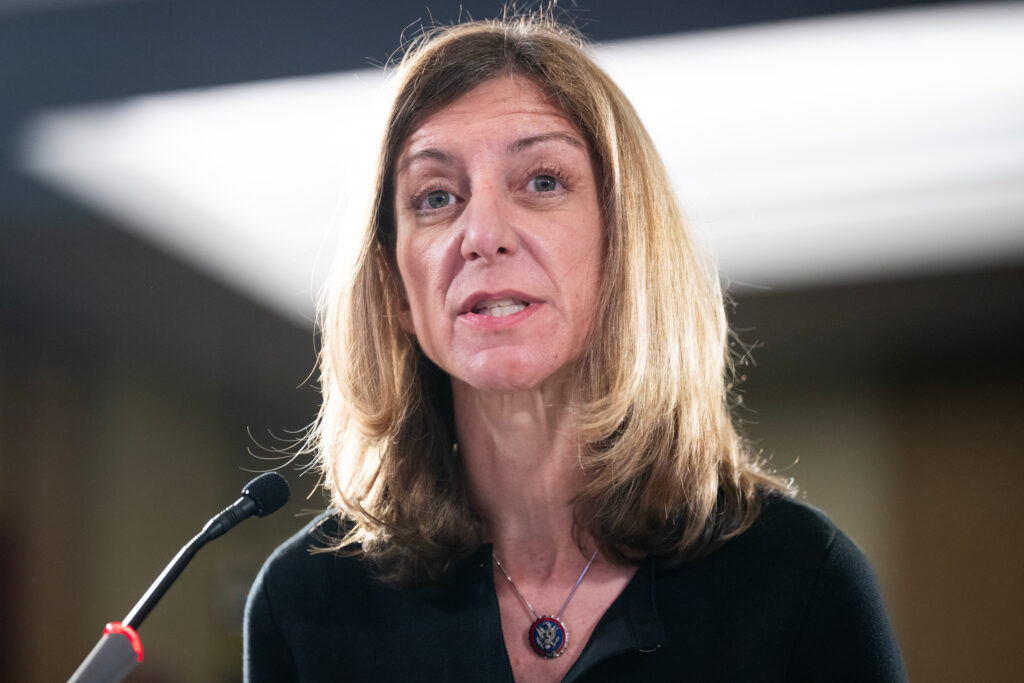
Luria, who held the seat from 2019 to 2023, told Inside Climate News that climate change poses both an economic and national security risk to the region because of Hampton Roads’ reliance on the Chesapeake Bay and rising energy prices across the state.
“When I’m elected again I’ll continue to lead efforts to combat the economic and national security impacts of climate change on our local community, invest in energy projects that create jobs and lower prices, and protect our clean air and water,” she said in a statement to Inside Climate News.
In 2021, Luria launched the congressional Offshore Wind Caucus to improve and invest in offshore wind technology and its workforce. She has voiced strong support for the CVOW project, the largest offshore wind project in the United States, located off the shore of Hampton Roads. Luria has said in the past that she supports the CVOW for clean, renewable energy, because it will lower energy costs, and continue to create good-paying jobs in the region.
Luria was a member of the New Democrat Coalition Climate Change Task Force that strongly opposed offshore drilling practices. She previously voted in favor of the Coastal and Marine Economies Protection Act in 2019 to block new offshore drilling in the Atlantic and Pacific coasts.
Like Luria, Kiggans has supported the construction of the CVOW because it will create local jobs and provide critical power grid upgrades for the Naval Air Station Oceana in Virginia Beach.
On her campaign website, Kiggans said she supports “common-sense solutions regardless of party that will help us ensure the health and prosperity of our treasured natural resources.” Her campaign did not provide a comment ahead of publication.
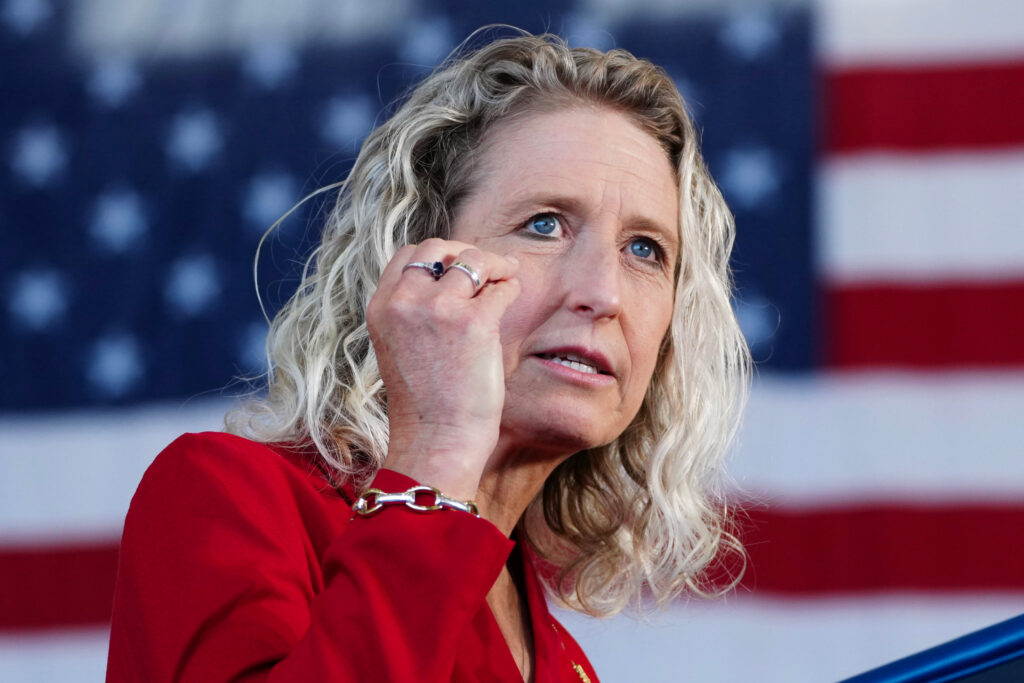
Trump attempted to pause construction on the CVOW in January, and in response Kiggans joined a group of House Republicans to send a letter denouncing the move and demanding an explanation from the administration rooted in fact.
Luria told the Associated Press that Kiggans’ attempts to advocate for offshore wind projects to the Trump administration “did nothing” and has been vocal against Kiggans’ actions to protect the CVOW, saying the letter was futile against the administration’s actions.
In September 2024, Kiggans introduced the Bolstering Ecosystems Against Coastal Harm (BEACH) Act, which “aims to protect Virginia’s coastline by approving new, expanded maps under the Coastal Barrier Resources Act (CBRA).” The bill passed the House unanimously. Another bill that sought to expand the National Flood Insurance Program failed to pass through committee.
Kiggans has yet to openly criticize the Trump administration’s most recent plans for coastal mining, but she has prioritized resilience projects and studies.
“Jen Kiggins is probably not going to win over too many votes by being soft on her opposition to offshore drilling,” Kotcher said.
The League of Conservation Voters gave Kiggans an 11 percent lifetime record of pro-environment votes in Congress. She has only had one pro-environment vote in the House this year, according to the organization, and she is currently endorsed by the ClearPath Action Fund, an organization that supports conservative lawmakers to push “conservative policies to accelerate American energy innovation.”
This story is funded by readers like you.
Our nonprofit newsroom provides award-winning climate coverage free of charge and advertising. We rely on donations from readers like you to keep going. Please donate now to support our work.
Luria has been endorsed by the League of Conservation Voters and has a 97 percent lifetime score from the organization. She only had three anti-environment votes in her tenure in the House, according to the League of Conservation Voters, and has secured endorsements in the past from Sierra Club and the BlueGreen Alliance. The two groups have yet to publicly endorse her campaign this election cycle.
Other local organizations have also highlighted issues they want the candidates to address.
Leaders at the Elizabeth River Project, a nonprofit dedicated to restoring the health of the Elizabeth River flowing near Hampton Roads, cannot formally endorse a candidate in the race because they are a 501(c)(3) organization, but hope the winning candidate will direct attention to the preservation of the Hampton Roads ecosystem as flooding and land subsidence continue to worsen.
“It’s a resource that we all need to take care of, and that goes to our residents, our local business, our military, and our legislators at the you know city, state, and federal levels,” said Lacy Shirey, the organization’s executive director.
Along with educational programs, the Elizabeth River Project also helps construct living shorelines on residential properties to give homeowners resilient methods to filter water, increase native plant populations and mitigate erosion. For that, they often rely on federal grants and contracts with local governments.
Hampton Roads and the Norfolk area have a relationship with the water unlike any other contested congressional districts this election cycle, said Ford. The district’s reliance on the Chesapeake Bay for aquaculture and its potential for offshore wind projects are key priorities that Ford and the Chesapeake Bay Foundation want to see considered.
“As we look to the congressional races, we hope that both of the candidates are taking that issue extremely seriously, as it could have tremendous economic impacts on our clean water industries,” Ford said.
The Chesapeake Bay Foundation wants to see Virginia transition to renewable energy to bolster the state’s already-stressed energy grid, and opposes seabed mining proposals that could have impacts on their aquaculture industry.
Both Shirey and Ford highlighted community concerns around potential federal removals of oyster reef protections that would open the bay to harvesting the population of oysters they fought for decades to restore.
“They have a huge benefit both to the water quality as well as the economic development side, and we are extremely nervous about this proposal to open up what has really become kind of a community asset in helping clean up people’s waters and drive the economy,” Ford said. “We hope that’s something that gets lifted up during this congressional campaign, and it’s something we’ll certainly be looking to the next member to show leadership on.”
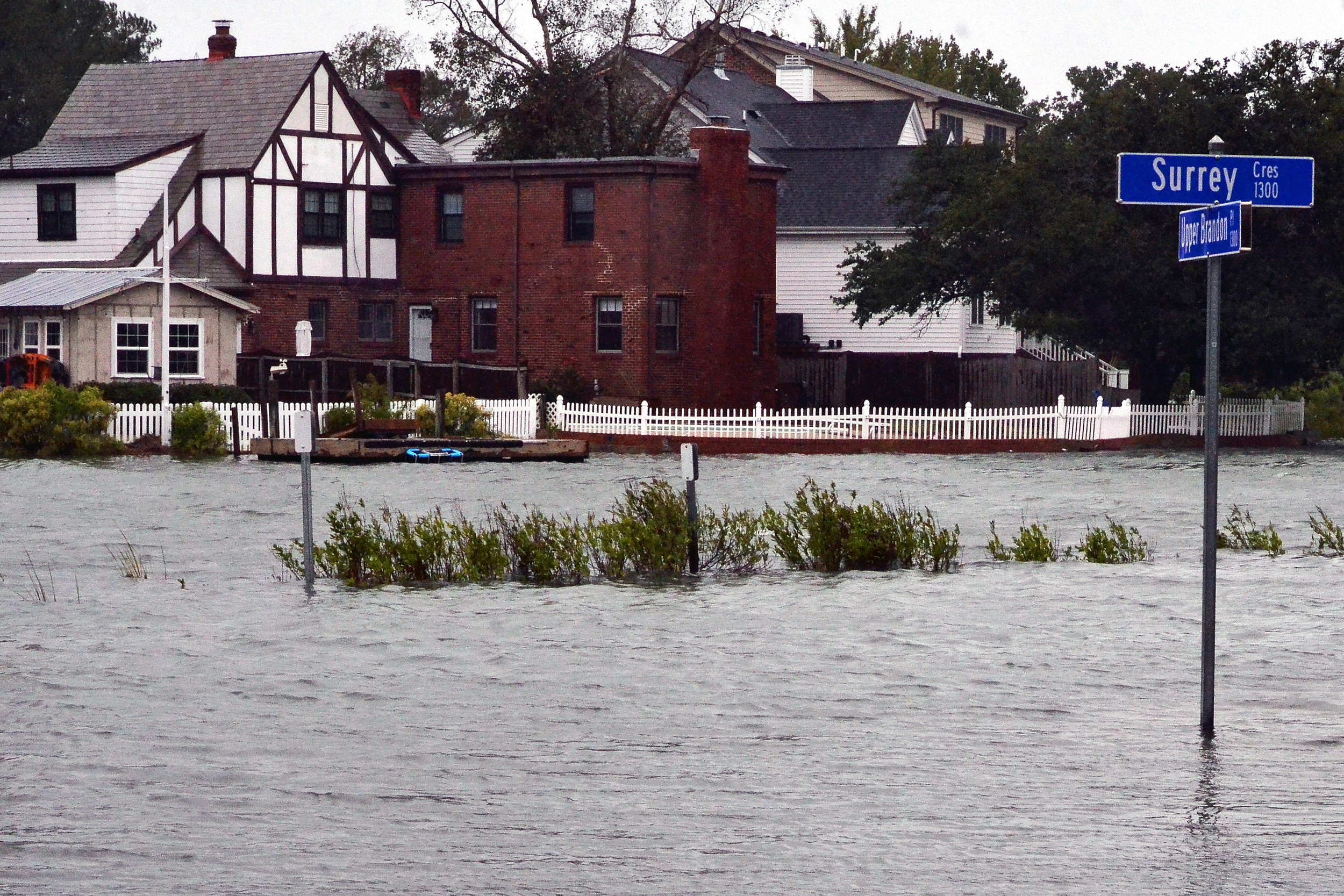
Flood prevention remains a priority for the district as more severe storms hit their coast, Ford said. Storms, such as one on Aug. 4 that caused flash flooding, continue to take their city by surprise. Ford recounted seeing cars flood, people on kayaks at road intersections and even citizens jet skiing through their own streets.
“What we hear from partners, from local government to state agencies to other NGOs to just the average citizens, is we have to do something about this flooding,” Ford said. “The state has committed significant resources, but we are absolutely looking to the federal government and whoever the next member of Congress is to be a national leader on this.”
About This Story
Perhaps you noticed: This story, like all the news we publish, is free to read. That’s because Inside Climate News is a 501c3 nonprofit organization. We do not charge a subscription fee, lock our news behind a paywall, or clutter our website with ads. We make our news on climate and the environment freely available to you and anyone who wants it.
That’s not all. We also share our news for free with scores of other media organizations around the country. Many of them can’t afford to do environmental journalism of their own. We’ve built bureaus from coast to coast to report local stories, collaborate with local newsrooms and co-publish articles so that this vital work is shared as widely as possible.
Two of us launched ICN in 2007. Six years later we earned a Pulitzer Prize for National Reporting, and now we run the oldest and largest dedicated climate newsroom in the nation. We tell the story in all its complexity. We hold polluters accountable. We expose environmental injustice. We debunk misinformation. We scrutinize solutions and inspire action.
Donations from readers like you fund every aspect of what we do. If you don’t already, will you support our ongoing work, our reporting on the biggest crisis facing our planet, and help us reach even more readers in more places?
Please take a moment to make a tax-deductible donation. Every one of them makes a difference.
Thank you,

Fellow
Avril Silva is an award-winning journalist and an Outrider fellow at Inside Climate News. She has experience covering environmental and public health policy and is interested in pursuing investigative political journalism. She is currently pursuing a master’s at NYU’s Science, Health, and Environmental Reporting program. You can find more of her work on the New York Times, CBS News, POLITICO’s E&E News, and more.
